It seems like more and more people are looking at properties outside the big cities these days, especially in Victoria. And when you see listings for rural properties for sale Victoria under $200K, it really makes you stop and think. This price point, once considered quite low for anything with land, is suddenly looking like a smart move for a lot of folks.
Why Rural Properties for Sale Victoria Under $200K Are Gaining Attention
What’s driving this interest? Well, a few things. For starters, the dream of owning a bit of land, maybe with a small house or even just space to breathe, is really appealing. It’s not just about escaping the city hustle; it’s about a different way of life. Think quieter streets, more stars at night, and maybe even the chance to grow your own veggies.
Here are some reasons why these affordable rural spots are becoming hot property:
- Affordability: Plain and simple, $200K doesn’t get you much in the way of city housing these days. Rural properties offer a chance to get more for your money, whether that’s land size, a more solid structure, or just a lower overall price tag.
- Lifestyle Shift: Post-pandemic, many have re-evaluated what’s important. The flexibility of remote work means you don’t always have to be tied to a city office. This opens up possibilities for living further afield.
- Investment Potential: While not always the primary driver, there’s a growing recognition that regional areas can offer solid investment returns as more people seek out these lifestyle changes.
- Community Feel: Smaller towns and rural areas often have a stronger sense of community, something many people miss in larger urban centres.
The idea of owning a property with some acreage, even if it’s a modest amount, for under $200,000 is a significant draw. It represents an accessible entry point into property ownership that was previously out of reach for many in more developed areas.
Of course, these properties aren’t always going to be move-in-ready mansions. You might be looking at smaller homes, older structures needing some TLC, or land parcels that require building from scratch. But the core appeal is the opportunity to own something tangible, something with potential, at a price that feels achievable.
Understanding the Appeal of Affordable Rural Living in Victoria
It’s no surprise that properties in Victoria for under $200,000 are catching people’s eyes. For many, the idea of escaping the city hustle for a quieter life is really appealing. Think more space, cleaner air, and a slower pace – all without breaking the bank.
What’s driving this interest? Well, a few things, really. Firstly, the cost of living in major cities keeps climbing, making it tough for people to get a foothold on the property ladder. Affordable rural areas offer a genuine chance to own your own piece of land or a home. Plus, with more people working remotely these days, the need to be right in the city centre has faded for some. This opens up possibilities to live further out and still keep your job.
Here’s a bit of what draws people to these affordable rural spots:
- More Bang for Your Buck: You can often get more land or a larger house for your money compared to urban areas.
- Peace and Quiet: Escaping the constant noise and traffic of the city is a big draw for many.
- Connection to Nature: Being closer to natural landscapes, wildlife, and outdoor activities is a major plus.
- Community Feel: Smaller towns can offer a stronger sense of community and neighbourly connection.
Of course, it’s not all sunshine and roses. You might be further from certain services or need to travel more for shopping or work. But for those looking for a different lifestyle, the benefits often outweigh the drawbacks.
The dream of owning a property, even a small one, is within reach for more people when looking at regional Victoria. It’s about finding a balance between affordability and the lifestyle you want, and for many, that balance is found away from the city limits.
What to Expect from Rural Properties for Sale Victoria Under $200K
Finding a rural property in Victoria for under $200,000 means you’re likely looking at a few specific scenarios. These places often aren’t your picture-perfect, move-in-ready dream homes. Instead, think of them as opportunities, perhaps needing a bit of work or located a fair distance from major towns. You might find smaller homes, older cottages, or even vacant land where you’d need to build. Don’t expect sprawling estates or brand-new constructions at this price point.
Here’s a breakdown of what you might encounter:
- Property Condition: Many properties in this range will require some level of renovation or updating. This could be anything from cosmetic fixes like painting and new flooring to more significant work, such as roof repairs, plumbing, or electrical upgrades. It’s wise to factor in the cost and time for these improvements.
- Location: Properties under $200K are often situated further from urban centres. This means longer commutes if you work in a city, and potentially fewer local amenities like shops, schools, and healthcare services. However, this distance is often what makes them more affordable.
- Size and Features: You’ll likely be looking at smaller land parcels compared to higher-priced rural properties. The homes themselves might be more modest in size, with fewer bedrooms or bathrooms. Features like established gardens, extensive shedding, or outbuildings might be limited or in need of repair.
- Infrastructure: Check the services available. Some remote properties might rely on tank water, septic systems, or have limited internet connectivity. Understanding these limitations is key before you buy.
When you’re looking at properties under $200,000, it’s important to be realistic about what you’re getting. These aren’t usually the properties that are advertised with glossy photos and perfect staging. They often represent a chance to get a foot in the door of rural living, but it usually comes with a bit of a trade-off, whether that’s location, condition, or size. A thorough inspection is absolutely vital.
Consider this a typical example of what you might find:
| Feature | Description |
| Price Range | $120,000 – $195,000 |
| Dwelling Type | Older cottage, small farmhouse, or vacant land |
| Condition | May require renovations or updates |
| Land Size | Typically 0.5 to 2 acres |
| Distance to Town | 30+ minutes from regional centres |
| Services | May include tank water, septic systems |
Key Locations to Find Rural Properties for Sale Victoria Under $200K
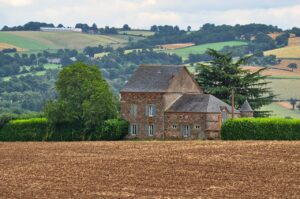
When you’re on the hunt for rural properties for sale Victoria under $200K, it pays to know where to look. While the dream of owning a slice of the country might seem out of reach in some areas, there are definitely pockets where affordability still exists. These regions often require a bit more travel from the major city centres, but they can offer a genuine rural lifestyle without the hefty price tag.
Think about areas that are a few hours’ drive from Melbourne. Gippsland, for instance, has many smaller towns and surrounding rural land that can fall into this price bracket. Further west, areas towards the Grampians or even parts of the Wimmera region might surprise you with their offerings. It’s not always about the big names; sometimes, the smaller, less-talked-about towns hold the best value.
Here are some general areas to start your search:
- Gippsland: Look at towns east of Warragul, extending towards Sale. You might find small farms, lifestyle blocks, or older homes on larger plots.
- Wimmera Mallee: Consider towns north-west of Ballarat. These areas often have larger land parcels available at lower price points.
- South Gippsland: While some parts are quite popular, further inland from the coast can reveal more affordable options.
- Pyrenees Region: This area, known for its wineries, also has smaller rural communities where properties might be within budget.
It’s important to remember that ‘rural’ can mean different things. You might find a small cottage needing renovation, a vacant block of land, or even a tiny home setup. The key is to be flexible with your expectations and open to exploring regions that aren’t the first ones that come to mind.
When looking at properties in this price range, be prepared for them to be further from major amenities. This often means a longer drive to shops, schools, and healthcare services. It’s a trade-off for the lower cost and the peace and quiet. Make sure you’re comfortable with the distance and the lifestyle it entails before committing.
Don’t forget to check out listings in areas like the Latrobe Valley, which has seen some regeneration efforts and might present opportunities. Also, keep an eye on regional centres that are growing but still offer a lower cost of living compared to the capital. You might find that a property just outside a popular regional town is significantly cheaper. For those interested in urban living but on a tight budget, there are even apartments and units for sale in Melbourne under $200,000, though these are not rural.
Factors to Consider Before Buying Rural Land or Homes in Victoria
Buying a rural property in Victoria, especially on a tighter budget, means looking at things a bit differently than you would for a place in the suburbs. It’s not just about the house itself; you’ve got to think about the land, the services, and what life will actually be like out there.
First off, think about access. How easy is it to get to the property? Are the roads well-maintained, especially in bad weather? You don’t want to be stuck when it rains or snows. Also, consider how far you’ll be from essential services like shops, schools, and medical facilities. While the peace and quiet are a big draw, being too isolated can become a hassle.
Here are some key things to mull over:
- Water and Waste Management: Rural properties often rely on rainwater tanks or bores for water, and septic systems for waste. You’ll need to check the condition and capacity of these systems. Are the tanks clean? Is the septic system working properly and approved? You don’t want to be dealing with costly repairs or upgrades down the track.
- Power and Internet: Is there mains power connected? If not, are you looking at solar or generators? How reliable is the internet service in the area? This is becoming more important for work and staying connected.
- Land Suitability: If you’re planning on farming, gardening, or even just having a big backyard, check the soil type and topography. Is the land fertile? Is it prone to flooding? Are there any existing easements or restrictions on the land?
- Building Condition: For existing homes, get a thorough building inspection. Older rural homes might have issues like asbestos, rising damp, or structural problems that aren’t immediately obvious. Don’t skip this step; it could save you a fortune.
Remember that rural living often comes with more responsibility for your own infrastructure. Things that are usually handled by the council in a town, like water supply and waste disposal, are often your own responsibility out in the country. Factor in the ongoing maintenance and potential replacement costs for these systems when you’re looking at your budget.
Finally, think about the local environment. Are there any issues with pests, bushfire risk, or noise from nearby farms? Understanding these aspects will help you make a more informed decision and avoid any nasty surprises later on.
How to Assess Property Value and Potential Development Opportunities
When you’re looking at rural properties for sale Victoria under $200K, figuring out what it’s actually worth and what you could do with it down the track is pretty important. It’s not just about the price tag; it’s about the potential.
First off, get a feel for the local market. What are similar blocks of land or small homes selling for in the general area? Look at recent sales, not just what’s currently listed. Real estate websites can give you a starting point, but don’t rely on them solely. Think about factors like:
- Location: How far is it from towns, services, and major roads?
- Size and Shape: Is the block usable, or is it all steep hills and gullies?
- Access: Is there road access, or do you need to cross other people’s land?
- Services: Are water, electricity, and phone lines nearby, or will you need to connect them?
- Topography and Soil: Does the land lend itself to farming, building, or other uses?
For development potential, you’ll need to do some homework. Check with the local council about zoning regulations. What can you build there? Are there restrictions on the size or type of dwelling? Sometimes, a property might look like a bargain, but if you can’t build what you want or need, its value is limited.
Don’t forget to factor in the cost of any improvements. A cheap block of land might need a lot of work to make it habitable or developable. Get quotes for things like clearing, fencing, building a driveway, or connecting services. These costs can add up quickly and significantly impact the overall value proposition.
Consider the surrounding area too. Is it developing, or is it pretty static? Sometimes, a bit of foresight about future growth can help you spot opportunities others might miss. For example, if there’s a growing demand for holiday rentals in a nearby tourist spot, a small rural property could be a good investment if it’s suitable for that purpose.
Legal and Zoning Considerations for Rural Properties in Victoria
When you’re looking at rural properties for sale Victoria under $200K, it’s really important to get your head around the legal and zoning stuff. This isn’t like buying a house in the suburbs; there are often more layers to peel back.
First off, you need to know what the land is zoned for. Is it agricultural, residential, or something else entirely? This dictates what you can actually do with the property. For example, you might want to run a small business from home, but if the zoning doesn’t allow for it, you’re out of luck. It’s worth checking with the local council to understand the specific rules for the area you’re interested in. Some areas might have restrictions on building size, type, or even the number of dwellings allowed on a single block.
Here are a few things to keep in mind:
- Property Boundaries: Make sure you’re clear on exactly where the property lines are. Sometimes old fences aren’t in the right spot, and you don’t want any surprises down the track.
- Easements and Covenants: These are legal rights or restrictions that affect the land. An easement might allow a utility company access to part of your property, while a covenant could restrict certain types of development. You’ll find these details in the property title.
- Planning Schemes: Victoria has various planning schemes that apply to different regions. These outline how land can be used and developed. Understanding these schemes is key to avoiding future headaches.
It’s absolutely vital to get a copy of the title search and any relevant planning documents before you get too attached to a property. This will give you a clear picture of any legal encumbrances or restrictions that might impact your plans or the property’s value. For certain developments, you might need to look into VicSmart permits, which have specific criteria to qualify, like not being too close to residential land.
Don’t assume anything when it comes to rural land. What seems like a great deal on paper could have hidden legal complexities that make it unsuitable for your needs. Always do your homework and seek professional advice if you’re unsure about any aspect of the legal or zoning situation.
Financing Options for Rural Properties for Sale Victoria Under $200K
Finding the right finance for a rural property under $200K in Victoria can sometimes feel a bit different than securing a loan for a standard suburban home. Banks and lenders often have specific criteria for rural lending, especially for properties that might be a bit further out or have unique features.
It’s wise to get pre-approved for a loan early in your search. This gives you a clear budget and shows sellers you’re a serious buyer. When you’re looking at properties in this price range, you might find a mix of traditional homes and vacant land. Each can have slightly different financing requirements.
Here are some common financing avenues to explore:
- Traditional Home Loans: If the property has a habitable dwelling, you might qualify for a standard home loan. Lenders will assess your income, credit history, and the property’s value. They might be more cautious if the property is very remote or has significant acreage.
- Rural or Agricultural Loans: Some lenders specialise in rural finance. These loans can be more flexible regarding property size and intended use, whether it’s for hobby farming or just enjoying a rural lifestyle. They may consider the potential income-generating capacity of the land.
- Construction Loans: If you’re planning to build on vacant land, you’ll likely need a construction loan. These are typically disbursed in stages as the building progresses.
- Personal Loans or Bridging Finance: In some limited cases, for smaller amounts or as a short-term solution, personal loans might be an option, though interest rates are usually higher. Bridging finance can help if you need to buy a new property before selling your current one.
When discussing your needs with a lender, be prepared to provide details about the property’s location, size, any existing structures, and your intended use for it. Some lenders might require a valuation that specifically accounts for rural factors.
Securing finance for properties under $200K often requires a clear understanding of your financial position and the specific characteristics of the rural property. Don’t hesitate to shop around and compare offers from different financial institutions, including smaller regional banks or credit unions that might have a better grasp of local rural markets.
It’s also worth looking into government schemes or grants that might be available for first-home buyers or those looking to purchase in regional areas. These can sometimes provide a helpful boost to your deposit or reduce the overall loan amount. For those interested in very affordable rural options, you can explore rural properties for sale Victoria under $200K, that fall into even lower price brackets.
Common Challenges and Hidden Costs of Buying Rural Real Estate
Buying a rural property in Victoria for under $200K can seem like a dream, but it’s important to go in with your eyes wide open. There are definitely some hurdles and extra costs that can pop up, things you might not even think about if you’re used to city living.
One of the biggest things is access. Is the property easily reachable all year round? Sometimes, rural roads can become impassable after heavy rain or snow, and you might need to budget for maintaining your own driveway or even upgrading it. Then there’s the whole issue of services. While city homes usually have mains water, sewer, and reliable electricity, rural properties often rely on:
- Water: You might have a private bore or rainwater tanks. This means you’ll need to consider pump maintenance, water quality testing, and potentially the cost of water cartage if supply is low.
- Sewerage: Septic systems are common. These require regular pumping and maintenance, which is an ongoing expense.
- Power: Some remote properties might not be connected to the grid, meaning you’d need to look at solar power or generators, which are significant upfront investments.
- Internet & Phone: Reliable mobile reception and internet can be patchy in rural areas. You might need to explore satellite internet options, which can be slower and more expensive.
Don’t underestimate the cost of upkeep and repairs. Older rural homes, especially those at the lower end of the price spectrum, might need more work than you anticipate. Think about things like:
- Structural Issues: Foundations, roofing, and pest damage can be more prevalent in older buildings.
- Outbuildings: Sheds, fences, and other structures might be in disrepair and require significant investment to fix.
- Land Management: Clearing land, managing weeds, or dealing with erosion can be time-consuming and costly.
Here’s a quick look at some potential extra costs:
| Item | Estimated Cost Range (AUD) | Notes |
| Septic Tank Pumping | $300 – $600 annually | Depends on tank size and usage |
| Water Tank Cleaning | $200 – $500 annually | Or as needed |
| Bore Pump Maintenance | $100 – $400 annually | Plus potential repair costs |
| Road Maintenance (private) | Variable | Depending on length and condition |
| Pest Control | $200 – $500 annually | For termites, rodents, etc. |
| Council Rates | Varies by Shire | Check local rates for rural properties |
It’s also worth remembering that the distance from amenities like hospitals, schools, and major shopping centres can add to your regular expenses, particularly in terms of fuel and travel time. Factor these into your budget and lifestyle considerations.
10. Final Tips for Buyers Exploring Rural Properties for Sale Victoria Under $200K
So, you’ve been looking at rural properties Victoria under $200K price point has caught your eye. That’s great! It’s definitely possible to find a slice of country life without breaking the bank, but it does require a bit of savvy.
Before you put down any money, make sure you’ve done your homework. Think about what you really need versus what you’d like to have. Is it a place for weekend getaways, or are you planning to live there full-time? This will affect the kind of property you should be looking for.
Here are a few things to keep in mind:
- Visit the area at different times: Go during the week and on a weekend, day and night. Get a feel for the local atmosphere, noise levels, and how busy things get.
- Talk to locals: Neighbours can be a goldmine of information about the area, potential issues, and the general vibe of the community.
- Factor in ongoing costs: Beyond the purchase price, consider things like council rates, water access, septic systems (if applicable), and the cost of getting utilities connected or maintained.
Remember, properties in this price range might need some work. Don’t be put off by a bit of cosmetic updating, but be realistic about the costs and your ability to do it. A thorough inspection is non-negotiable – get a professional to check for any structural issues, pests, or problems with plumbing and electrical systems.
When looking at rural properties, especially those at the lower end of the market, it’s easy to get caught up in the dream of open space. However, it’s vital to remain grounded in practicalities. Understand the limitations of the land, the accessibility of services, and the potential for future development or even just basic maintenance. A clear head will serve you much better than starry eyes.
Consider the long-term picture. Will the property suit your needs in five or ten years? Are there opportunities for adding value down the line? Sometimes, a smaller, more affordable property with potential is a better investment than a property that’s already at its peak but costs more upfront.
Looking for a bargain on rural properties in Victoria under $200K? It’s totally doable! Just remember to check out the local area thoroughly and don’t be afraid to ask plenty of questions. Finding that perfect country escape is easier than you think. For more handy hints and to see what’s available, head over to our website today!
Frequently Asked Questions
Why are rural properties in Victoria under $200,000 becoming popular?
These properties are attracting attention because they offer a more affordable way to own land or a home outside the city. People are looking for a quieter lifestyle, more space, and a chance to get away from the hustle and bustle, all without a huge price tag.
What kind of rural properties can I expect to find in Victoria for under $200,000?
For this price, you might find smaller blocks of land, older homes needing some work, or properties in more remote areas. Think basic cabins, modest houses on decent-sized blocks, or just the land itself where you could build later. It’s important to manage your expectations about size and condition.
Are there specific areas in Victoria where I’m more likely to find cheap rural properties?
Generally, you’ll find more affordable options further away from major cities and popular tourist spots. Look into regions with lower population density or areas that are developing. Researching different shires and towns will help you discover these hidden gems.
What should I think about before buying a rural property in Victoria for under $200,000?
Consider things like how far it is from services like shops and hospitals, whether there’s reliable water and power, and what the internet connection is like. Also, think about how you’ll get there, especially if roads aren’t always in great shape. It’s a big lifestyle change, so be prepared.
What are the potential hidden costs when buying a cheap rural property?
Beyond the purchase price, watch out for costs like property maintenance, especially for older homes. You might need to invest in things like a septic system, water tanks, or improving access roads. Unexpected repairs can add up quickly, so have a buffer in your budget.
How can I make sure I’m getting good value for money with a rural property under $200,000?
Do your homework! Compare prices of similar properties in the area. Get a professional inspection to understand the condition of any buildings and the land. Think about the potential for future improvements or development, and if that adds to the value.