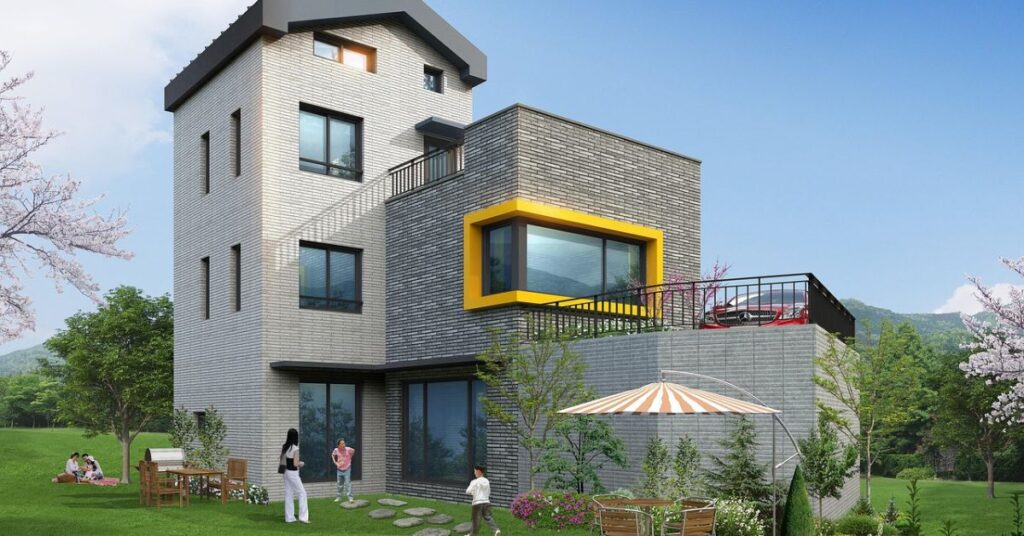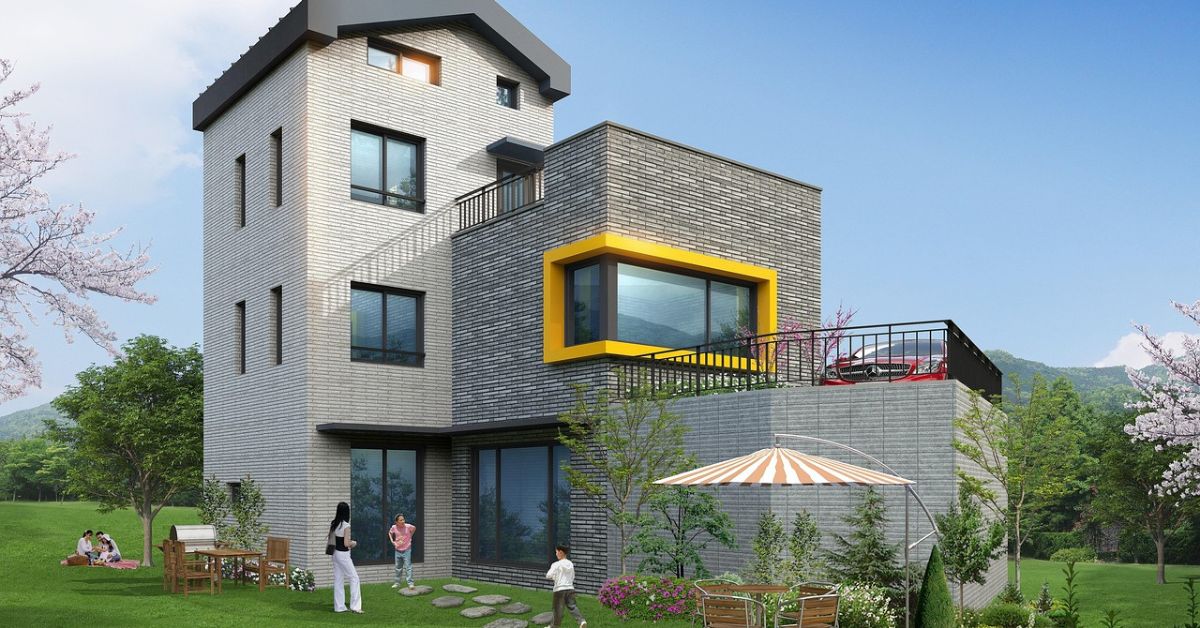
Thinking about putting your money into a townhouse in regional Australia? It’s a question a lot of people are asking right now, and honestly, it’s not a simple yes or no. Townhouses have really picked up steam lately, especially as standalone houses become harder to afford in many areas. They seem to offer this sweet spot – a bit more space than an apartment, but usually less upkeep and a lower price tag than a big family home.
Are Townhouses a Good Investment in Regional Australia?
Regional areas, in particular, are seeing a shift. As cities get more crowded and expensive, people are looking further afield for a good lifestyle and a place to call home. Townhouses fit this bill nicely. They can be found in developing suburbs, close to new infrastructure like schools and shops, and often have decent transport links. This makes them attractive to a range of buyers and renters, from young couples starting to older folks looking to downsize.
The appeal often comes down to a balance of affordability, lifestyle, and growth potential.
Here’s a quick look at why they’re gaining traction:
- Affordability: Generally, they’re cheaper to buy than a detached house in the same area, making them more accessible for first-time investors or those with a smaller budget.
- Lifestyle: They often come with less garden maintenance and are located in areas with good community facilities, which appeals to people who want convenience.
- Rental Demand: They can attract a good mix of tenants, from young professionals to small families, especially where housing is tight.
However, it’s not all smooth sailing. Like any investment, there are things to watch out for. The market in regional Australia isn’t one-size-fits-all. What works in one town might not work in another. You’ve got to do your homework on the specific location, the local economy, and what kind of people are moving there.
Investing in townhouses in regional Australia requires a keen eye for local trends and a solid understanding of what drives demand in those specific markets. It’s about finding that sweet spot where affordability meets lifestyle and growth potential, without overlooking the unique challenges each regional centre might present.
Understanding the Growing Demand for Townhouses in Regional Areas
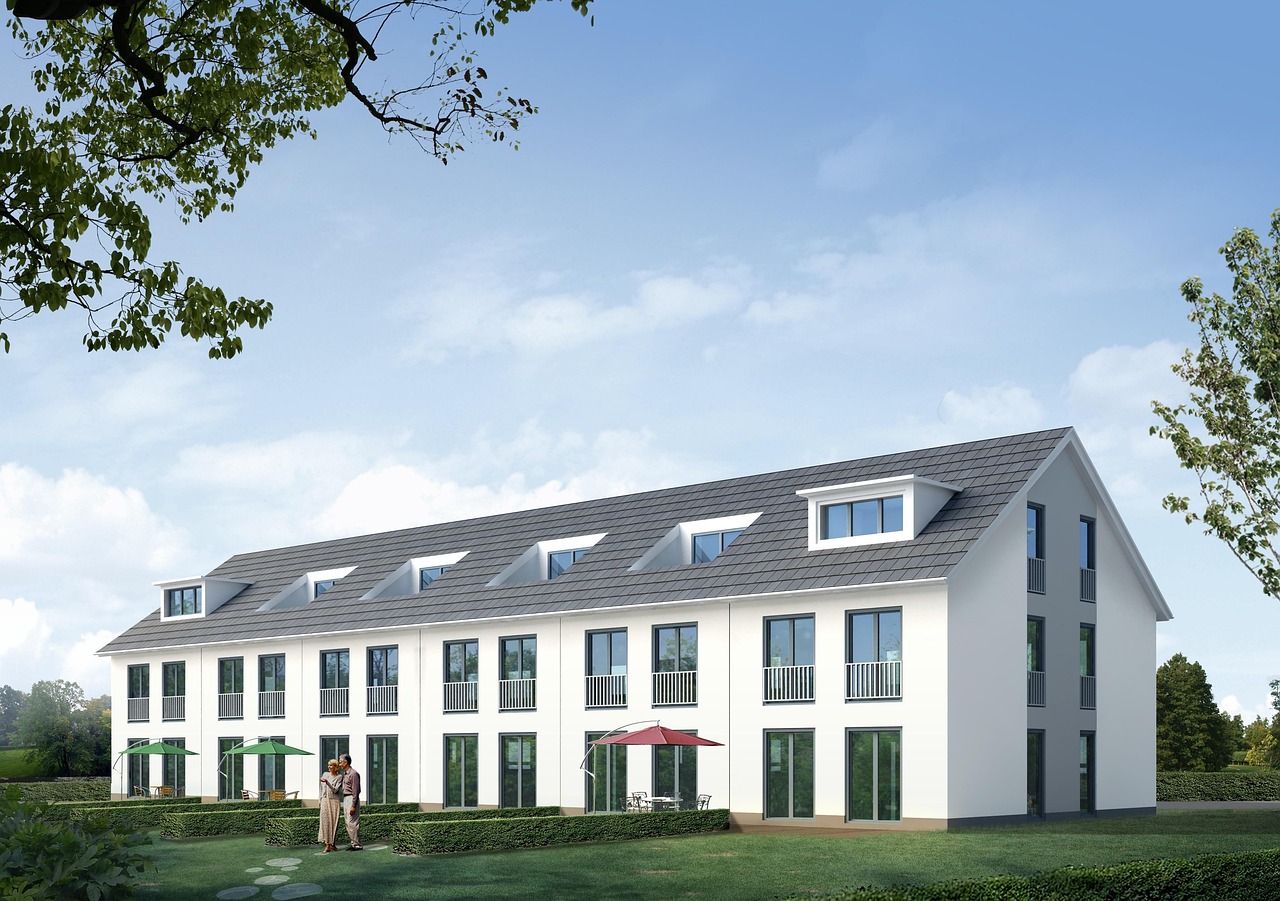
It’s becoming pretty clear that townhouses are no longer just a city thing. Across regional Australia, we’re seeing a real shift, with more people looking at townhouses as a solid housing option. This isn’t just a passing trend either; there are a few solid reasons why this demand is picking up steam.
The affordability factor is a big one. With house prices climbing, even in regional centres, a standalone house can be out of reach for many. Townhouses often present a more accessible entry point, allowing people to get into the property market or move to a desired area without breaking the bank. They offer a middle ground, giving you more space than a typical apartment but usually at a lower cost than a detached house.
Several factors are contributing to this growing interest:
- Lifestyle Changes: The pandemic really made people rethink their living situations. Many discovered they could work from home, and this opened up possibilities for living further from major city centres. A townhouse, often with a small yard or courtyard, offers that bit of outdoor space many people crave without the upkeep of a large garden.
- Low-Maintenance Living: Let’s be honest, not everyone wants to spend their weekends mowing lawns or doing major repairs. Townhouses generally come with less land and are often newer constructions, meaning less maintenance. This appeals to a wide range of buyers, from young professionals to downsizers.
- Proximity to Amenities: Developers are increasingly building townhouses in locations that offer good access to local shops, schools, public transport, and employment hubs. This convenience is a major drawcard for people looking for a practical lifestyle.
The shift towards townhouses in regional areas isn’t just about price; it’s about adapting to how people want to live now. They offer a practical, often more affordable, and lower-maintenance way to own property, fitting well with the changing needs of regional communities.
We’re seeing this demand play out in the market. While specific figures can vary greatly from town to town, the general trend indicates a strong appetite for this type of dwelling. It’s a smart move for developers to consider, and for buyers, it opens up new opportunities.
Are Townhouses a Good Investment Compared to Houses and Units?
When you’re looking at property investment, it’s natural to compare different types. Townhouses sit somewhere in the middle, offering a different set of pros and cons compared to standalone houses and apartments (often called units in Australia).
Townhouses often strike a good balance, providing more space than a typical unit but generally costing less upfront than a detached house. This middle-ground appeal is a big reason they’re becoming more popular, especially in regional areas where affordability is a key driver for both buyers and renters.
Let’s break down how they stack up:
- Houses: These are the traditional Aussie dream – your own block of land, full control over renovations, and usually more space. The land component is a big plus for long-term capital growth, as land tends to appreciate more steadily than buildings. However, houses typically come with a higher purchase price, more maintenance responsibilities (think lawns, fences, roofs), and potentially longer vacancy periods if the market slows.
- Units (Apartments): Units are generally the most affordable entry point. They often require less personal maintenance because common areas and building exteriors are managed by a body corporate. This can mean lower ongoing costs for the owner, and they can sometimes offer attractive rental yields, especially in well-located urban areas. The downsides? Less space, shared facilities, ongoing strata fees, and limited ability to make significant changes to the property.
- Townhouses: These properties usually offer multiple levels, a private entrance, and a small courtyard or backyard. They provide more privacy and space than a unit, often appealing to families or couples who want a bit more room without the full cost and upkeep of a house. They can be more affordable than houses in the same area and often have lower maintenance needs than a detached home, as some external upkeep might be covered by a body corporate or included in a community title. However, they do share walls, which means less privacy than a house, and they typically have a smaller land component, which might impact long-term capital growth compared to a house with significant land.
Here’s a quick look at the typical trade-offs:
| Feature | House | Unit (Apartment) | Townhouse |
| Purchase Price | Generally Highest | Generally Lowest | Mid-range |
| Land Component | Significant | Minimal (shared common areas) | Small to moderate |
| Privacy | Highest | Lowest | Moderate |
| Maintenance | The owner is responsible for all | Body corporate covers common areas | Often shared responsibility / lower personal |
| Renovation Scope | High | Low | Moderate |
| Target Tenant | Families, long-term residents | Singles, young professionals, students | Young families, couples, downsizers |
The choice between a house, unit, or townhouse really boils down to your investment goals and budget. If maximising land value and having complete control is your priority, a house might be best. For the lowest entry cost and minimal fuss, a unit could work. Townhouses, however, offer a compelling middle ground, often providing a better blend of space, affordability, and manageable upkeep, making them a strong contender in many regional markets.
When considering regional Australia, the affordability factor of townhouses becomes even more significant. They can open up investment opportunities in areas where standalone houses are becoming out of reach for many potential buyers and renters, potentially leading to stronger rental demand and more consistent occupancy rates.
Key Factors That Influence Townhouse Investment Returns in Regional Australia
When you’re looking at townhouses as an investment in regional Australia, a few things really make a difference to how well they perform. It’s not just about picking any townhouse; you’ve got to be a bit savvy about it.
First off, location, location, location still rings true, even for townhouses. Think about where people want to live. Areas with good job prospects, decent transport links, and access to local amenities like shops and schools tend to do better. If a regional town is growing, with new infrastructure planned, that’s usually a good sign for property values.
Then there’s the type of buyer or renter you’re aiming for. Townhouses often appeal to a mix of people – maybe young professionals who want something low-maintenance, or downsizers who are selling a bigger family home. Understanding who lives in the area and what they’re looking for in a property is pretty important.
Here are some other points to mull over:
- Developer Reputation: If you’re buying new or off-the-plan, who built it matters. A developer with a solid history usually means better quality construction and fewer headaches down the track. It’s worth doing a bit of digging here.
- Market Trends: Keep an eye on what’s happening in the broader property market. Are townhouses becoming more popular in that specific region? Sometimes, a surge in supply can affect prices, so knowing the local supply and demand is key.
- Future Planning: What are the local councils planning? New parks, schools, or public transport can boost property values. On the flip side, too much development without enough infrastructure can sometimes cause problems.
It’s also worth thinking about the balance between rental income and the property’s value going up over time. Some townhouses might give you a steady rental return, while others might see their value increase more significantly. It really depends on the specific location and the local market.
When considering a townhouse investment, it’s wise to look beyond just the property itself. The surrounding community, future development plans, and the general economic health of the regional area all play a part in determining its long-term success as an investment.
Finally, don’t forget about the practical stuff like body corporate fees if applicable, and how much land you actually own. These details can impact your overall return and how easy it is to sell later on.
Are Townhouses a Good Investment for Long-Term Capital Growth?
When we talk about long-term capital growth, we’re really looking at how much a property’s value might increase over many years. For townhouses in regional Australia, this can be a bit of a mixed bag, and it really depends on where you buy and what the local market is doing. Unlike standalone houses, where you own the land outright, with townhouses, you typically own less land. Since land value often drives long-term appreciation, this can sometimes mean slower growth compared to a house on a bigger block.
However, this isn’t always the case. Townhouses can still see solid capital growth, especially in regional areas that are experiencing significant population increases and infrastructure development. Think about towns that are becoming more popular with people moving from the big cities, or areas where new jobs are creating demand for housing. These factors can push up the value of all types of properties, including townhouses.
Here are some things that can influence how well a townhouse grows in value over time:
- Location: Proximity to town centres, transport links, and essential services is a big plus. Areas undergoing urban renewal or with good future planning often perform better.
- Market Demand: Is there a steady stream of buyers looking for this type of home? Townhouses can be popular with downsizers, young families, and first-home buyers, so understanding the local demographic is key.
- Oversupply: If a particular region has a lot of new townhouses being built all at once, it can put a cap on how much prices can rise. It’s worth checking out the suburbs projected for growth to get a sense of where demand might outstrip supply.
- Developer Reputation: For newer townhouses, the quality of construction can impact long-term value and maintenance costs.
While standalone houses often have the edge due to land ownership, townhouses can still be a sound investment for capital growth, particularly in well-chosen regional locations experiencing positive economic and demographic shifts. It’s about finding that sweet spot where demand is strong and supply is managed.
It’s also important to remember that the property market isn’t static. Trends change, and what looks good today might be different in ten years. So, while townhouses can offer a good balance of affordability and potential for growth, it’s wise to do your homework and consider your own investment timeline and risk tolerance.
Rental Yield Potential of Regional Townhouses Explained
When you’re looking at townhouses as an investment in regional Australia, figuring out the rental yield is pretty important. It’s basically the return you get on your investment from rent, before you even think about property value going up. For regional areas, this can be a bit different from the big cities.
Townhouses often sit in a sweet spot. They’re usually cheaper to buy than a standalone house, which means your initial outlay is less. This can lead to a decent rental yield because the rent you charge might be a good chunk of the purchase price. Plus, they tend to attract a good range of renters – think young couples, downsizers, or even small families who want a bit more space than an apartment but can’t quite stretch to a full-sized house.
Here’s a quick look at what influences rental yield:
- Location: Properties close to local shops, transport, or employment centres in regional towns usually command higher rents. People want convenience.
- Property Features: Modern finishes, a small yard, or good storage can make a townhouse more attractive to renters, allowing you to ask for a bit more per week.
- Local Market Conditions: If there’s a lot of demand for rentals in a particular regional town and not many properties available, you’re in a stronger position to get a good yield.
- Body Corporate Fees: If the townhouse is part of a strata scheme, those fees eat into your profit. You need to make sure the fees are reasonable for the services provided.
Let’s say you buy a townhouse for $400,000 and can rent it out for $400 per week. That’s $20,800 a year in rent. If your annual expenses (rates, insurance, body corporate, etc.) come to $8,000, your net rental income is $12,800. The gross rental yield would be ($20,800 / $400,000) * 100 = 5.2%. The net rental yield would be ($12,800 / $400,000) * 100 = 3.2%. These numbers can vary a lot depending on the specific regional market.
It’s easy to get caught up in the idea of property values soaring, but for many regional townhouses, a steady rental income can be the main drawcard. You’re looking for a property that’s not just going to sit empty, but one that tenants will happily pay for consistently.
While capital growth is great, a reliable rental income provides cash flow, which is often more predictable, especially in regional markets that might not see the rapid price jumps of capital cities. So, when you’re crunching the numbers, don’t just focus on how much the property might be worth in five years; pay close attention to what it can earn you each week, month, and year.
Risks and Challenges to Consider Before Investing in Townhouses
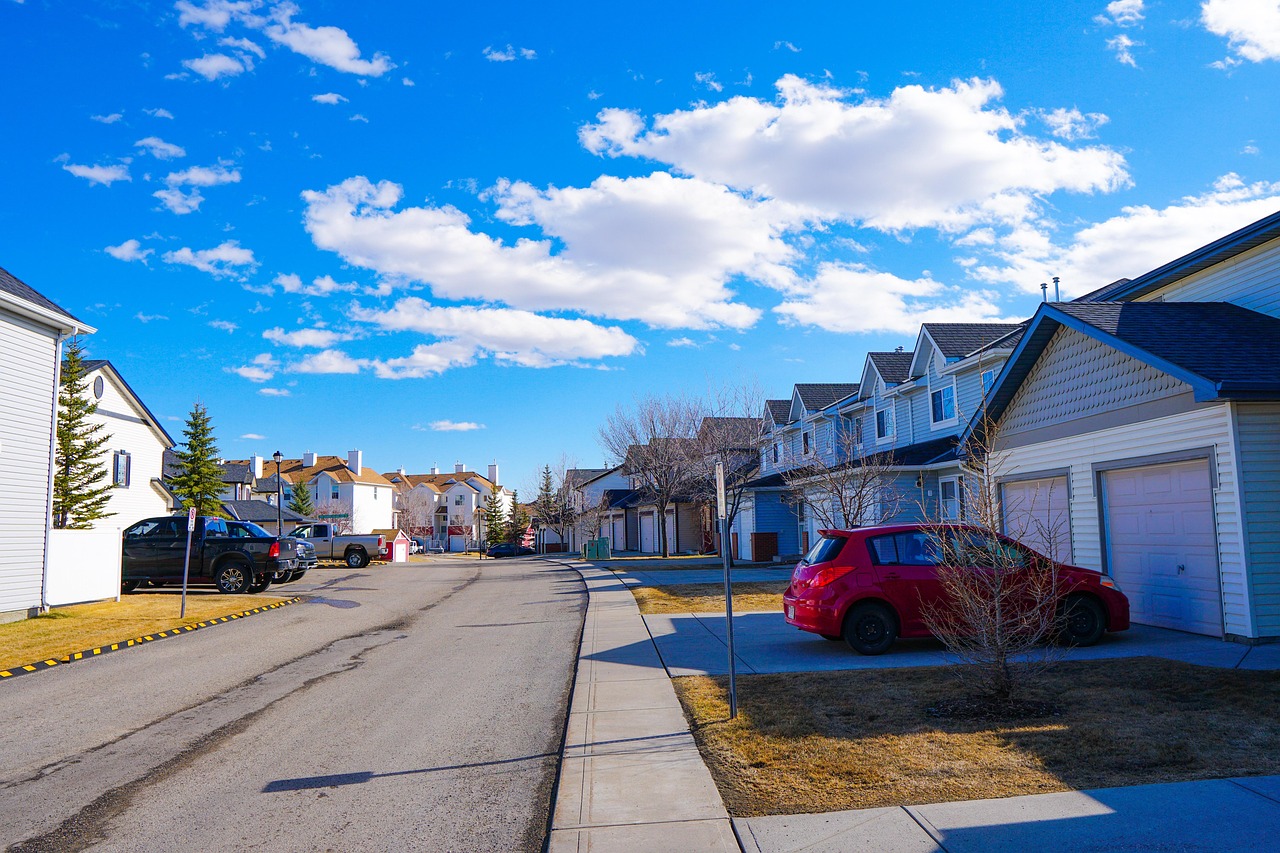
While townhouses can present a good opportunity, it’s not all smooth sailing. You’ve got to be aware of a few things that could trip you up.
One of the main things to watch out for is body corporate or strata fees. These are regular payments that cover the upkeep of shared areas and facilities. While they can be handy for maintenance, they do eat into your rental returns. It’s really important to check if these fees are reasonable for what you’re getting. Are the common areas well looked after? Are there any big upcoming expenses the body corporate is planning for?
Another point is the land component. With townhouses, you own less land compared to a standalone house. Land often goes up in value faster than the building itself, so owning less of it might mean slower capital growth over the long haul. It’s a trade-off for the lower entry price and easier maintenance.
Then there’s the market itself. In some regional areas, there might be a lot of new townhouse developments popping up. Too much supply can put a lid on how much your property grows in value and how much rent you can charge. You really need to get a feel for the local market – is there strong demand, or are there heaps of similar properties already there?
Finally, even though townhouses are getting more popular, some buyers still have their hearts set on a traditional house. This could make it a bit trickier to sell your townhouse quickly or get the top dollar you might be hoping for, especially if the market cools off.
It’s easy to get caught up in the excitement of a new property type, but a bit of caution goes a long way. Thinking through these potential downsides before you commit can save you a lot of headaches down the track. Don’t just look at the shiny new features; consider the ongoing costs and the long-term marketability.
Here are some specific things to keep an eye on:
- Body Corporate/Strata Fees: Understand what they cover and if they’re justified by the services provided. Look at the financial health of the body corporate. Are there any special levies planned?
- Limited Land Ownership: Consider how this might affect long-term capital appreciation compared to a detached home.
- Market Saturation: Research the local supply and demand for townhouses. Is the area already flooded with similar properties?
- Resale Appeal: While demand is growing, some buyers still prefer houses. Factor this into your exit strategy.
- Developer Reputation (for new builds): If buying off-the-plan, thoroughly vet the developer’s history to avoid construction issues or delays.
Final Verdict: Are Townhouses a Good Investment for Regional Buyers?
So, after all that, are townhouses a good Investment in Australia? The short answer is: it depends, but there’s definitely potential.
Townhouses offer a middle ground, bridging the gap between apartments and standalone houses. They’re often more affordable than houses, which is a big plus, especially when you’re looking outside the major cities. Plus, they tend to attract a good range of renters – think young professionals, couples, or even small families who want a bit more space than an apartment but can’t quite stretch to a full-sized house. This strong rental demand can mean decent yields.
However, it’s not all smooth sailing. You’ve got to be smart about where you buy. Location is still king, even in regional areas. Look for towns with growing populations, good job prospects, and decent infrastructure. Proximity to amenities like shops, schools, and transport links will always make a property more attractive. It’s also worth checking out the local council’s plans – new parks or transport can boost value, but too much development might not be a good thing.
Here are a few things to keep in mind:
- Rental Yield vs. Capital Growth: Decide what’s more important to you. Townhouses can offer a bit of both, but some areas might lean more towards one than the other. It’s a balancing act.
- Developer Reputation: If you’re buying off-the-plan, do your homework on the builder. You don’t want to end up with a shoddy build.
- Market Competition: Some regional areas might see a surge in townhouse developments. Keep an eye on supply and demand to avoid an oversupply situation that could hurt your returns.
While regional areas can sometimes offer higher rental returns, it’s important to remember that long-term capital growth might not be as strong as in major urban centres. A balanced approach to your investment strategy is often the most sensible path forward.
Ultimately, townhouses can be a smart investment in regional Australia if you do your homework and choose wisely. They’re becoming more popular, and for good reason. They offer a practical housing solution that appeals to a broad market. Just make sure you’re not just buying a townhouse, but buying the right townhouse in the right location. For a deeper dive into property investment strategies, this guide offers some useful insights.
So, are townhouses a smart buy for people looking in regional areas? After looking at all the details, it seems like they can be a pretty good deal. They often cost less than a house and can still give you a nice place to live or rent out. If you’re keen to learn more about property choices, head over to our website for all the latest tips and tricks.
Frequently Asked Questions
Are townhouses a good choice for investing in regional Australia?
Yes, townhouses can be a smart investment in regional Australia. They offer a good mix of affordability compared to houses and often have strong rental demand. Many people are looking for this type of home because it’s more affordable than a detached house but offers more space and a yard compared to an apartment.
What makes townhouses popular in regional areas?
Townhouses are becoming popular because they’re more affordable than houses, especially in areas where prices are going up. They also offer a good lifestyle, often being low-maintenance with a small yard, which appeals to people who don’t want the upkeep of a large property. Plus, they’re often built in convenient locations near shops and transport.
How do townhouses compare to houses and units for investment?
Townhouses sit in the middle. Houses usually offer better long-term growth because you own more land, but they cost more upfront. Units (apartments) can give you higher rental income, especially in city centres, but might offer less space and growth. Townhouses offer a balance – they’re generally cheaper than houses, provide more space than units, and attract a wide range of renters and buyers.
What are the main things to look for when investing in a regional townhouse?
Location is super important! Look for areas with growing populations, new infrastructure like schools and roads, and jobs nearby. Also, think about who you want to rent to or sell to – families, couples, or older people downsizing? Checking the builder’s reputation, if it’s a new property, is also a good idea.
Can townhouses provide good rental income in regional areas?
Generally, yes. Townhouses often attract steady rental demand because they fill a gap between expensive houses and smaller apartments. The amount of rent you can get depends a lot on the specific location, how many other townhouses are nearby, and the features of the property itself.
What are the potential downsides of investing in regional townhouses?
You need to be aware of a few things. Body corporate fees can reduce your profit. You also own less land compared to a house, which might mean slower growth in value over time. In some areas, there might be too many townhouses, which could make it harder to sell or get high rent. It’s always wise to do your homework on the local market.