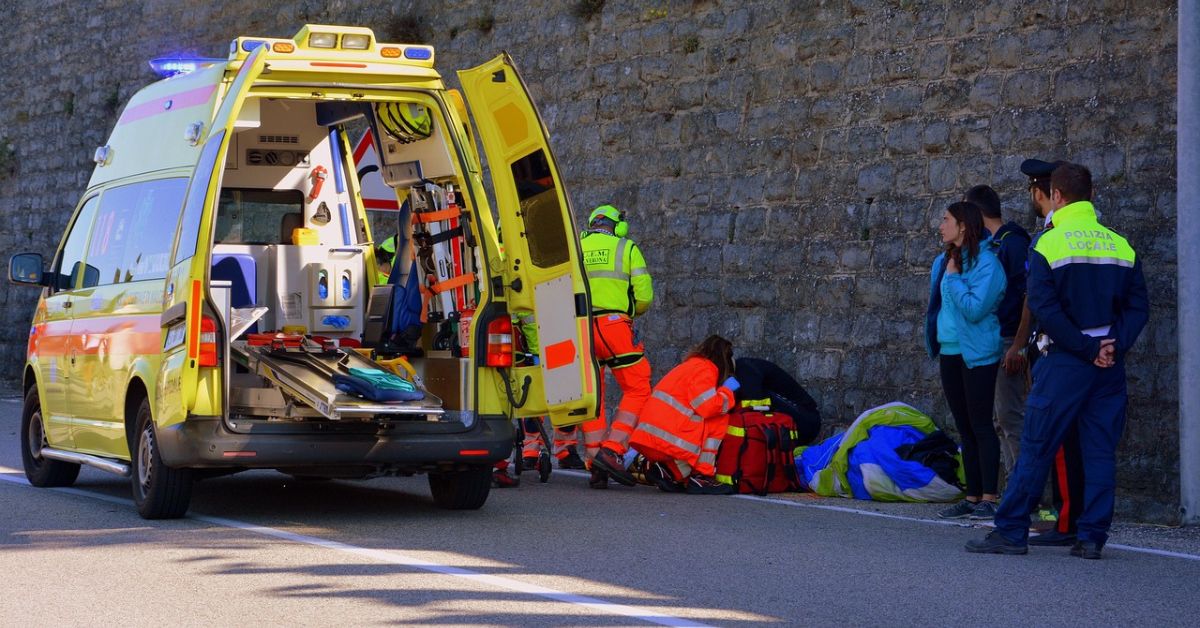
Look, nobody likes thinking about needing an ambulance. It’s usually a pretty stressful situation, and the last thing you want to worry about is a massive bill landing in your lap. In NSW, unlike some other states, Medicare doesn’t cover ambulance services. That means if you need a trip to the hospital via ambulance, you’re generally on the hook for the costs. And let me tell you, those costs can add up pretty quickly, especially if it’s a longer trip or requires a helicopter.
Why You Should Explore The Cheapest Ambulance Cover NSW
It’s really about peace of mind and avoiding unexpected financial shocks.
Here’s a quick look at what you might be facing without cover:
- Road Emergency: Could cost upwards of $873 for non-NSW residents.
- Fixed Wing Emergency: Similar to road, expect around $873.
- Helicopter Emergency: Also around $873, but this can vary.
These figures don’t even include the per-kilometre charges, which can really push the total up. For NSW residents, the government does chip in a bit, but there’s still a significant portion you’d have to pay.
Having some form of ambulance cover means you’re not caught out when you least expect it. It’s a small price to pay for knowing that help is there without the added worry of a hefty invoice.
Exploring the cheapest options available means you can get that protection without breaking the bank. It’s a smart move for anyone living in or travelling through NSW.
Understanding The Cost Of Ambulance Services In NSW: Why Cover Matters
When you’re in a bind, the last thing you want to worry about is how much an ambulance ride is going to cost. In New South Wales, unlike some other states, Medicare doesn’t cover ambulance services. This means if you need an ambulance, you’ll likely have to pay for it yourself unless you have specific cover.
For NSW residents, the call-out fee for an emergency road ambulance can be quite substantial. As of July 2025, this fee is set at $464. But that’s just the start. Depending on the distance travelled, additional charges can apply, pushing the total cost much higher. For non-NSW residents, these costs are even steeper, with emergency call-out fees starting at $873.
Here’s a quick look at potential costs:
- NSW Residents: Emergency road ambulance call-out fee starts at $464.
- Non-NSW Residents: Emergency road ambulance call-out fee starts at $873.
- Additional charges: Variable rates per kilometre can significantly increase the total bill.
These figures highlight why having some form of ambulance cover is a really good idea. It’s not just about emergency transport; sometimes, non-emergency transport is also needed, and that comes with its own set of costs.
Without adequate coverage, a sudden medical event could lead to unexpected and significant expenses. It’s a financial safety net that many people overlook until it’s too late.
Considering that ambulances responded to millions of incidents across Australia in a single year, it’s clear how many people rely on these services. Having ambulance cover can mean the difference between managing a stressful situation and facing a financial crisis on top of a medical one. It’s about peace of mind, knowing that help is available without adding a hefty bill to your worries. Exploring your options for the cheapest ambulance cover NSW is a sensible step to take.
What To Look For When Searching For The Cheapest Ambulance Cover NSW
When you’re on the hunt for the cheapest ambulance cover NSW, it’s not just about the price tag. You’ve got to look a bit closer at what’s actually included, and what’s not. Think of it like buying a car – the cheapest one might seem like a steal, but does it have the safety features you need? The same goes for ambulance cover.
First off, check if the cover is just for NSW residents or if it extends to interstate travel. If you’re a bit of a traveller, this is a big one. A sudden emergency in another state could leave you with a hefty bill if your cover is only local. Also, get clear on what counts as an ’emergency’. Some policies might have specific definitions, and you don’t want to be caught out thinking a situation is covered when the insurer sees it differently.
Here are a few key things to keep your eyes peeled for:
- Call-out fees: Does the policy cover just the transport, or does it include the initial call-out fee even if you don’t end up needing to be taken to the hospital? Some policies might only cover transport, leaving you to pay the fee for the paramedics attending.
- Type of transport: Most policies will cover road ambulances, but what about air or helicopter transport? These can be significantly more expensive, so it’s worth checking if they’re included, especially if you live in a regional area or are prone to activities where such transport might be needed.
- Waiting periods: While many ambulance cover policies have very short waiting periods, sometimes just a day or even less, it’s always wise to confirm this. You wouldn’t want to sign up and then have an incident occur before the waiting period is over.
- Non-emergency transport: Is this included? Sometimes you might need an ambulance for a planned procedure or transfer, and it’s good to know if your cover extends to these less urgent situations.
It’s also a good idea to see if there are any co-payments involved. While the goal is the cheapest cover, you still want to know the full extent of any out-of-pocket expenses you might face. Understanding these details upfront can save a lot of stress down the line. You can often find this information in the policy’s Product Disclosure Statement or by comparing private health insurance policies online.
Don’t forget to look at whether the cover is for recognised state-based providers, like NSW Ambulance, or if it extends to private providers too. The cheapest option might be the one that fits your specific needs best, so take the time to compare these details carefully. You might find that a slightly more expensive policy offers much better value if it covers more eventualities that are relevant to you.
Comparing The Top Providers Offering the Cheapest Ambulance Cover NSW Plans
Alright, so you’re on the hunt for the cheapest ambulance cover NSW. It’s a smart move, really. Nobody wants to be hit with a massive bill if they suddenly need an ambulance, and Medicare, well, it doesn’t really help with that side of things.
When you start looking around, you’ll see a few different ways providers offer this cover. Some do it as a standalone product, meaning it’s just ambulance cover and nothing else. Others bundle it into their bigger health insurance packages, like hospital or extras cover. It can get a bit confusing trying to figure out which way is actually going to save you the most cash.
Here’s a quick rundown of what you might find:
- Dedicated Ambulance Cover: These policies are specifically for ambulance services. They might be cheaper upfront, but you’re only getting that one type of cover.
- Hospital Cover with Ambulance: Many private health funds include ambulance cover as part of their hospital policies. You’ll need to check the specifics, as some might only cover emergency call-outs, while others might include non-emergency transport too.
- Extras Cover with Ambulance: Sometimes, ambulance cover is thrown into extras policies, which usually cover things like dental or physio. Again, the details matter here.
It’s not just about the price tag, though. You’ve got to look at what’s actually included. Does it cover you just in NSW, or Australia-wide? What about air and sea transport, or is it only road? These details can make a big difference to the value you get.
Remember, the ‘cheapest’ option isn’t always the best. You need to make sure the cover actually meets your needs for those unexpected moments. A policy that’s a few dollars more but covers more scenarios might be a better bet in the long run.
We’ll break down some of the common providers and what they generally offer in the next section, so you can start comparing apples with apples.
Stand-Alone Ambulance Cover Vs Bundled Cover: Which Gives The Cheapest Ambulance Cover NSW?
When you’re looking for ambulance cover in NSW, you’ll notice there are generally two main ways to get it: as a standalone product or as part of a larger health insurance package. Deciding between the two really comes down to what suits your needs and your wallet best.
Standalone ambulance cover is pretty straightforward. You pay a premium, and that’s it – your ambulance costs are covered. It’s a simple solution if ambulance services are your primary concern. On the other hand, bundled cover means ambulance benefits are included in a broader health insurance policy, often alongside extras like dental or optical cover. This can sometimes seem like a good deal because you’re getting multiple benefits for one price.
So, which one is cheaper? It’s not always a simple yes or no answer. Sometimes, a standalone policy might be cheaper if you don’t need any other health insurance extras. But if you’re already planning on getting extras cover anyway, bundling it might work out more cost-effectively. You’re essentially getting the ambulance cover thrown in, or at a reduced rate, as part of a package. It’s worth comparing the total cost of a bundled policy against the cost of a standalone ambulance policy plus any other separate extras cover you might need.
Here’s a quick look at what might influence your decision:
- Your existing health needs: Do you have other health needs that would benefit from extras cover, like regular dental check-ups or glasses?
- Policy inclusions: Check exactly what each type of cover includes. Does the bundled policy cover emergency and non-emergency services? Does the standalone policy have any limitations?
- Total cost: Add up the cost of a standalone ambulance policy and any other separate cover you need, then compare that to the total cost of a bundled policy.
It’s important to remember that even with coverage, you might still have out-of-pocket expenses depending on the specific policy and the ambulance service used. Always check the fine print.
For example, if you’re a young, healthy individual who rarely visits the doctor and doesn’t need extras like dental, a standalone ambulance policy might be your cheapest bet. However, if you’re a family with young children who need regular dental visits and you want peace of mind for ambulance emergencies, a bundled policy could offer better overall value. It really pays to compare extra health insurance options from different providers to see what fits your budget and health requirements.
Hidden Costs & Exclusions To Watch When Choosing The Cheapest Ambulance Cover NSW
So, you’re hunting for the cheapest ambulance cover NSW, which is smart thinking. But before you sign on the dotted line, let’s have a quick look at what might be lurking in the fine print. It’s not always as straightforward as it seems, and some policies have a few sneaky exclusions or extra costs that can catch you out.
It’s really important to know exactly what you’re paying for and what you’re not.
Here are some things to keep an eye on:
- Call-out fees: Some policies might cover the ambulance transport itself, but leave you to pay the initial call-out fee. This can be a significant chunk of the total cost, so check if your cover includes it.
- Distance charges: While NSW Ambulance does have a maximum charge for residents, some private policies might have their own limits or charge extra for longer distances, especially if it involves air or specialised transport.
- Type of transport: Does the cover only apply to road ambulances, or does it include air ambulance or helicopter services? If you live in a rural area or travel frequently, this could be a big deal.
- Interstate cover: If you plan on travelling outside of NSW, double-check if your policy extends to cover you in other states or territories. Ambulance services interstate can be surprisingly expensive if you’re not covered.
- Non-emergency services: Many policies focus on emergency call-outs. If you might need cover for planned, non-emergency transport (like for regular medical appointments), make sure your policy includes this.
Remember that even with a cover, there might be waiting periods before your policy becomes active. It’s also worth confirming if there are any co-payments or excess fees you’ll need to pay when you make a claim. Always read the policy document carefully to avoid any nasty surprises.
Here’s a quick look at potential costs you might encounter if you don’t have adequate cover (these are NSW Ambulance fees as of March 2025, and your private health insurance might cover some or all of these, depending on your policy):
| Service Type | Call-out Fee | Per Kilometre Rate | Maximum Charge (NSW Residents) |
| Road – Emergency | $445 | $4.02 | $7,299 |
| Road – Non-Emergency | $351 | $2.17 | $7,299 |
| Fixed Wing – Emergency | $445 | $4.02 | $7,299 |
| Helicopter – Emergency | $445 | $4.02 | $7,299 |
For non-NSW residents, the costs can be higher, and there’s no maximum charge cap, so cover is even more important if you’re visiting.
Tips To Make Sure You’re Actually Getting The Cheapest Ambulance Cover NSW For Your Situation
So, you’re on the hunt for the cheapest ambulance cover NSW, which is a smart move. But how do you actually make sure you’re not just getting a cheap policy, but the right cheap policy for you? It’s not just about the sticker price, you know.
First off, have a good think about your own circumstances. Do you travel a lot within NSW, or do you often head interstate? Some policies might be cheap, but only cover you within the state. If you’re a frequent traveller, you’ll want to check if your cover extends beyond NSW borders. It’s a bit like buying a phone plan – you need to see if it covers the areas you actually use it in.
Here are a few things to tick off your list:
- Interstate Coverage: Does the policy cover you if you need an ambulance while you’re visiting another state? This can be a big one, as costs can add up quickly outside of NSW.
- Emergency vs. Non-Emergency: Most policies focus on emergencies, but what if you need a non-emergency transport? Check the fine print to see if this is included, as definitions can vary.
- Call-Out Fees: Some policies might cover the ambulance trip but not the initial call-out fee. It’s worth clarifying if this is included, especially if you only need treatment at your home and not a trip to the hospital.
- Waiting Periods: While many ambulance covers have short or no waiting periods, it’s always good to confirm. You don’t want to be caught out if something happens right after you sign up.
It’s also worth looking at what’s not covered. Some policies might have limits on the type of transport, like air or sea ambulances, or might not cover services from private providers. You don’t want to find out later that your specific needs aren’t met.
Don’t just compare the weekly or monthly cost. Look at the total potential out-of-pocket expenses. Sometimes, a slightly higher premium can save you a lot more if you actually need to use the service.
For example, Bupa offers a pretty affordable ambulance-only policy in NSW, costing around $0.85 per week as of October 2025. But even with a low-cost option like this, it’s still wise to check what it covers specifically for your needs. You can often find this information on the Private Health Information Statement for the policy. Comparing these statements across different providers can really highlight the differences in what you’re actually paying for.
How To Proceed Once You’ve Found The Cheapest Ambulance Cover NSW
So, you’ve done the hard yards and pinpointed the ambulance cover plan that ticks all the boxes for price and what it actually covers. That’s a big win! Now, it’s time to make it official and get that peace of mind.
The next step is to formally sign up for the chosen policy. This usually involves a few straightforward actions, depending on the provider you’ve selected.
Here’s a general rundown of what to expect:
- Application Process: Most providers will have an online application form. You’ll need to provide some personal details, like your name, address, date of birth, and contact information. Be ready to confirm you’re an NSW resident if that’s a condition of the plan.
- Policy Details Confirmation: Double-check that the policy you’re applying for matches the one you researched. Pay attention to the start date, any waiting periods (though these are often short for ambulance cover), and the exact benefits included.
- Payment: You’ll need to arrange payment for your premium. This could be a one-off annual payment or regular instalments, like monthly or quarterly. Make sure you understand the payment schedule and how to manage it.
- Receive Your Policy Documents: Once your application is approved and payment is processed, you’ll receive your policy documents. This is super important! It will include your membership details, a summary of your cover, and the provider’s contact information. Keep these somewhere safe and accessible.
It’s a good idea to read through your policy documents thoroughly, even after you’ve signed up. Sometimes, the finer details about what’s covered and what’s not can be easily missed during the initial comparison phase. Knowing exactly what to expect if you ever need to use the service is key.
Don’t forget to check if there are any immediate actions you need to take, like registering a dependent or understanding how to make a claim. Most providers will have a customer service line or online portal to help you with any queries. Congratulations on securing your cover – it’s a smart move for protecting yourself against unexpected costs.
So, you’ve managed to find the best deal on ambulance cover in NSW. That’s fantastic! Now that you’ve got the cheapest cover sorted, it’s time to make sure everything is set up correctly. Don’t leave it to chance; head over to our website to confirm all the details and ensure you’re fully protected. We’re here to help you finalise everything with ease.
Frequently Asked Questions
Do I really need ambulance cover in NSW?
Yes, it’s a really good idea. Medicare doesn’t cover ambulance trips, and in NSW, you’ll have to pay a big chunk of the cost if you don’t have cover. This could be hundreds or even thousands of dollars if you need an emergency trip. Having coverage means you won’t be hit with a surprise bill when you’re already dealing with a health issue.
How much does an ambulance cost in NSW if I don’t have cover?
For NSW residents, an emergency ambulance call-out can cost around $445, plus extra charges for the distance travelled. The total bill could go up to $7,299. If you’re not a NSW resident visiting the state, the costs are even higher, starting at $873 for an emergency call-out with no maximum charge.
What’s the difference between stand-alone ambulance cover and having it with other health insurance?
Stand-alone ambulance cover is a policy just for ambulance services. Other health insurance policies, like hospital or extras cover, might include ambulance cover as part of the package. Sometimes, bundled cover can be cheaper overall, but it’s important to check what each policy actually includes.
Does ambulance cover pay for everything, even if I go to a private hospital?
Ambulance cover usually only pays for the ambulance trip itself – getting you to the hospital and the paramedic care you receive en route. It generally doesn’t cover the costs of treatment you get once you’re inside the hospital, especially if you’re treated as a private patient. You might need separate hospital cover for that.
What should I watch out for when looking for cheap ambulance cover?
Always check the fine print! Make sure the policy covers emergency and non-emergency trips if you need both. See if it covers you when you travel interstate. Also, look into any ‘call-out’ fees, waiting periods before you can claim, and if there are any limits on how many times you can use the service.
Are there any special deals or discounts for ambulance cover in NSW?
While there aren’t specific ‘discounts’ for ambulance cover itself, some health funds offer introductory deals or bonuses when you sign up for a new policy. Also, if you have a concession card like a Pensioner Concession Card, you might be exempt from paying ambulance fees as an NSW resident, but it’s always best to confirm this with NSW Ambulance.