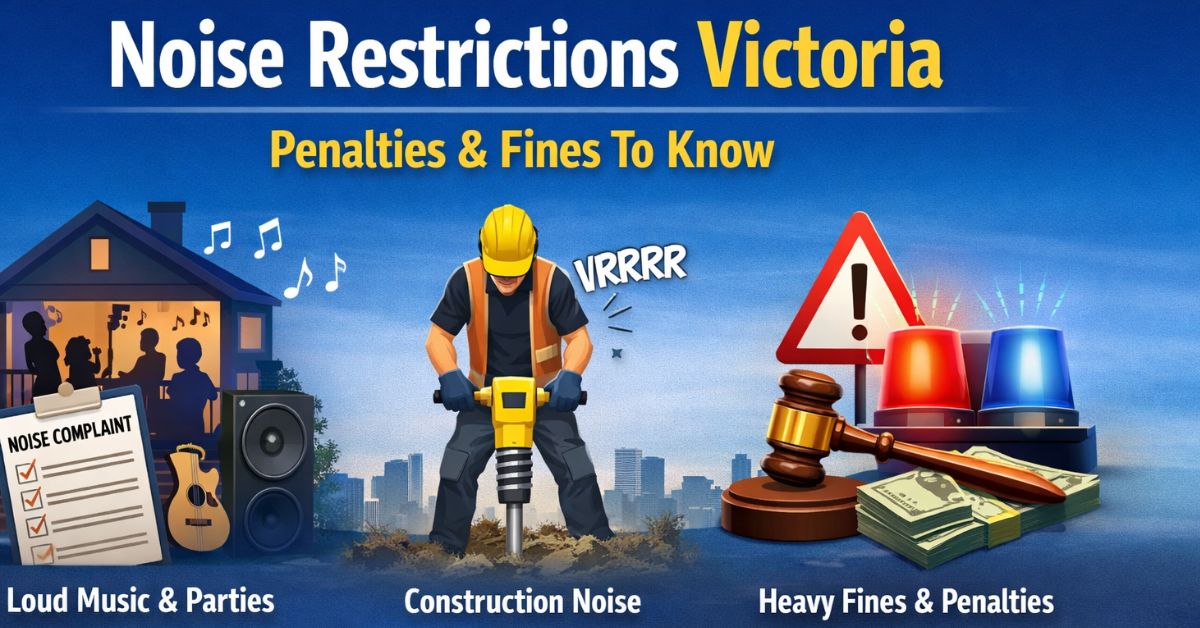
Living in Victoria means enjoying a lot of great things, but sometimes that includes noise. Whether it’s your neighbour’s late-night party or construction starting way too early, excessive noise can really bug you. Victoria has rules in place to keep things peaceful, and knowing about these noise restrictions Victoria is pretty important. It’s not just about annoying sounds; it’s about respecting your neighbours and keeping our communities pleasant. Noise restrictions Victoria cover a range of sounds, from residential parties to industrial operations. There are specific quiet hours where noise restrictions Victoria are particularly strict. This article breaks down what you need to know about noise restrictions Victoria, including what the rules are, who enforces them, and what happens if you break them. Let’s get into it.
Why Noise Restrictions in Victoria Matter
Living in Victoria, you’ve probably noticed that sometimes, things can get a bit loud. Whether it’s a neighbour’s late-night party, construction work starting way too early, or just the general hum of city life, noise is a part of it. But there’s a line, and that’s where noise restrictions come in. These rules aren’t just about telling people to ‘keep it down’; they’re actually pretty important for making sure everyone can enjoy a bit of peace in their own space.
Think about it: nobody wants to be woken up at dawn by a lawnmower or have their evening ruined by booming music. These restrictions are designed to protect our right to a peaceful environment. They help maintain a good quality of life, especially in built-up areas where people live close together. Without them, our neighbourhoods could become pretty stressful places to live.
Victoria has specific laws and local bylaws in place to manage noise. Understanding these rules is key, not just for avoiding fines, but for being a considerate neighbour. It’s about finding that balance between normal daily activities and respecting others’ need for quiet. This article will break down what you need to know about noise restrictions in Victoria, covering everything from what kind of noise is regulated to what happens if you break the rules.
What the Rules Cover
So, what exactly are these noise restrictions in Victoria all about? Basically, they’re a set of rules designed to keep the peace for everyone. Think of it as a community agreement to keep things from getting too loud, too often. These rules aim to strike a balance between people’s right to enjoy their property and the need for a peaceful living environment.
Victoria’s noise regulations cover a pretty wide range of situations. They’re not just about loud parties on a Saturday night, though that’s definitely part of it. The rules also look at:
- Residential noise: This is the everyday stuff, like loud music from a neighbour, barking dogs, or even noisy air conditioners.
- Commercial and industrial noise: Businesses and factories have their own set of limits to stop them from making too much racket that affects nearby homes or other businesses.
- Construction and equipment noise: Things like power tools, leaf blowers, and construction sites often have specific times they’re allowed to operate to minimise disruption.
- Vehicle noise: This can include things like modified exhausts or excessive car alarms.
It’s important to know that different areas might have slightly different rules. For instance, what’s considered acceptable noise near a busy industrial zone might be a big no-no in a quiet residential street. The laws also take into account the time of day – noise is generally much less tolerated late at night.
The core idea is to prevent noise that is unreasonable, meaning it goes beyond what a reasonable person would expect to tolerate in their neighbourhood. This often involves looking at how loud the noise is, when it’s happening, and how often it occurs.
Ultimately, these restrictions are in place to help prevent disputes and ensure that Victoria remains a pleasant place to live for all its residents, whether you’re at home, at work, or just trying to enjoy a quiet afternoon.

Who Makes Noise Restrictions in Victoria
So, who’s actually in charge of keeping the peace in Victoria? It’s not just one single entity, but a mix of local councils and broader environmental laws. Think of it like this: your local council sets the day-to-day rules, the ones that deal with things like loud parties on a Saturday night or that neighbour who seems to love their power tools at dawn. These are often called ‘bylaws’.
Then you’ve got the bigger picture stuff, governed by environmental protection laws. These usually cover more serious or widespread noise issues, like those coming from industrial sites or major construction projects. They’re designed to manage noise that could affect a larger area or have a more significant impact on public health and the environment.
Here’s a quick breakdown:
- Local Councils: They create and enforce noise bylaws specific to their area. This is your first port of call for most neighbourhood noise complaints.
- State Environmental Laws: These set broader standards and guidelines, often managed by state environmental agencies, dealing with industrial, commercial, and large-scale construction noise.
- Victoria Police: While councils handle most day-to-day complaints, police can step in, especially for urgent situations like loud parties late at night or if there’s a safety concern.
It’s a layered approach, really. The local bylaws handle the immediate neighbourhood stuff, while the environmental laws look after the bigger industrial and commercial noise impacts. The key is that both levels of regulation aim to ensure everyone can enjoy a reasonably peaceful environment.
It’s important to remember that these rules aren’t just about stopping noise; they’re about balancing different needs. Businesses need to operate, people want to enjoy their homes, and construction projects are necessary. The laws try to find a middle ground so that one person’s activity doesn’t unduly disturb others.
Understanding the Noise Bylaw in Victoria
So, what exactly is this Noise Bylaw we keep hearing about? Basically, it’s the rulebook that sets out what’s considered too loud and when. It covers a fair bit of ground, from the rumble of construction sites to the thumping bass from a party next door. The main idea is to keep things civil and stop noise pollution from making everyone miserable. It’s not just about residential areas either; it also sets limits for commercial and industrial noise, which is pretty important for businesses operating in Victoria.
Think of it as a guide to neighbourly quiet. The bylaw outlines specific standards and rules designed to manage noise from a bunch of different sources. This includes things like:
- Construction and industrial activities
- Hospitality venues and events
- Private waste collection services
It’s all about making sure that while people go about their business, they’re not making life unbearable for those trying to relax or sleep. The Noise Bylaw aims to strike a balance, allowing for necessary activities while protecting the peace.
The bylaw isn’t designed to silence every little sound. It focuses on noise that is excessive, unreasonable, or goes beyond the set limits, especially during specific times like late at night. It’s about maintaining a reasonable level of quiet for everyone in the community.
When it comes to enforcement, different bodies might be involved depending on the situation. For everyday neighbourhood disturbances, your local council is usually the first port of call. However, for more serious or urgent issues, especially outside of business hours, Victoria Police might be the ones to contact. They have the power to issue directions to cease noise and, if that doesn’t work, slap on some fines. It’s a system designed to address complaints and maintain order, but it does rely on people reporting issues and officers having the resources to respond.
Types of Noise Covered by Noise Restrictions Victoria
When we talk about noise restrictions Victoria, it’s not just about loud music at 3 AM, though that’s definitely a big one. The rules in Victoria cover a pretty wide range of sounds that could potentially annoy your neighbours or disrupt the peace.
Basically, if it’s making a racket and it’s not something unavoidable like an ambulance siren, it might fall under the noise restrictions Victoria umbrella. This includes things like:
- Residential Noise: This is your everyday stuff – loud TVs, arguments, barking dogs that go on forever, or even just a really enthusiastic karaoke session. It’s the noise that comes from people living their lives, but maybe a bit too loudly.
- Commercial and Industrial Noise: Think about the sounds coming from factories, construction sites, or even busy shops. These have their own set of rules, often with different limits depending on the area and the time of day. The noise restrictions Victoria framework try to balance business needs with the right of residents to peace.
- Construction Noise: This is a big one, especially in growing areas. Power tools, heavy machinery, and general building work can be super loud. There are usually specific times when this kind of noise is allowed, and breaking those times can lead to fines under the noise restrictions in Victoria.
- Vehicle Noise: This can cover a few things, like modified exhausts that sound like a jet engine taking off, or even just cars with loud stereos. It’s about making sure our roads aren’t a constant source of disturbance.
- Amplified Music and Entertainment Noise: Parties, outdoor concerts, or even just a backyard gathering with a booming sound system. These are often subject to stricter rules, especially during evenings and weekends.
It’s important to remember that not all noise is covered. For instance, the sounds from emergency vehicles, seaplanes, or helicopters usually aren’t part of the noise restrictions Victoria bylaw.
The key idea behind noise restrictions Victoria is to ensure a reasonable level of peace for everyone. It’s about finding a balance so people can enjoy their homes and communities without being constantly disturbed by excessive noise from others.
So, while the specifics can get a bit detailed, the general principle is that if a noise is persistent, excessively loud, or happening at inappropriate times, it’s likely something the noise restrictions Victoria rules are designed to address.
Residential Noise Rules and When They Apply in Victoria
Living in a neighbourhood means sharing space, and that includes sharing the quiet. Victoria has rules in place to keep things civil when it comes to noise from our homes. Basically, you’ve got a right to a bit of peace, and your neighbours do too. This means making too much racket from your place, especially at certain times, can land you in hot water.
What counts as ‘too much racket’ isn’t always black and white, but generally, it’s noise that’s unreasonable. Think about how loud it is, what it sounds like, and when it’s happening. A bit of DIY noise during the day is usually fine, but a full-on drum solo at midnight? Probably not.
Here’s a quick rundown of what’s generally covered:
- Music and TVs: Keeping the volume at a level that doesn’t travel too far into your neighbours’ homes, particularly late at night.
- Parties and Gatherings: While having mates over is great, excessively loud music or shouting that goes on for hours can be an issue.
- Home Maintenance: Things like using power tools, lawnmowers, or even loud arguments can be considered unreasonable if they’re happening at antisocial hours or are just plain too loud.
- Pets: While we love our furry friends, persistent, loud barking that goes on and on can also be a problem.
The key is to be considerate of those around you. Most of the time, a friendly chat with your neighbour is all it takes if you’re being disturbed. They might not even realise they’re causing a fuss.
Noise restrictions in residential areas are really about maintaining a peaceful coexistence. It’s not about stopping all noise, but about preventing noise that significantly disrupts the lives of others. Being mindful of the time of day and the volume is usually the best way to avoid any trouble.
These rules generally apply all the time, but they become much stricter during specific quiet hours, which we’ll get into later. It’s all about respecting the shared living environment.
Commercial & Industrial Noise Limits Under Victoria’s Laws
When you’re running a business or an industrial operation in Victoria, you’ve got to keep the noise down. It’s not just about being a good neighbour; there are actual laws about it. Basically, noise from commercial and industrial sites can’t be unreasonable, and it has to stay within set limits. If it gets too loud, that’s considered aggravated noise, and that’s a serious offence with some hefty penalties.
These rules apply to all sorts of businesses, big or small. The exact limits can be a bit tricky to figure out because they depend on a few things:
- Land Use Zoning: What’s planned for the area around your business? Is it residential, commercial, or industrial?
- Location: How close are you to places where people live or other noise-sensitive spots?
- Background Noise: What’s the general noise level already there before your business starts making noise?
- Time of Day: Noise restrictions are usually stricter at night.
There are specific methods and protocols, like the Noise Limit and Assessment Protocol, that are used to work out these limits. For major urban areas, it’s often based on zoning types and measuring the existing background sound. In rural areas, the rules might be different again, especially for things like utilities or earth resources premises.
Businesses are responsible for any noise created by contractors or tradespeople they hire. So, if you’re getting work done, make sure those workers are aware of and sticking to the noise rules.
It’s worth noting that some specific noises, like those from livestock on farms or mobile farm machinery, might not be assessed against these general limits. But for most commercial and industrial activities, keeping the noise in check is a must to avoid trouble.
Aggravated Noise and Increased Penalties in Victoria
Sometimes, a bit of noise just goes too far, right? In Victoria, when noise levels aren’t just a bit loud but seriously over the top, it’s called ‘aggravated noise’. This isn’t your typical neighbourly dispute over a late-night party; this is when things get properly serious, especially for businesses. Think of it as the law saying, ‘Enough is enough!’
Aggravated noise is a serious offence with substantial penalties for businesses. It’s about making sure that commercial and industrial noise doesn’t become a constant headache for everyone else. The rules are there to protect the peace, and when they’re ignored to a significant degree, the consequences can be pretty hefty.
What exactly makes noise ‘aggravated’? It usually comes down to how much the noise exceeds the set limits and the time of day it’s happening. For instance, construction work blasting away at 6 AM on a Sunday, way louder than allowed, would definitely fall into this category. It’s not just about being a bit noisy; it’s about a blatant disregard for the rules that affect the whole community.
Here’s a general idea of what can push noise into the aggravated category:
- Consistently exceeding noise limits by a significant margin.
- Making excessive noise during restricted hours (like late at night or early morning).
- Failing to take reasonable steps to control noise after being warned.
- Noise that causes significant distress or health impacts on residents.
When a business is found to be causing aggravated noise, it can expect more than just a slap on the wrist. Fines can be much higher than for standard breaches, and repeated offences can lead to even tougher action. It’s a clear signal that authorities take this kind of disturbance seriously. If you’re running a business, it’s really important to be aware of commercial noise regulations and make sure you’re doing everything you can to stay within the lines. It’s not worth the risk of facing those bigger penalties.
Night-Time and Quiet Hours
When the sun goes down, Victoria’s noise rules tend to get a bit more serious. Think of it as a general understanding that folks want a bit of peace after a certain hour. While specific times can vary a little depending on your local council, there’s a pretty common pattern.
Generally, the strictest noise restrictions kick in during the evening and overnight. This is when most people are trying to relax, sleep, or just generally wind down. So, what does this mean in practice?
- Weeknights: Expect noise limits to be significantly lower from around 7 PM or 8 PM through to 7 AM or 8 AM the next morning.
- Weekends and Public Holidays: These can sometimes have slightly more relaxed start times for quiet hours, perhaps starting a bit later in the evening (like 9 PM) but often extending later into the morning.
- Construction Noise: This is a big one. Building sites have very specific hours, and working outside these times, especially at night, can lead to hefty fines. We saw a development on Quadra Street get pinged for this very reason, showing that construction work outside permitted hours isn’t taken lightly.
The core idea behind these stricter night-time rules is to protect the amenity of residential areas. It’s about ensuring that everyone can get a decent night’s sleep without being disturbed by loud music, parties, or noisy machinery.
So, if you’re planning a get-together or need to use noisy equipment, it’s always best to check your local council’s specific bylaw. Ignorance isn’t really a defence when it comes to noise complaints, and you don’t want to be the reason your neighbours are losing sleep.
Common Offences and Fines Under Victoria’s Noise Bylaw
Look, we all want to enjoy our homes and neighbourhoods, but sometimes things get a bit out of hand, don’t they? Victoria’s got rules about noise for a reason, and breaking them can land you with a fine. It’s not just about being a good neighbour, though that’s a big part of it; it’s about keeping the peace for everyone.
So, what kind of noise usually gets people into trouble? Well, the usual suspects pop up pretty often. Think about those weekend parties that go way too late, with music blasting so loud you can hear it down the street. That’s a classic. Then there’s the constant drone of power tools on a Sunday morning when everyone else is trying to sleep in, or maybe a car with a ridiculously loud exhaust that seems to be revving its engine for no good reason.
Here are some of the common culprits:
- Loud Music and Parties: Especially during designated quiet hours, this is a big one. If your get-together is disturbing others, you’re likely to get a visit from bylaw officers.
- Power Equipment: Things like lawnmowers, leaf blowers, and chainsaws can be noisy. There are usually specific times when using these is restricted, particularly in residential areas.
- Vehicle Noise: This covers everything from modified exhausts that are excessively loud to car alarms that won’t stop going off.
- Construction Noise: While construction is necessary, it’s also regulated. Work outside of approved hours or excessively noisy activities can lead to fines.
The City can issue fines for these kinds of disturbances, and they’re not exactly pocket change.
It’s worth remembering that what’s considered ‘unreasonable’ noise isn’t just about how loud something is. It also takes into account the time of day, how often the noise occurs, and where it can be heard from. So, a bit of noise during the day might be fine, but the same noise late at night could be a whole different story.
Fine Amounts for Noise Restrictions Victoria
Right, let’s talk about the nitty-gritty: what happens to your wallet if you’re found to be making too much racket under Victoria’s noise rules. It’s not just a slap on the wrist, you know. The fines can add up, and understanding them is key to staying out of trouble.
Generally, when a noise restriction is breached, an on-the-spot fine can be issued. The amount can vary depending on the specific bylaw and the nature of the offence. For instance, construction noise outside permitted hours might attract a different penalty than a particularly rowdy backyard party that goes way too late.
The good news is that often, there’s a discounted rate if you pay your fine promptly. This is pretty standard practice across many penalty systems, and it’s a good incentive to sort things out quickly. Paying within a specified period, usually around 30 days, can knock a bit off the total amount.
Here’s a general idea of what you might be looking at, though remember these can change, and local councils might have their own specific schedules:
- Standard Fine: This is the full amount if you don’t pay within the early payment period.
- Discounted Rate: A reduced amount offered for prompt payment.
For example, a common fine for certain noise bylaw breaches, like construction work happening outside approved hours, could be around $350. However, if you pay that within 30 days, it might drop to $300. It’s not a massive saving, but it’s something, right?
It’s always worth checking the specific noise bylaw for your local council area. While there are state-level guidelines, councils often administer and enforce these rules, and their fine schedules can have slight variations. Don’t assume a fine in one suburb will be the same in another.
Beyond the standard fines, if the noise is deemed particularly bad or if you’re a repeat offender, the penalties can get a lot steeper. We’re talking about aggravated noise offences here, which are treated much more seriously and can lead to significantly higher fines, and potentially even court action in extreme cases. So, it really pays to be a good neighbour and keep the volume down, especially during those sensitive quiet hours.
Penalties for Disturbing the Neighbourhood Under Victoria’s Rules
Look, nobody likes a noisy neighbour, right? It’s pretty standard across Victoria that if you’re making a racket that’s just too much, authorities can step in. It’s not just about loud parties, either. Think revving car engines at 2 AM, or that power tool you decided to fire up on a Sunday morning. These things can really get under people’s skin.
When a complaint is made, and it’s deemed unreasonable, the first step is often a warning or a formal direction to stop the noise. This might come from Victoria Police or your local council. If the noise continues in that direction, that’s when things can get a bit more serious. Fines can be issued on the spot for ongoing disturbances.
Here’s a general idea of how it can play out:
- Initial Complaint: Someone reports excessive noise.
- Assessment: An authorised officer (like police or council) determines if the noise is unreasonable, considering factors like loudness, type of noise, time of day, and how often it happens.
- Directions to Cease: You might be told to stop the noise immediately.
- Notice: For persistent issues, a formal notice might be issued, requiring the noise to stop for a set period, often up to 72 hours.
- Fines: If you ignore the direction or notice, on-the-spot fines can be slapped on. These aren’t just a slap on the wrist; they can add up.
It’s worth remembering that some noises are treated more seriously than others. For instance, if the noise is causing a significant disturbance or is happening during restricted hours, the penalties can be steeper. It’s all about maintaining a bit of peace for everyone in the neighbourhood. If you’re dealing with a persistent noise issue, contacting your local council is usually the best first step to understand the specific complaint process in your area.
Special Equipment & Time-Based Noise Rules
Alright, let’s talk about those noisy bits of equipment that can really get on your neighbours’ nerves, especially when they’re used at the wrong times. We’re looking at things like leaf blowers, chainsaws, and general construction noise here. Victoria has specific rules about when you can fire these up, and yeah, there are fines if you don’t play by the book.
The main idea is to keep the peace, especially during quieter hours.
Generally, you’ll find that most councils have set times for using this kind of noisy gear. Think early mornings and late evenings – these are usually off-limits. Construction sites, for instance, often have strict operating hours, and straying from them can lead to trouble. It’s not just about the noise itself, but also about respecting the times when people are trying to relax or sleep.
Here’s a general rundown of what you might expect:
- Leaf Blowers and Chainsaws: These are often restricted to daytime hours, typically between 8 am and 6 pm on weekdays, and maybe shorter hours on weekends. Using them too early or too late is a common complaint.
- Construction Noise: Building sites usually have defined operating hours, often starting a bit later in the morning and finishing before the evening. Weekend work might be more restricted or even prohibited on Sundays.
- General Equipment Noise: This can cover a range of things, from lawnmowers to power tools. The rules usually aim to prevent excessive noise during typical sleeping hours and mealtimes.
The specific times can vary quite a bit depending on your local council, so it’s always best to check their website or give them a buzz to get the exact details for your area. Ignorance isn’t a great defence when it comes to fines.
When it comes to fines, they can add up. For example, construction companies found to be operating outside permitted hours might face penalties. We’ve seen instances where fines can be around $350, with a discounted rate if paid promptly, like $300 within 30 days. These aren’t small amounts, and they’re designed to make businesses and individuals take these rules seriously. It’s not just about a slap on the wrist; it’s about financial consequences for disturbing the peace.
What Happens If You Don’t Pay a Noise Fine in Victoria
So, you’ve copped a fine for making a bit too much racket under Victoria’s noise restrictions. It happens, right? Maybe it was a party that went a bit too long, or perhaps some late-night DIY that got out of hand. Whatever the reason, ignoring that fine isn’t the best idea. Victoria takes noise complaints pretty seriously, and not dealing with a fine can lead to more trouble.
When you don’t pay a noise fine, it doesn’t just disappear. The authorities have ways of following up. Think of it like any other unpaid penalty – it can escalate.
Here’s a general rundown of what might happen:
- Increased Penalties: The original fine amount can increase with late fees or penalty charges added on. So, that $300 fine could end up costing you a fair bit more.
- Further Enforcement Action: Depending on the specific bylaw and the amount owed, authorities might take further steps. This could involve things like wage garnishment or even liens on property, though this is usually for more significant or repeated non-payment.
- Court Involvement: In some cases, especially if the fines are substantial or ignored for a long time, the matter could end up in court. This is definitely not a situation you want to be in.
- Impact on Records: Unpaid fines can sometimes affect your record, making it harder to do certain things down the track, though this is less common for minor noise infringements.
It’s always best to check the details on the fine itself or contact the issuing authority – usually your local council or Victoria Police – to understand the exact consequences and payment options. They often have payment plans available if you’re struggling to pay the full amount at once.
Ignoring a fine is never the solution. It’s better to face it head-on, understand the consequences, and make arrangements to settle it as soon as possible. This way, you avoid a small issue snowballing into a much bigger headache.
How to Report a Noise Restriction Violation in Victoria
If you’re dealing with a noise issue that’s just not cutting it, Victoria has a process for sorting it out. The first step, if it feels safe and appropriate, is always to try to have a chat with the person making the noise. Sometimes, people genuinely don’t realise they’re being disruptive. A friendly word can often sort things out without needing to involve anyone else.
If talking doesn’t do the trick, or if it’s not a safe option, then it’s time to make a formal complaint. Your local council is usually the main point of contact for noise complaints during business hours. They’re the ones who handle bylaw enforcement for most residential noise issues.
Here’s a general idea of how it works:
- Identify the Noise: Figure out what kind of noise it is (e.g., loud music, construction outside hours, barking dog) and when it’s happening.
- Gather Information: Note down dates, times, duration, and the nature of the noise. This will be helpful when you make your report.
- Contact Your Local Council: Look up your local council’s contact details. They’ll have a specific department or process for noise complaints. You can usually find this on their website.
- Make the Report: Follow their instructions for complaining. This might be online, over the phone, or in person.
For really urgent situations, especially late at night or on weekends when council offices are closed, and if the noise is causing immediate distress or is part of a larger disturbance like a loud party, you might need to call Triple Zero (000). This is for situations where police intervention is necessary.
When making a complaint, try to be as factual as possible. Stick to the details of the noise itself – how loud it is, how long it lasts, and when it occurs. This helps the authorities assess the situation properly and decide on the best course of action.
Authorities will consider a few things when looking into a noise complaint: how loud the noise is, what it sounds like, the time of day, how often it happens, and how far it can be heard. They might issue a direction to cease the noise, and if that’s ignored, fines can follow.
Noise Bylaw Exemptions & Permits in Victoria: Events & Construction
Look, sometimes life just gets loud, right? Whether it’s a big community festival or a construction crew trying to get a job done, there are times when noise levels might go a bit beyond the usual restrictions. Victoria gets this, and that’s why they have a system for exemptions and permits.
Basically, if you’re planning something likely to create more noise than usual, and it’s for a specific, approved reason, you might be able to get a permit. This isn’t a free pass to just blast music all night, though. It’s about managing those unavoidable noisy activities.
For construction projects, permits are often needed if work needs to happen outside of standard hours, like early mornings, late evenings, or weekends. This usually involves demonstrating why the work can’t be done during quieter times and outlining how you’ll minimise disruption. Think about it – sometimes a bridge just has to be fixed, and it can’t wait for daylight.
When it comes to events, like concerts or even large private parties that might go late, a permit can allow for noise levels that would otherwise be a breach of the bylaw. The council will look at things like the type of event, the location, the expected number of people, and the duration.
Here’s a general idea of what’s involved:
- Application: You’ll need to formally apply to the relevant council department, usually Bylaw Services or Planning. This often involves filling out specific forms.
- Details: You’ll have to provide a lot of detail about the proposed activity – what kind of noise, when it will happen, how long it will last, and where it will be located.
- Justification: You need to explain why an exemption or permit is necessary. Why can’t the construction happen during normal hours? Why is this event going to be louder than usual?
- Conditions: If a permit is granted, it will almost always come with conditions. These could include specific times for noisy work, limits on the type of music, requirements for security or crowd control, or even noise monitoring.
- Fees: There’s usually a fee associated with applying for and obtaining these permits.
It’s really important to get this sorted before your event or construction starts. Operating without a required permit can lead to hefty fines, just like any other noise bylaw violation. So, if you’ve got a big, noisy plan, do your homework and check with your local council well in advance.
Sometimes, even with a permit, there are still limits. The goal is to balance the need for activities like construction and events with the right of residents to enjoy peace. It’s not about eliminating all noise, but about making sure it’s managed responsibly and doesn’t become a constant nuisance.
Tips for Avoiding Penalties Under Noise Restrictions in Victoria
Look, nobody wants to get hit with a fine just for trying to enjoy their own space or run their business. The good news is, most of the time, avoiding trouble with Victoria’s noise restrictions is pretty straightforward. It mostly comes down to being aware and considerate.
The golden rule is simple: know the rules and be mindful of your neighbours.
Here are a few practical things you can do:
- Check the Quiet Hours: Victoria has specific times when noise needs to be kept to a minimum, especially at night and early in the morning. Make sure you know when these are for your local area. Generally, think about keeping things down between 10 PM and 7 AM on weekdays, and maybe a bit later on weekends.
- Keep it Reasonable: Think about the type of noise you’re making. Is it a party that’s gone on too long? Are you using power tools at an ungodly hour? Is your music system rattling the windows? If it’s loud, prolonged, or happening at an inconvenient time, it’s probably pushing the limits.
- Communicate: If you’re planning something that might be a bit noisy – like a backyard renovation or a party – give your neighbours a heads-up. A quick chat or a friendly note can go a long way in preventing complaints.
- Maintain Your Equipment: Old, rattly machinery or vehicles can be surprisingly loud. Regular maintenance can often quiet things down significantly.
- Consider Special Permits: If you’re running a business or planning an event that’s likely to generate noise, look into whether you need a permit. Sometimes, with the right approvals and conditions, you can operate outside standard restrictions.
When in doubt, err on the side of caution. A little bit of effort to be a good neighbour can save you a lot of hassle and money down the track. It’s not just about avoiding fines; it’s about maintaining a peaceful community for everyone.
For specific noise limits and times, it’s always best to check with your local council, as rules can vary slightly from one area to another. They’ll have the most up-to-date information on what’s considered acceptable and what might land you in hot water.
Want to steer clear of fines for noise issues in Victoria? It’s easier than you think! We’ve put together some simple tips for both homeowners and businesses to help you stay on the right side of the rules. Don’t let noise restrictions catch you out – learn how to manage them effectively. For more detailed advice and to discover how we can help you navigate these regulations, visit our website today!
Frequently Asked Questions (FAQs)
What exactly are noise restrictions in Victoria?
Noise restrictions in Victoria are basically rules set up to make sure our neighbourhoods stay peaceful. They stop people from making too much noise, especially during certain hours, so everyone can enjoy their homes and rest without being bothered by loud sounds. Think of it as keeping the peace for all Victorians.
Who decides what’s too noisy?
It’s a mix of local councils and state laws that set these rules. Your local council often has its own specific bylaw about noise, which can be stricter in certain areas. The state government also has environmental laws that cover bigger noise issues, like those from factories or major construction sites.
What kind of noises do these rules cover?
Lots of things! It includes noise from loud music, parties, power tools like lawnmowers and chainsaws, car alarms, and even things like air conditioners. Basically, if a noise is loud enough to disturb your neighbours, it could be covered by the rules.
Are there specific times when noise is more restricted?
Definitely. Night-time is usually when the rules are toughest. There are ‘quiet hours’ set, often starting in the evening and going through to the morning. During these times, even moderate noise can be considered a problem because people are trying to sleep.
What happens if I make too much noise?
If you break the noise rules, you could get a warning or even a fine. For smaller issues, you might just get a notice. But if it’s a serious or repeat problem, like a really loud party that goes on for ages, the fines can get quite hefty. Sometimes, police or council officers can even tell you to stop the noise immediately.
How much are the fines for noise violations?
The fines can vary a lot. For a first-time or minor offence, it might be a few hundred dollars. But for serious or repeated issues, especially if it’s considered ‘aggravated noise’ (meaning it’s really bad or dangerous), the fines can be much higher. Sometimes there’s a cheaper rate if you pay the fine quickly.
What counts as ‘aggravated noise’?
Aggravated noise is basically noise that’s extra bad. This could be extremely loud noise, happens at really inconvenient times, or is just generally a serious nuisance. It’s more than just a bit of loud music; it’s the kind of noise that really impacts people’s lives and safety. These cases usually have bigger penalties.
Can construction noise be noisy?
Yes, construction sites can be noisy, but they usually have specific rules about when they can operate. There are often limits on the hours they can use loud equipment like jackhammers or pile drivers. If they work outside these times, they can be fined, just like anyone else.
What if I want to have a party or event that might be noisy?
For big events or specific activities like construction that might create extra noise, you might need to get a permit or an exemption. This means you’ve asked permission from your local council beforehand and agreed to follow certain conditions to minimise the disturbance to others.
How do I report a noisy neighbour?
If you’re having trouble with noise, the first step is often to try talking to your neighbour directly if you feel safe doing so. If that doesn’t work, you can contact your local council to make a formal complaint. For really urgent or dangerous noise situations, especially late at night, you might need to call the police.
What happens if I ignore a noise fine?
You don’t want to ignore a fine! If you don’t pay it, the amount can increase, and you could face further legal action. It’s best to deal with it as soon as possible, either by paying it or contacting the authority that issued it to discuss your options.
Are there any noises that aren’t covered by the rules?
Generally, the rules are about unreasonable noise from everyday activities. Some specific noises, like those from emergency vehicles (sirens), seaplanes, or sometimes even regular traffic on major roads, might not be covered by the same local bylaws because they’re unavoidable or part of essential services.