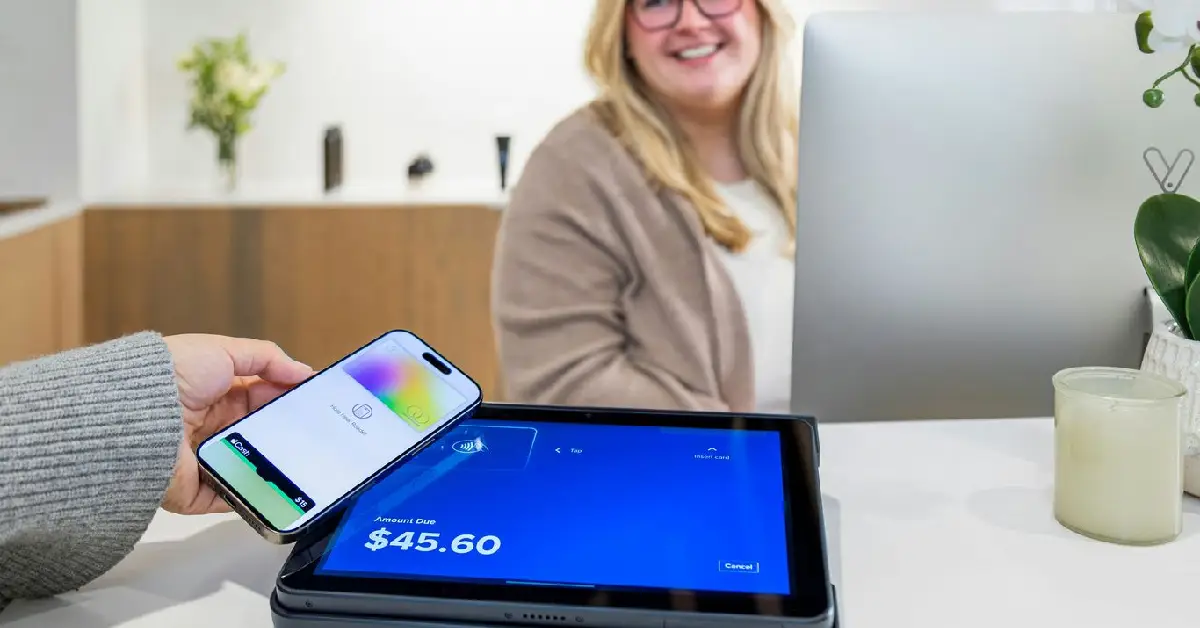
The quick answer to “Can Osko Payments Be Reversed?” is No! Osko payments usually cannot be reversed once completed. However, banks may attempt a recall if you contact them immediately. Success depends on timing and whether the recipient agrees.
What Is Osko and How Does It Work?
Let’s talk about Osko. You might have seen it in your banking app or used it without really thinking. Osko is Australia’s fast way to send money between banks – it takes seconds, not days. It uses the New Payments Platform (NPP), which is the technology that allows for instant money transfers in Australia.
Remember waiting days for a cheque to clear or a normal transfer to go through? Osko is much faster. It works all the time, 24/7, so your money can move even on holidays or late at night. Sending money with Osko is usually free for personal use, which is a great benefit.
How does it work? You don’t really ‘pick’ Osko like a specific bank. If you’re sending money between two Australian banks that both support Osko, and it’s in Australian dollars, your bank will automatically use the Osko system if the payment fits. You’ll usually see the Osko name or logo on your transaction details to show it went through the fast way.
Here’s what makes Osko work:
- Speed: Payments usually arrive in the recipient’s account in less than a minute.
- Availability: It’s always on – 24 hours a day, 7 days a week, all year.
- Reach: Over 100 Australian banks support it, so your bank is likely included.
- Description Space: You can add notes (up to 280 characters) to your payment. This helps you remember what the payment was for, like when splitting bills.
The main thing to know is that Osko isn’t a separate app. It’s part of your online or mobile banking app, using the same security your bank already has.
Osko also works with PayID. PayID is a unique way to identify your bank account, like your mobile number or email. Using a PayID makes sending money easier and safer because you can check the recipient’s name before sending, reducing mistakes.
Can Osko Payments Be Reversed?

This is an important question. Osko payments are very fast, almost instant. Because of this speed, reversing an Osko payment isn’t simple. Once the money is sent, it’s usually gone. However, there are some situations where you might get your money back, but it’s not guaranteed.
If You Sent Money to the Wrong Person
Mistakes happen. If you send money to the wrong person, contact your bank right away. They can try to start a ‘payment recall,’ which asks the recipient’s bank to try and get the money back.
Here’s what to consider:
- The recipient’s bank: They need to agree to help.
- The recipient: They don’t have to return the money. If they’ve spent it or refuse, your bank can’t force them.
- How quickly you act: The faster you report the mistake, the better your chances.
If the money went to an account at a different bank, your bank will send a request. That bank has a few business days to respond. If the account has enough money, they’ll ask the recipient if they can return it. It can be a stressful waiting period.
If You Were Scammed
This is harder. If you were tricked into sending money via Osko, getting it back is very difficult. Since Osko payments are final, the funds are usually gone once transferred. Your bank can try a payment recall, but the chances are low, especially if the scammer has already moved the money.
When you send money using Osko, it’s generally final. This means you must be very careful before sending. Always check the recipient’s details, especially if using a PayID. Seeing the correct name before you confirm is good, but not foolproof.
Report the scam to your bank immediately. They can block further payments and investigate. Also, report it to Scamwatch. This helps authorities track scammers and prevent others from being targeted. Learning how PayID works can help you understand the system better.
What To Do Immediately If You Made a Mistake
If you’ve sent money via Osko and realised it went to the wrong place or was a scam, act fast. The sooner you report it, the better your chances of getting the money back.
First, contact your bank immediately. Call them or use their app to report payment issues. Provide all details: who you sent it to, the amount, date, time, and any reference numbers. More information helps them start the process faster.
Here’s what to do:
- Contact your bank immediately: This is the most crucial step. Speed is essential.
- Gather all payment details: Have your transaction reference, recipient details, amount, and date ready.
- Report it correctly: Use terms like ‘Mistaken Internet Payment’ or ‘Misdirected Payment’ when speaking to your bank.
- Follow your bank’s process: They may have a specific form or team for these issues.
It’s a race against time, especially if the money is already in someone else’s account. Your bank will try to contact the recipient’s bank to see if the funds can be recalled. This process can take time, and there’s no guarantee you’ll get your money back, but it’s worth trying.
Remember, Osko payments are fast, which is good for everyday use, but makes them hard to reverse. Acting quickly is your best chance to sort things out before the money is gone.
If you’re dealing with a scam, report it to Scamwatch. This helps them track scams and warn others. For more information on reporting scams, visit the Australian Competition and Consumer Commission website.
How Long Does an Osko Recall Take?
If you’ve sent money by mistake or been scammed using Osko, you’ll want to know how quickly you can get it back. Osko is fast for sending money, but not always for getting it back.
When you report a mistaken Osko payment to your bank, they’ll ask the recipient’s bank to try and return the funds. If the payment went to a different bank, it takes more steps. Your bank sends the request, and the other bank checks if the money is still there and can be returned. This can take some time.
Here’s a general idea of the timelines:
- Same Bank Transfers: If you sent money to the wrong person at your own bank, it might be sorted faster, possibly within 5 to 10 business days, if there’s enough money and it was a genuine mistake.
- Different Bank Transfers: This is more complex. Your bank sends a request to the recipient’s bank, usually within 5 business days of your report. The recipient’s bank then has another 5 business days to respond about whether there are enough funds. Initial checks alone can take up to 10 business days.
- After Funds Are Found: If the recipient’s bank confirms funds are available, the actual return can take more time. For different banks, it might take a few more business days for the money to reach your account.
These are best-case times. If the recipient’s bank doesn’t cooperate, or the funds are spent, getting your money back is much harder and could take longer, possibly needing legal action.
The speed of Osko payments means that once the money leaves your account, it’s gone almost instantly. Recalling funds is a reactive process, depending on the recipient’s bank and the money’s availability. It’s like trying to catch a bullet train after it has already left.
If you made a mistake, reporting it to your bank immediately is key. The sooner you act, the better the chance of a resolution, though ‘swift’ can still mean weeks. For more on how payments work, check out how Osko payments work.
Why Osko Payments Are Hard to Reverse
You’ve sent an Osko payment and wonder if you can take it back. The short answer is: it’s very difficult. Osko is designed for speed, and that speed means once the money is sent, it’s usually gone.
They move between bank accounts in seconds, 24/7. This means the money is immediately available to the recipient. Unlike older transfers that might take a day or two to clear, Osko has no ‘holding period’ for interception. Your bank debits your account, and the recipient’s bank credits theirs, almost at the same time.
Here’s why getting your money back is not easy:
- Final Instructions: When you send an Osko payment, the instruction is final. Your bank considers it complete. There’s no ‘undo’ button.
- Real-Time Processing: The NPP, used by Osko, processes transactions instantly. Funds are settled between banks immediately, making reversal very complex.
- Recipient’s Access: The money reaches the recipient’s account quickly. They can then access and spend it, making retrieval difficult, especially if they are not cooperative.
- No Central Reversal System: Osko uses direct bank-to-bank transfers. Reversing a payment requires cooperation between both banks and often the recipient.
Osko’s design prioritises speed and efficiency. While great for moving money quickly, it inherently makes recalling funds difficult once sent. It’s a trade-off for instant transfers.
Your bank can try a ‘payment recall’ for mistakes or scams, but it’s not guaranteed. It involves your bank contacting the recipient’s bank, and then that bank contacting their customer. It’s a request, not a forced retrieval. If the recipient doesn’t agree to return the money, or has spent it, your options are limited. Always double-check details before confirming any Osko payment.
Osko vs Other Payment Methods
When sending money in Australia, Osko is a strong option, especially compared to older methods. Remember waiting three business days for a transfer? Osko is built on the New Payments Platform (NPP) for fast, 24/7 money movement. Usually, you don’t need to select a special ‘Osko’ option; if your bank and the recipient’s bank support it for domestic Australian dollar payments, it happens automatically.
Here’s a comparison:
- Speed: Osko payments arrive in seconds. Traditional transfers can take 1-3 business days. This is a big difference if you need money fast.
- Availability: Osko works all day, every day, including weekends and holidays. Old transfers are usually limited to bank business hours.
- Details: You can add a message (up to 280 characters) with Osko payments, unlike the very limited fields on older systems. This is useful for explaining payments, especially for things like work expenses.
- Cost: For personal use, most banks offer Osko payments for free. Traditional transfers are often free too, but check with your bank.
The most important thing is that Osko payments are final once sent. Unlike some methods where you might have a short time to stop a payment, Osko’s speed means it’s gone almost instantly. This is why checking details before sending is crucial.
Compared to international money transfer services, Osko is only for domestic Australian dollar payments. For overseas transfers, you’ll need a different service. But for sending money to friends, paying for services, or splitting bills in Australia, Osko is the best choice for speed and convenience.
Common Osko Payment Mistakes to Avoid
Let’s discuss common errors with Osko payments. Its speed is great, but it means you need to be careful to avoid mistakes. Small things often cause problems.
Double-Checking is Key
The most common mistake? Not looking carefully before sending. It sounds simple, but when you’re rushed or think you know the PayID well, you can mistype a digit or use an old email. Always check the recipient’s name that appears after you enter their PayID. If it doesn’t look right, stop. Don’t assume it’s a glitch. It’s better to be safe, especially since you can’t easily reverse the payment. For example, if paying a business, ensure the name matches what you expect. Checking ANZ’s Osko info can highlight why this is important.
Not Understanding PayID Limits
While Osko is for everyday payments, some banks have daily sending limits. If you try to send too much, it might be rejected or, without you realising, fall back to a slower payment method. Know your bank’s limits, especially for large amounts.
Falling for Scams
Scammers like Osko because it’s instant. They might trick you by pretending to be someone else or creating a fake emergency, pressuring you to pay quickly. If someone rushes you or asks for payment in an unusual way, it’s a major warning sign. Always verify requests, especially unexpected ones. If a deal seems too good to be true, it probably is.
Assuming Payments Are Always Instant
Most Osko payments are instant. However, they might take longer sometimes. This could be if the recipient’s bank isn’t fully set up for Osko or if a security check is happening. While Osko is fast, it’s not always immediate. If a payment takes longer than expected, wait a few hours before contacting your bank.
Osko’s speed is its biggest strength, but it also means you need to be extra careful. Once the money is gone, it’s very hard to get back. Take that extra second to check everything. It’s not worth the trouble later.
How to Protect Yourself From Osko Scams
Osko is a great system for fast money transfers, but you need to be smart to avoid scams. Scammers constantly seek new ways to trick people, and instant payments are a prime target.
How to keep your money safe:
- Always double-check the name. When using PayID with Osko, your banking app usually shows the recipient’s name before you confirm. If you expect to pay ‘Dave’s Plumbing’ and it shows ‘Dave’s Plumbers Inc.’ or something else, stop. Don’t assume it’s a typo; it could be a scammer.
- Be suspicious of urgent requests. Scammers often create panic. They might claim there’s an account problem, a fake tax bill is due, or a relative needs money immediately. If it feels urgent and stressful, verify it yourself. Call the person or organisation directly using a known, real number, not one they provide.
- Never send money to get money. This is a common scam. Someone might promise a prize, loan, or investment, but require a small payment first to release larger funds. If it sounds too good to be true, it likely is. Legitimate payments don’t work this way.
- Don’t share your login details. Osko uses your bank’s online security. If someone asks for your internet banking password, PIN, or phone codes, they are trying to scam you. Your bank will never ask for this information.
If you’re unsure about a payment request, especially if it’s unexpected or seems wrong, stop. Don’t proceed. Contact your bank or the person/business directly using your own contact details. It’s always safer to be cautious with your money.
- Be wary of unexpected invoices or service payments via Osko. If you receive an invoice out of the blue or a payment request for something you didn’t order, be extra careful. Scammers can fake invoices convincingly. If unsure, contact the company directly through official channels to confirm the payment is real.
Frequently Asked Questions
Can I get my Osko payment back if I send it to the wrong person?
Osko payments are very fast and usually cannot be stopped once sent. If you make a mistake, tell your bank immediately. They can ask the other bank to return the money, but it’s not guaranteed. It often depends on whether the recipient still has the money. Always double-check details before sending!
What happens if I get scammed using Osko?
If you suspect you’ve been scammed, contact your bank immediately. They can try to recall the payment, but Osko is designed to be instant. Report any suspicious activity to your bank and Scamwatch. Being careful and checking details, especially when rushed, is your best defence.
Can I use Osko to send money overseas?
No, Osko is only for sending Australian dollars within Australia. For international transfers, you need a different service, like your bank’s international transfer option or a specialist service.
What is PayID and how does it work with Osko?
PayID is a simple nickname for your bank account, like your mobile number or email. When using Osko with PayID, you enter this nickname instead of a long account number. It makes sending money easier and safer because you can see the recipient’s name before confirming, helping avoid mistakes.
Are there limits on how much I can send with Osko?
Yes, most banks have daily limits for Osko payments, which can vary. These are for security. For larger amounts, check with your bank about increasing your limit or use a traditional bank transfer, which might have different limits and times.