Thinking about retiring in Thailand from Australia? It’s a dream for many, with its lower cost of living, beautiful scenery, and warm climate. But before you pack your bags, it’s important to get a handle on the finances involved. Figuring out how much money you’ll actually need each month can be tricky, as budgets can vary a lot depending on your lifestyle and where you choose to settle. This guide aims to break down the typical costs so you can plan your retirement in Thailand with confidence, making sure your savings go further.
Why Thailand Is a Popular Retirement Destination for Australians

Thailand has become a real drawcard for Aussies looking to retire overseas, and it’s not hard to see why. For starters, the cost of living is significantly lower than back home. You can stretch your retirement savings a lot further, meaning your money goes further for longer. Think about it – what might get you a basic unit in a regional Australian town could afford you a much more comfortable lifestyle, perhaps even with a sea view, in many parts of Thailand. Beyond the financial benefits, there’s the lifestyle. The country boasts a rich culture, incredibly friendly locals, and a food scene that’s second to none. Whether you’re after bustling city life, tranquil beaches, or lush mountains, Thailand offers a diverse range of environments to suit different tastes. Many retirees find the warm, tropical climate appealing, especially when escaping cooler Australian winters. Plus, for those who enjoy an active retirement, there are ancient temples to explore, vibrant markets to wander through, and stunning natural landscapes to discover. It’s not just about the everyday living costs, though. Healthcare in Thailand is also generally more affordable, and many private hospitals offer high standards of care. This can be a significant factor for retirees planning their long-term health needs. When you consider all these elements together – the affordability, the lifestyle, the climate, and the quality of services – Thailand presents a compelling option for many Australians seeking a fulfilling and cost-effective retirement abroad. It’s a place where you can genuinely enjoy your retirement years without the constant pressure of high expenses. Many people planning to retire in Thailand find that a budget of around $1,500 to $2,000 USD per month is a good starting point for a comfortable life, though this can vary greatly depending on your personal spending habits and chosen location. For those looking for a more detailed breakdown of expenses, resources like planning to retire in Thailand in 2025 can offer valuable insights. While the allure of a lower cost of living and a tropical lifestyle is strong, it’s wise to do thorough research into specific regions and understand the visa requirements well in advance. Getting a handle on these details early can prevent unexpected hurdles down the track.
Types of Retirement Visas & Their Financial Requirements
So, you’re thinking about packing your bags and heading to Thailand for a well-deserved retirement. That’s fantastic! But before you start dreaming of beaches and street food, you’ll need to sort out your visa. Thailand offers a few options for retirees, and each has its own set of financial hoops to jump through. The most common route for Australians is the Non-Immigrant O-A (Long Stay) visa. This one’s generally for folks over 50 who aren’t planning to work. To get it, you’ve got a couple of financial pathways you can take:
- Option 1: Savings. You’ll need to show you have at least 800,000 Thai Baht (roughly AUD $35,000, but always check the current exchange rate!) sitting in a Thai bank account. This money needs to have been there for at least two months before you apply, and you’ll need to prove it’s still there when you renew each year.
- Option 2: Income. Alternatively, you can demonstrate a monthly income or pension of at least 65,000 Thai Baht (around AUD $2,850). This usually means providing a letter from your embassy or a 12-month bank statement showing regular deposits.
On top of these financial requirements, you’ll also need to have health insurance. For the O-A visa, this typically means coverage of at least 400,000 Baht for inpatient care and 40,000 Baht for outpatient care. It’s a good idea to get this sorted before you even apply. There’s also the newer Non-Immigrant O-X visa, which offers a longer 10-year stay. This one has a higher financial threshold, usually requiring 3 million Baht in a Thai bank account or a comparable monthly income. It’s a bit more involved, but the extended stay might be worth it for some. It’s really important to get the latest details directly from the Thai embassy or consulate in Australia, as requirements can change. What works today might be different next month, so double-checking is key to a smooth process. Beyond these, you might hear about the Thailand Elite Visa or the LTR (Long-Term Resident) visa. These are more premium options, often with higher costs but also offering more benefits and longer stays, sometimes with fewer day-to-day immigration hassles. They’re definitely worth looking into if your budget allows and you’re after a more ‘all-inclusive’ retirement experience.
Cost of Living When Retiring in Thailand from Australia: Housing, Food, Transport & Utilities
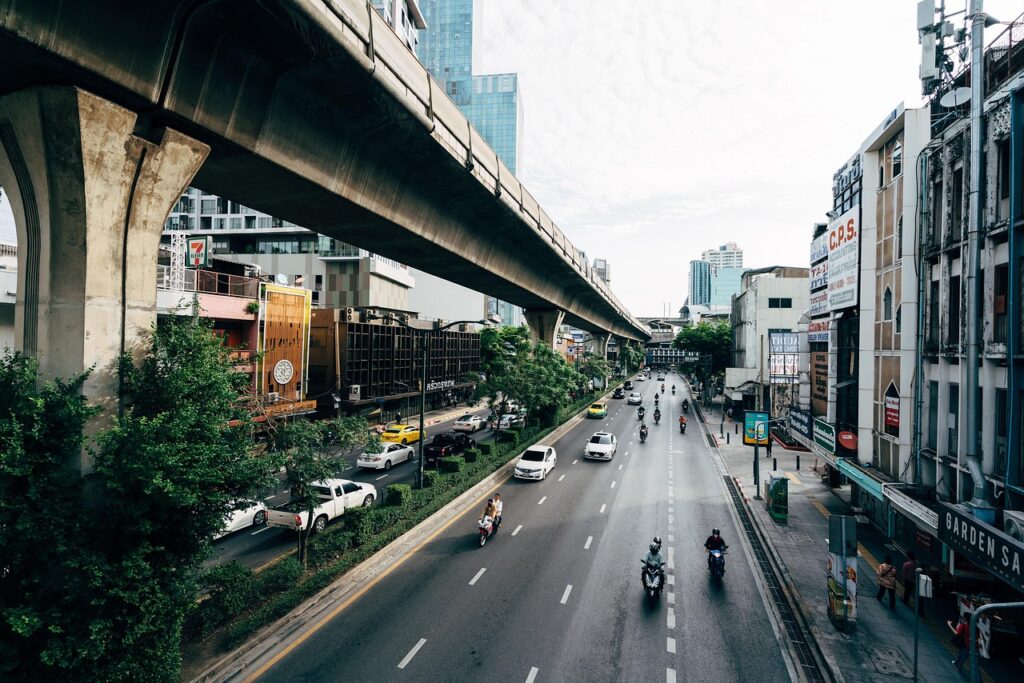
Right then, let’s talk about what it actually costs to live day-to-day in Thailand. It’s not just about the big stuff like visas, but the everyday expenses that really add up, you know? Your rent, what you eat, how you get around, and keeping the lights on – these are the things that’ll shape your budget. Location really is everything when it comes to your rent. If you’re dreaming of a swanky condo in the heart of Bangkok or a beachfront villa in Phuket, you’re looking at a fair bit more cash than if you opt for a quieter spot in Chiang Rai or a smaller town. Think of it this way: living in the thick of it in Bangkok, like in areas such as Thong Lor, can easily cost double what you’d pay on the city’s outskirts. Even a beachside apartment in Hua Hin will be noticeably cheaper than a similar place in Phuket. Here’s a rough idea of monthly housing costs:
- Mid-range 1-bedroom condo: THB 15,000 – 20,000 (around AUD $650 – $870)
- High-end 2-bedroom condo: THB 40,000 – 60,000 (around AUD $1,740 – $2,600)
- Luxury options: THB 80,000+ (around AUD $3,480+)
When it comes to food, you’ve got options. Eating local street food or from food courts is super cheap, maybe THB 30-60 a meal. A meal at a decent mid-range restaurant might set you back THB 80-300. But if you’re craving imported goods or dining at fancy international restaurants, your food bill will shoot up pretty quickly. Embracing local cuisine is definitely the way to go if you want to keep costs down. Utilities are generally pretty reasonable, but your air conditioning usage will be the big driver here. Expect to budget around THB 3,000 to THB 5,000 per month for electricity, water, and Wi-Fi. High-speed internet is readily available and not too pricey, usually between THB 400-800 a month. Mobile plans are also good value, with unlimited data packages often available for THB 200-600. Getting around is also a big consideration. Public transport, like the BTS Skytrain and MRT subway in Bangkok, is efficient and affordable. Taxis are metered and relatively cheap, especially for shorter trips. However, if you plan on owning a car, factor in costs for fuel, insurance, registration, and potential parking fees, which can significantly increase your monthly outgoings. So, to sum it up, your biggest variable costs will likely be housing and food, depending on your lifestyle choices. Transport is generally manageable, and utilities are fairly predictable, unless you’re running the aircon 24/7!
Healthcare & Insurance: What It Costs & What’s Covered If Retiring in Thailand from Australia
When you’re planning your retirement in Thailand, sorting out your health needs is a big part of the puzzle. Thailand has a really good healthcare system, with both public and private hospitals. Public hospitals are generally very affordable, but private and international hospitals, while pricier, offer a higher level of service and are often what expats opt for. These places are quite modern and can handle a lot of different medical issues, which is a big plus for peace of mind. For most Australians retiring in Thailand, public health insurance through the Thai social security system isn’t an option as it’s tied to employment. Your Australian Medicare won’t cover you either. This means private health insurance is pretty much a must. The cost of this insurance can vary a fair bit depending on your age, your health status, and the level of coverage you want. Some policies might require you to have at least $50,000 in coverage, and annual premiums can range from around AUD $2,200 to $5,800.Here’s a general idea of what to expect:
- Annual Check-ups: Expect to pay roughly AUD $180+ at major private hospitals for a standard check-up.
- Minor Procedures: A simple procedure and a short hospital stay might cost between AUD $4,400 and $7,300.
- Major Surgery: For more serious medical needs, costs can easily double or even triple that amount.
It’s really important to get quotes tailored to your specific situation. You can look into options from providers that cater to expats, like Pacific Cross insurance, for a clearer picture of potential costs. Choosing the right hospital also makes a difference. A quick visit to a local clinic might only set you back a few hundred Thai Baht, whereas a consultation at a top-tier international hospital could be over AUD $130. It’s about balancing cost with the level of care and comfort you’re seeking. When you’re looking at insurance, think about what’s most important to you. Do you want cover for everything, or are you okay with a higher excess for a lower premium? Some plans might focus mainly on hospital stays, while others offer broader coverage. It’s worth comparing a few different policies to find one that fits your budget and health requirements. Remember, having a solid health insurance plan is key to enjoying your retirement in Thailand without worrying too much about unexpected medical bills.
Taxes, Pensions & Financial Obligations from Australia Abroad

When you’re planning to retire in Thailand from Australia, it’s not just about the daily living costs; you’ve also got to think about how your Australian finances and tax obligations carry over. It can get a bit confusing, so let’s break it down. First off, your Australian pension. Generally, you can still receive your Australian pension while living in Thailand. However, you’ll need to inform Centrelink or your pension provider about your overseas address. They usually have specific procedures for this, and it’s important to keep them updated. The Australian government doesn’t typically tax your Australian pension if you’re living overseas, but Thailand might. This brings us to Thai taxes. Once you’ve been in Thailand for six months, you’re generally considered a tax resident. This means any income you earn or receive, whether it’s from Thai sources or remitted from overseas (like your Australian pension or investment income), can be subject to Thai income tax. The tax rates are progressive, similar to Australia, but the specifics can differ. It’s a good idea to get professional advice from a tax advisor who understands both Australian and Thai tax laws to avoid paying tax twice on the same income, thanks to any double taxation agreements that might be in place. Here’s a general idea of what you might need to consider:
- Australian Pension: Keep Centrelink informed of your move. Check if your pension is taxable in Thailand.
- Thai Income Tax: If you earn income in Thailand or have it remitted, you’ll likely be taxed. Rates vary.
- Foreign Income: Income earned and received outside Thailand might also be taxable in Thailand after six months of residency.
- Superannuation: Accessing your superannuation while living overseas has specific rules. Ensure you understand these before you leave.
- Bank Accounts: You’ll need to manage your Australian bank accounts and potentially open Thai ones. Be aware of currency conversion fees and exchange rates.
It’s really important to get your head around how your money will be taxed in both countries. Missing something here could mean a nasty surprise down the track, like owing money you didn’t expect to. Talking to a specialist is probably the smartest move you can make before you even pack your bags. When it comes to financial obligations, think about:
- Currency Exchange: Fluctuations in the Australian Dollar (AUD) versus the Thai Baht (THB) can impact your spending power. Keep an eye on the exchange rate.
- Transfer Fees: Moving money between Australia and Thailand can incur fees. Look for services that offer competitive rates and low charges.
- Reporting Requirements: Ensure you’re meeting any Australian tax reporting requirements for income earned or held overseas, even if you’re not living there.
Budgeting for Lifestyle: Retiring in Thailand from Australia – Local vs. Expat Comforts
When you’re planning your retirement in Thailand, a big part of figuring out your budget comes down to the kind of lifestyle you want to lead. Are you aiming to live like a local, or do you prefer to stick closer to familiar comforts and an expat-style existence? This choice can make a significant difference to your monthly expenses. Embracing a local lifestyle generally means lower costs, while an expat-focused approach tends to be more expensive. Think about your daily habits: where will you eat, shop for groceries, and socialise? These decisions directly influence your spending. For instance, eating out is a big part of Thai culture, and you’ll find a huge range of options. Local eateries and street food stalls offer delicious meals at very affordable prices, often just a few Australian dollars. If you prefer restaurants catering to Western tastes, with imported ingredients and familiar menus, expect to pay considerably more – sometimes two or three times as much for a similar meal. Here’s a rough idea of how daily expenses can stack up:
| Category | Local Lifestyle (Approx. AUD) | Expat Lifestyle (Approx. AUD) |
| Daily Meal | $5 – $10 | $15 – $30+ |
| Groceries (Weekly) | $40 – $70 | $80 – $150+ |
| Local Transport | $2 – $5 | $10 – $20+ |
| Entertainment | $10 – $20 | $30 – $60+ |
When it comes to accommodation, living in a neighbourhood primarily populated by locals will usually mean lower rent than in areas popular with expats, which often come with more Western amenities and services. Similarly, while basic utilities like internet and phone plans are often quite affordable and similar across the board, electricity costs can climb if you plan on heavy air conditioner use, which is more common in expat-oriented housing. Ultimately, the goal is to find a balance that suits your financial situation and personal preferences. You don’t have to choose one extreme or the other; many retirees find a happy medium by incorporating elements of both local and expat living into their routine. Consider these points when deciding:
- Food Choices: Will you be cooking at home with market produce, eating at local restaurants, or frequenting Western-style cafes and restaurants?
- Social Activities: Do your preferred social activities involve expat meetups and bars, or are you happy to explore local markets and community events?
- Accommodation Style: Are you comfortable with a more basic, local apartment, or do you require specific Western-style features and security in your housing?
By carefully considering these lifestyle choices, you can create a more accurate budget that reflects your desired retirement experience in Thailand.
Emergency Funds, Inflation & Currency Risk to Plan For Retiring in Thailand from Australia

When you’re planning your retirement in Thailand, it’s not just about the day-to-day costs. You’ve also got to think about the curveballs life can throw and how the value of your money might change. Having a solid emergency fund is pretty important, especially if you’re looking at unexpected medical bills. For instance, a short hospital stay might set you back a few thousand dollars, and major procedures could cost significantly more. It’s wise to have at least $5,000 to $10,000 tucked away for these sorts of things, though good health insurance can lower this requirement. Remember, things like natural disasters can happen, and while Thailand is generally safe, being prepared for the unexpected is always a good idea, especially considering the protection gaps in some Asian countries. Inflation is another factor. While Thailand’s inflation rate has been relatively stable, it’s still something to keep an eye on. What seems affordable today might cost a bit more in a few years. You’ll want to factor in a small percentage increase each year to your budget to account for this. Similarly, the exchange rate between the Australian Dollar (AUD) and the Thai Baht (THB) can fluctuate. If the AUD weakens against the Baht, your retirement income from Australia will buy less in Thailand. It’s a good idea to stay informed about currency trends and perhaps consider strategies to mitigate this risk, like having some savings in different currencies or looking into international money transfer services that offer competitive rates. Here’s a quick look at how different lifestyle choices can impact your monthly expenses, which ties into how much you might need in reserve:
- Expat Lifestyle: Higher costs for imported goods, international restaurants, and expat-focused services.
- Local Integration: Lower costs by embracing local markets, Thai cuisine, and public transport.
Planning for the unexpected means more than just having cash. It’s about building a financial buffer that can absorb shocks, whether they’re medical, economic, or related to currency shifts. This foresight allows for a more secure and less stressful retirement experience.
Sample Retirement Budgets: Basic, Moderate & Comfortable Lifestyles
So, you’re thinking about packing it all in and heading to Thailand for a more relaxed retirement. Good on ya! But how much dosh do you actually need to make it work? It really boils down to how you want to live, doesn’t it? Some folks are happy with the simple life, while others want all the bells and whistles. To give you a clearer picture, let’s break down some potential monthly budgets. Remember, these are just estimates, and your actual spending could be higher or lower depending on your choices and where you decide to settle.
Basic Lifestyle (Approx. AUD $1,500 – $2,000 per month)
This budget is for someone happy to live like a local, perhaps in a smaller city or a suburb outside the main tourist hubs. You’ll be eating street food and local markets, using public transport, and living in a modest apartment.
- Accommodation: A simple one-bedroom apartment outside the city centre might cost around AUD $300 – $500 per month.
- Food: Eating local meals and cooking at home could set you back AUD $200 – $350 monthly.
- Transport: Relying on buses and songthaews (shared taxis) will keep costs low, maybe AUD $50 – $100.
- Utilities & Internet: Expect around AUD $70 – $120, depending on air-conditioning use.
- Miscellaneous: This covers things like phone credit, occasional treats, and personal items, perhaps AUD $100 – $200.
Living frugally in Thailand means embracing the local way of life. You’ll find that many everyday items and meals are incredibly affordable when you shop and eat where the locals do.
Moderate Lifestyle (Approx. AUD $2,000 – $3,500 per month)
This is a more comfortable middle ground. You might live in a nicer apartment, eat out at a mix of local and expat-friendly restaurants, and perhaps own a scooter for easier travel. You’ll likely be in a popular expat area or a mid-sized city.
- Accommodation: A modern one-bedroom apartment in a good area could cost AUD $500 – $900.
- Food: A mix of local eateries and Western-style restaurants, plus some supermarket shopping, might be AUD $350 – $600.
- Transport: Owning a scooter and covering fuel, or using ride-sharing apps more often, could be AUD $100 – $200.
- Utilities & Internet: Similar to the basic budget, but perhaps with more air-con use, AUD $100 – $150.
- Healthcare/Insurance: Factor in premiums and potential out-of-pocket costs, AUD $100 – $250.
- Entertainment & Socialising: Going out, movies, activities, AUD $200 – $400.
Comfortable Lifestyle (Approx. AUD $3,500+ per month)
If you’re looking for a truly relaxed and perhaps even luxurious retirement, this budget allows for it. Think spacious condos in prime locations, dining out frequently at international restaurants, regular travel within Thailand, and potentially private healthcare.
- Accommodation: A spacious condo or a house in a desirable location could be AUD $900 – $1,500+.
- Food: Frequent dining at Western restaurants, imported goods, and regular cafe visits might cost AUD $600 – $1,000+.
- Transport: Owning a car, regular taxi or Grab use, or frequent domestic travel could be AUD $200 – $500+.
- Utilities & Internet: Higher usage, potentially including more appliances, AUD $150 – $250+.
- Healthcare/Insurance: Comprehensive private health insurance and potential higher out-of-pocket expenses, AUD $250 – $500+.
- Entertainment & Travel: Frequent excursions, hobbies, international dining, AUD $500 – $1,000+.
It’s important to remember that these figures don’t include initial setup costs like visa fees, furniture, or a significant emergency fund, which you should absolutely have in place before you make the move.
Frequently Asked Questions
How Much Money Do I Actually Need To Retire In Thailand?
The amount you need really depends on how you want to live. Some people manage on about $1,000 a month, especially if they live like locals and in smaller towns. However, for a more comfortable life, most suggest having at least $1,500 to $2,000 per month. Couples might need around $2,500.
What Are The Visa Requirements For Retiring In Thailand From Australia?
To retire in Thailand, you generally need to be 50 years or older. You’ll need to show proof of income, like about $2,000 per month, or have a significant amount, around $22,000, saved in a Thai bank account. There are different types of visas, like the O-A or O-X, each with its own rules.
How Much Does Housing Cost In Thailand?
Rent can vary a lot. In big cities like Bangkok, a one-bedroom apartment in the centre might cost around $600-$700 a month. If you choose to live outside the city centre or in a smaller town, you could find places for much less, maybe $200 to $300 a month.
Is Healthcare Expensive In Thailand?
Healthcare costs are generally lower than in Australia. While private hospitals can be pricier, especially for expats, public hospitals offer good quality care at a much more affordable rate. It’s a good idea to have health insurance, which can help cover unexpected medical bills.
How Do I Get Around In Thailand?
Getting around is quite affordable. Public transport, like buses and trains in cities, is cheap. Motorbike taxis are also an option for short trips. If you plan to travel a lot, owning a scooter is very cheap for fuel and upkeep, but consider safety. For longer distances, domestic flights are also inexpensive.
Should I Budget For Unexpected Costs?
Yes, it’s wise to have an emergency fund. Things like unexpected medical treatments can cost a few thousand dollars. Having an extra $5,000 to $10,000 set aside for emergencies is a good safety net, especially if you don’t have comprehensive health insurance.