Alright, so you’ve got investments, right? And you want to make sure they’re doing what they’re supposed to be doing. That’s where an investment monitoring system comes in. It’s not just about watching your money, it’s about making smart choices, avoiding big problems, and generally keeping on top of things. This article will explain why using an investment monitoring system is a really good idea for anyone serious about their finances.
Key Takeaways
- An investment monitoring system helps you keep track of your money in real-time.
- It’s a big help for managing risks and avoiding losses.
- You get better reports and insights into how your investments are doing.
- Staying on the right side of regulations is easier with a good system.
- These systems save you time and money in the long run.
What Is an Investment Monitoring System?
Okay, so what exactly is an investment monitoring system? Basically, it’s a set of tools and processes designed to keep a close eye on your investments. Think of it as your financial watchdog, constantly scanning the horizon for potential problems and opportunities. It’s not just about looking at the numbers; it’s about understanding what those numbers mean in the context of your overall financial goals—whether you’re saving for retirement or figuring out how much you’ll have left from 80000 after tax Australia. An investment monitoring system is a crucial tool for tracking and analysing investment performance. It’s more than just a spreadsheet; it’s a sophisticated platform that can provide real-time insights, automated reporting, and custom alerts. It helps you stay informed, make better decisions, and ultimately, achieve your financial objectives. Investment monitoring systems are becoming increasingly important as the financial landscape grows more complex. They provide the necessary oversight to navigate market volatility and ensure your investments stay aligned with your risk tolerance and long-term goals. Here’s what a good system typically does:
- Tracks the performance of your portfolio management across different asset classes.
- Provides alerts for significant market movements or changes in your portfolio.
- Generates reports to help you understand your investment performance and make informed decisions.
- Helps you stay compliant with relevant regulations.
In short, it’s about having a clear, up-to-date view of your investments so you can make smart choices and avoid nasty surprises.
Why Investment Monitoring Matters in 2025 and beyond
The financial landscape is changing faster than ever, and keeping a close eye on your investments is becoming essential. We’re not just talking about checking your balance once in a while; it’s about having a system in place that actively monitors your portfolio, alerts you to potential problems, and helps you make informed decisions. Think of it as having a financial co-pilot, constantly scanning the horizon for risks and opportunities. Investment monitoring is no longer a luxury; it’s a necessity for navigating the complexities of modern markets. Consider these points:
- Increased Market Volatility: Global events, economic shifts, and even social media trends can cause rapid market fluctuations. Without proper monitoring, you could miss critical warning signs and suffer significant losses.
- Evolving Regulatory Landscape: Financial regulations are constantly changing, and staying compliant can be a real headache. An investment monitoring system can help you keep track of these changes and ensure you’re meeting all the requirements.
- Rise of Alternative Investments: More and more investors are diversifying into alternative assets like cryptocurrency, private equity, and real estate. These investments often come with unique risks and challenges, making monitoring even more important.
In the coming years, investment monitoring will be less about simply tracking performance and more about proactively managing risk, adapting to change, and seizing opportunities. It’s about using data and technology to make smarter, faster decisions in an increasingly uncertain world. It’s about protecting your financial future and achieving your long-term goals. Effective transaction monitoring is crucial in today’s complex financial landscape. It serves as a cornerstone in preventing financial crimes, maintaining regulatory compliance, building customer trust, and ensuring overall operational efficiency.
Top Benefits of Using an Investment Monitoring System
Investment monitoring systems are becoming essential for anyone serious about managing their investments effectively. They offer a range of advantages that can significantly improve your financial outcomes. These systems provide the tools and insights needed to make informed decisions and stay ahead in today’s complex market.
- Enhanced Decision-Making: Access to real-time data and analytics allows for quicker, more informed investment choices.
- Improved Risk Management: Early detection of potential risks helps minimise losses and protect your portfolio.
- Greater Efficiency: Automation of reporting and monitoring tasks saves time and resources for financial advisors and firms.
Investment monitoring systems aren’t just about tracking numbers; they’re about gaining a deeper understanding of your investments and making smarter choices. They provide a holistic view of your financial situation, enabling you to adapt your strategies as needed. Think of it like this: without an investment monitoring system, you’re essentially driving blind. You might have a general idea of where you want to go, but you lack the tools to navigate the road safely and efficiently. With a good system in place, you have a clear view of the road ahead, allowing you to anticipate potential hazards and make adjustments as needed. Many investors use these systems to compare options like IWLD vs VGS, helping them monitor performance and make informed decisions to optimize portfolio outcomes.
Real-Time Portfolio Tracking for Smarter Decisions1
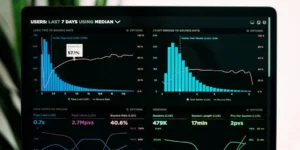
In today’s fast-paced investment landscape, having access to up-to-the-minute information is no longer a luxury – it’s a necessity. An investment monitoring system provides just that: a real-time view of your portfolio’s performance, allowing for quicker, more informed decisions. No more waiting for end-of-day reports or relying on outdated data. With real-time tracking, you can see exactly how your investments are performing at any given moment. Imagine being able to react instantly to market fluctuations or identify potential risks before they escalate. That’s the power of real-time portfolio tracking. It’s about having the insights you need, when you need them, to make strategic adjustments and maximise your returns. It’s about moving from reactive to proactive investment management. Real-time data empowers investors to make timely decisions, capitalise on opportunities, and mitigate risks effectively. It’s a game-changer for anyone serious about growing their wealth. With a clear, current view of your investments, you can make smarter choices, leading to better outcomes. It’s about taking control of your financial future and making every investment count. For example, strategic asset allocation can be monitored in real time to ensure it aligns with your investment goals. Here are some ways real-time tracking helps:
- Immediate insights: See your portfolio’s performance as it happens.
- Faster reactions: Respond quickly to market changes and emerging opportunities.
- Improved decision-making: Make informed choices based on the latest data.
Improved Risk Management and Loss Prevention
Investment monitoring systems aren’t just about watching your portfolio grow; they’re also about keeping a close eye on potential risks and preventing losses. Think of it as having a security system for your investments. It’s about being proactive, not reactive. A robust investment monitoring system can significantly reduce your exposure to various financial risks. It helps you identify potential problems early on, so you can take action before they escalate. It’s like having an early warning system for your investments. Here’s how it helps:
- Early Detection of Red Flags: The system can flag unusual activity, like sudden drops in value or unexpected transactions, alerting you to potential problems before they cause significant damage. This is especially important in volatile markets.
- Diversification Analysis: A good system will analyse your portfolio’s diversification, highlighting areas where you might be overexposed to certain assets or sectors. This helps you spread your risk more effectively.
- Stress Testing: Investment monitoring systems can simulate different market scenarios to see how your portfolio would perform under stress. This allows you to identify vulnerabilities and adjust your strategy accordingly.
Using an investment monitoring system is like having a financial bodyguard. It’s there to protect your assets and help you sleep better at night, knowing that your investments are being watched over. Imagine you’re managing a diverse portfolio. Without a monitoring system, you might miss a critical shift in a particular sector until it’s too late. With real-time portfolio tracking, you can spot the trend early and adjust your holdings to minimise losses. It’s about staying ahead of the curve. Consider this simple example:
| Risk Factor | Without a Monitoring System | With the Monitoring System | Outcome |
| Market Volatility | Reacting to news | Proactive adjustments | Reduced losses, potentially higher gains |
| Sector Concentration | Unaware of overexposure | Balanced portfolio | Lower risk, more stable returns |
| Fraudulent Activity | Delayed detection | Immediate alerts | Minimised financial damage |
Ultimately, investment monitoring systems provide peace of mind. They help you manage risk, prevent losses, and make smarter investment decisions. It’s an investment in itself, protecting your financial future.
Centralized Investment Reporting and Performance Insights
Keeping track of all your investments can feel like herding cats, right? You’ve got data scattered across different platforms, spreadsheets, and maybe even a few scraps of paper. An investment monitoring system pulls all that information into one place, making it way easier to see the big picture. This centralised view is a game-changer for understanding how your investments are performing. Imagine not having to log into multiple accounts just to check your portfolio’s overall health. It’s about time we had complete control over our investments.
- Consolidated Data: No more jumping between different systems. Everything is in one spot.
- Simplified Reporting: Generate reports quickly and easily, without manual data entry.
- Improved Accuracy: Reduce errors by automating data collection and reporting.
Having all your investment data in one place isn’t just convenient; it’s about having a clear, accurate view of your financial situation. This clarity allows for better decision-making and a more strategic approach to investing. With a centralised system, you can quickly identify trends, spot potential problems, and make informed decisions based on real-time data. It’s about working smarter, not harder, and getting a better handle on your financial future.
Better Compliance and Regulatory Reporting
Keeping up with compliance and regulatory reporting can feel like a never-ending game of catch-up, especially with the rules always changing. An investment monitoring system can be a real lifesaver here, helping you stay on top of things and avoid those nasty penalties. An investment monitoring system helps automate regulatory reporting, offering real-time compliance monitoring through alerts, and preventing issues. Think of it this way: instead of manually sifting through piles of data, the system does it for you, flagging anything that looks suspicious or doesn’t quite fit the rules. This not only saves you a heap of time but also reduces the risk of human error, which can be a big problem when it comes to compliance. Here’s why it’s so important:
- It streamlines data collection, pulling information from different sources into one place.
- It reduces manual errors, because let’s face it, we all make mistakes when we’re doing repetitive tasks.
- It ensures accuracy, so you can be confident that your reports are spot-on.
Using an investment monitoring system for compliance isn’t just about ticking boxes; it’s about building trust with your clients and stakeholders. It shows that you’re serious about following the rules and protecting their investments. By using a system like this, you’re not just meeting your obligations; you’re also making your whole operation more efficient and secure. It’s a win-win. Plus, with the way regulations are heading, it’s becoming less of a ‘nice-to-have’ and more of a ‘must-have’. For example, Australia’s Tranche 2 AML/CTF reforms require scalable compliance for many businesses. So, getting on board now can save you a lot of headaches down the track.
Enhance Transparency with Clients and Stakeholders
In the world of investments, keeping everyone in the loop is super important. An investment monitoring system can help with that. It’s all about making sure your clients and stakeholders know exactly what’s going on with their money. This builds trust and strengthens relationships, which is good for everyone involved. Think about it: no one likes surprises when it comes to their investments. With a good system, you can provide clear, up-to-date information, so there are fewer questions and more confidence. It’s about being open and honest, and that goes a long way. Here’s why it matters:
- Clear Communication: You can easily share reports and updates, so clients always know where they stand.
- Increased Trust: When people see you’re transparent, they’re more likely to trust you with their money.
- Better Relationships: Open communication leads to stronger, more lasting relationships with your clients.
Investment monitoring systems aren’t just about tracking numbers; they’re about building solid relationships based on trust and transparency. It’s about showing your clients you care about their financial well-being and are committed to keeping them informed every step of the way. This approach can improve morale and engagement. Ultimately, it’s about making sure everyone feels comfortable and confident with their investments. And that’s something we can all get behind.
Custom Alerts and Notifications for Market Movements
Staying on top of market changes can feel like a full-time job, right? That’s where custom alerts and notifications come in super handy. Instead of constantly refreshing your screen, you can set up the system to tell you when something important happens. Think of it as your market-watching assistant. Investment monitoring systems let you create alerts based on specific criteria, so you only get notified about the things that actually matter to you. Here’s why this is a game-changer:
- Targeted Information: You’re not bombarded with irrelevant news. You get alerts about the stocks, bonds, or other assets you’re tracking.
- Timely Action: You can react quickly to market movements, whether it’s buying, selling, or just re-evaluating your position.
- Reduced Stress: No more constant checking. You can relax knowing you’ll be notified if something significant happens.
Imagine you’re waiting for a particular stock to hit a certain price before buying. Instead of checking the price every hour, you set up an alert. When the stock hits your target, you get a notification, and you can make your move. It’s all about working smarter, not harder. These alerts can be tailored to all sorts of things. Here are a few examples:
- Price Movements: Get notified when a stock price goes above or below a certain level.
- Volume Spikes: See when trading volume increases significantly, which could indicate a big move is coming.
- News Events: Receive alerts about news that could impact your investments, like company announcements or economic data releases.
Think about it – you could be at the beach, at work, or even asleep, and you’ll still know what’s happening with your investments. It’s a pretty powerful tool to have in your corner. You can use a real-time stock alert app to stay informed.
Time and Cost Efficiency for Financial Advisors and Firms
Investment monitoring systems aren’t just about getting better insights; they’re also about saving time and money. For financial advisors and firms, these systems can be a game-changer, freeing up resources and boosting productivity. Let’s be real, time is money, and these systems help you hold onto both. Investment monitoring systems can significantly reduce the manual effort involved in tracking investments, generating reports, and ensuring compliance. Here’s how:
- Automated Reporting: No more spending hours compiling data. Reports are generated automatically, saving heaps of time.
- Reduced Errors: Automation cuts down on manual errors, which can be costly to fix.
- Improved Compliance: Systems help ensure you’re meeting regulatory requirements, reducing the risk of fines and penalties.
Think of it this way: instead of your team spending hours on tedious tasks, they can focus on what they do best – advising clients and growing your business. It’s about working smarter, not harder. Real-time data and automated processes mean less time spent on admin and more time on client relationships. It’s a win-win.
Data-Driven Investment Strategies Through Analytics
Investment monitoring systems aren’t just about keeping tabs on your current investments; they’re also about using data to make smarter choices moving forward. Think of it as having a super-powered research assistant that never sleeps, constantly crunching numbers and spotting opportunities. The ability to analyse investment data is a game-changer. It allows you to move beyond gut feelings and base your decisions on solid evidence. No more guessing – just informed, strategic moves.
- Identify emerging trends before they become mainstream.
- Assess the performance of different asset classes with precision.
- Fine-tune your portfolio allocation based on real-time insights.
By using analytics, you can see what’s working, what’s not, and where the potential lies. It’s about turning raw data into actionable intelligence. With the right system, you can also backtest different investment strategies to see how they would have performed in the past. This helps you refine your approach and build confidence in your future decisions. It’s like having a crystal ball, but instead of magic, it’s powered by data. This is especially useful when considering system-level risks and how they might impact your portfolio. Here’s a simple example of how data analytics can inform investment decisions:
| Metric | Portfolio A | Portfolio B | Insight |
| Sharpe Ratio | 1.2 | 1.5 | Portfolio B offers better risk-adjusted returns |
| Alpha | 0.8 | 1.1 | Portfolio B is generating more excess return |
| Beta | 0.9 | 1.1 | Portfolio B is more sensitive to market movements |
Integration with Other Financial Tools and Platforms
Okay, so picture this: your investment monitoring system isn’t some isolated island. It’s more like the central hub in your financial ecosystem. It needs to play nice with all your other tools. Think accounting software, financial management platforms, trading platforms, and even your CRM. If they don’t talk to each other, you’re stuck manually transferring data, which is a massive time-waster and prone to errors. Nobody wants that. A good investment monitoring system should integrate smoothly with the tools you already use. This means APIs, data feeds, and pre-built connectors that make the whole process a breeze. Here’s why it matters:
- Reduced Manual Work: No more copy-pasting data between systems. Automate the flow of information and free up your time for you know, actual investing.
- Improved Data Accuracy: Manual data entry is a recipe for mistakes. Integration minimises errors and ensures you’re working with reliable information.
- Better Decision-Making: When all your financial data is in one place, you get a much clearer picture of your overall financial health. This leads to smarter, more informed investment decisions.
Imagine having to check three different platforms just to get a basic overview of your portfolio. It’s a nightmare! Integration solves this problem by bringing everything together in a single, easy-to-access dashboard. Basically, integration is all about making your life easier and your investment process more efficient. If your current system doesn’t play well with others, it might be time for an upgrade.
Frequently Asked Questions
What exactly is an investment monitoring system?
An investment monitoring system is a clever bit of kit that helps you keep an eye on all your investments. Think of it like a personal financial assistant that tracks how your money is doing, spots any potential issues, and gives you the lowdown on your portfolio’s health. It’s all about making sure your investments are on the right track and helping you make smart choices.
Why is investment monitoring so crucial these days?
These systems are super important because the world of money is always changing. In 2025 and beyond, things like new technologies and global events can really shake up the market. An investment monitoring system helps you stay on top of these changes, react quickly, and protect your hard-earned cash. It’s like having a crystal ball for your finances, helping you see what’s coming.
What are the main advantages of using one of these systems?
There are heaps of benefits! These systems help you track your money in real-time, manage risks better, and give you clear reports on how your investments are performing. They also help with following rules, being open with your clients, and getting alerts for big market shifts. Plus, they save you time and money, and help you make decisions based on solid data.
Can these systems help me make quicker, smarter investment choices?
Absolutely! These systems let you see exactly what your investments are doing at any moment. This means you can make quick, informed decisions instead of waiting around. It’s like having a live dashboard of your financial world, so you’re always in control and can react to opportunities or problems as they pop up.
How do these systems help with managing risks and preventing losses?
You bet! A good monitoring system is like having a financial bodyguard. It helps you spot potential problems early, like an investment that’s not doing well, so you can do something about it before it gets worse. This means less risk of losing money and more peace of mind. It’s all about being proactive and protecting your assets.
Do they make reporting and understanding performance easier?
These systems bring all your investment information together in one spot, making it easy to see how everything is performing. No more sifting through piles of paperwork! You get clear, easy-to-understand reports that show you what’s working and what’s not, helping you understand your financial picture better.
Are they useful for staying compliant with financial rules?
Definitely. The financial world has lots of rules and regulations. These systems help you keep track of everything, making sure you’re always playing by the book. This means less stress about audits and fewer chances of getting into trouble with the authorities. It’s like having a built-in compliance officer.
Can they improve how transparent I am with clients?
They sure do. By giving you clear, up-to-date information, these systems help you be more open and honest with your clients and anyone else who has a stake in your investments. When everyone can see what’s going on, it builds trust and makes for better relationships. It’s all about clear communication and showing you’ve got things under control.