A blue slip in NSW costs approximately $66–$75 for light vehicles (inspection only, including GST) quick answer for how much is a blue slip NSW.
You need a blue slip if your registration expired more than 3 months ago, your vehicle is unregistered, or you’re transferring an interstate vehicle. Repairs (if required) are extra, and the certificate is valid for 42 days.
A blue slip inspection confirms both vehicle safety and identity before registration through Service NSW. Pricing may vary slightly between Authorised Inspection Stations.
How Much Does a Blue Slip Cost in NSW
A blue slip in NSW currently costs between $66 and $75 for most light vehicles, depending on the Authorised Inspection Station. This fee covers the safety and identity inspection required for unregistered, expired, or interstate vehicles before registration through Service NSW.
If your car needs repairs to pass, those costs are separate.
Below, you’ll find current pricing, when a blue slip is required, what’s checked, how long inspections take, and where to book locally.
Light vehicles (cars, motorcycles, trailers ≤4.5t): $66–$75
Repairable write-offs (VIIU): from $550+
What Is a Blue Slip in NSW?
A blue slip (AUVIS inspection) is a safety and identity check required for unregistered or interstate vehicles in NSW. Basically, a blue slip, officially known as an AUVIS (Authorised Unregistered Vehicle Inspection Scheme) inspection, is a more thorough check than your standard pink slip. It’s all about confirming that a vehicle is safe to be on the road and that its identity details are correct.
When do you actually need one of these? Well, it’s not for your everyday rego renewal. You’ll typically need a blue slip if your vehicle is unregistered, has been unregistered for a while, or if it’s coming into NSW from another state and needs to be registered here. It’s also a requirement for certain types of vehicles, like those that have been written off and repaired (though that involves a separate, more intensive process called VIIU). It’s a bit of a hurdle, but it’s there to make sure everything’s above board.
It’s important to know that the blue slip inspection itself is just that – an inspection. It doesn’t cover things like a full mechanical diagnosis, checking the service history, or fixing any cosmetic issues that don’t affect safety. The main goal is safety and identity verification. You can find more details on vehicle safety inspections across Australia, which might help clarify the different types of checks available.
Getting a blue slip isn’t just about ticking boxes; it’s about ensuring that the vehicle you’re about to put back on the road, or bring into the state, is genuinely safe and correctly identified. The inspection is valid for 42 days, so you’ll want to get any necessary repairs done and the registration sorted within that timeframe. If you fail, you’ll need to address the issues and get it re-inspected, which means more time and money, so it pays to be prepared.
When Do You Need a Blue Slip in NSW?
There’s a few real-life situations where a blue slip is required in New South Wales, and it’s worth knowing them so you don’t get caught out at the registry or waste time with the wrong inspection. The core idea: a blue slip is the ticket for cars and light vehicles that aren’t currently registered in NSW, whether you just bought it, lost rego, or it’s a mystery machine from out of state. If you’re ever unsure, the rule of thumb is: no active NSW rego, you probably need a blue slip.
You’ll need a blue slip if:
- The vehicle’s registration has expired for more than three months
- You’re registering a vehicle in NSW that was previously registered interstate
- You’re bringing in an unregistered vehicle, including imports, to put it on the road legally
- The vehicle’s registration has been cancelled (not just lapsed)
- You’ve bought a car at auction that is not registered
- The car is a repairable write-off that’s approved for re-registration
- There’s no clear previous registration history, or it’s had a major identity change
Here’s a quick breakdown of when a blue slip inspection is triggered versus other certificate types, which might help clarify:
| Reason for Inspection | Type Needed |
| Registration renewal | Pink slip |
| Intermittent/unregistered car | Blue slip |
| Interstate registration transfer | Blue slip |
| Registration expired >3 months | Blue slip |
| Transfer of registered vehicle | Pink slip (if required) |
| Re-register write-off | Blue slip, additional steps |
Blue slips aren’t only for those trying to register a car after it’s been off the road for ages—they’re also needed if you move to NSW and want to transfer an interstate rego, or if you’re dealing with something like a repairable write-off. Sorting the paperwork in advance and knowing where your car fits saves a ton of hassle, so it’s always worth double-checking your situation before you book an appointment. If you’re starting with a brand-new car, though, registration requirements work a bit differently—registering a new light vehicle doesn’t need a blue slip, for example.
Blue Slip vs Pink Slip Cost: What’s the Difference?
Let find out the cost of getting your vehicle checked out in NSW, specifically the difference between a blue slip and a pink slip. It’s easy to get them mixed up, but they’re for totally different situations, and that affects the price you’ll pay.
First off, a pink slip, officially called an eSafety check, is what you generally need if your car is over five years old and you’re just renewing its registration. Think of it as a standard check-up to make sure your everyday car is still roadworthy. The blue slip, on the other hand, is a more thorough inspection. It’s officially known as an AUVIS (Accessory Unit Vehicle Inspection System) inspection. You’ll need this if your vehicle is unregistered, has been unregistered for a while, or if it’s coming from interstate and needs to be registered here in NSW.
So, when it comes to the blue slip cost, you’re looking at a bit more than a pink slip. The NSW government sets regulated fees for these inspections. A pink slip usually comes in around $42, give or take, including GST. A blue slip, however, is typically about $66, also including GST. That extra cost for the blue slip reflects the more in-depth check, especially the identity verification part, which isn’t part of a standard pink slip.
Here’s a quick rundown:
- Pink Slip (eSafety Check):
- Purpose: Registration renewal for vehicles over 5 years old.
- Approximate Cost: Around $42 (inc. GST).
- Validity: 6 months.
- Outcome: Results are sent electronically to Transport for NSW.
- Blue Slip (AUVIS):
- Purpose: For unregistered, expired, or interstate vehicles needing NSW registration.
- Approximate Cost: Around $66 (inc. GST).
- Validity: 42 days.
- Outcome: You get a physical certificate, and it includes an identity check.
Remember, these prices are for the inspection itself. If your car fails either inspection, you’ll have to get the necessary repairs done. The cost of those repairs is separate from the inspection fee. You’ll then likely need to get the inspection done again, which might mean paying another inspection fee, depending on the circumstances and how long it takes you to get it fixed and re-inspected.
Essentially, the blue slip cost is higher because it’s a more comprehensive check, covering not just safety but also the vehicle’s identity, which is vital for bringing unregistered or interstate vehicles into the NSW system. A pink slip is more of a routine check for vehicles already on the road and registered.
What’s Checked During a Blue Slip Inspection
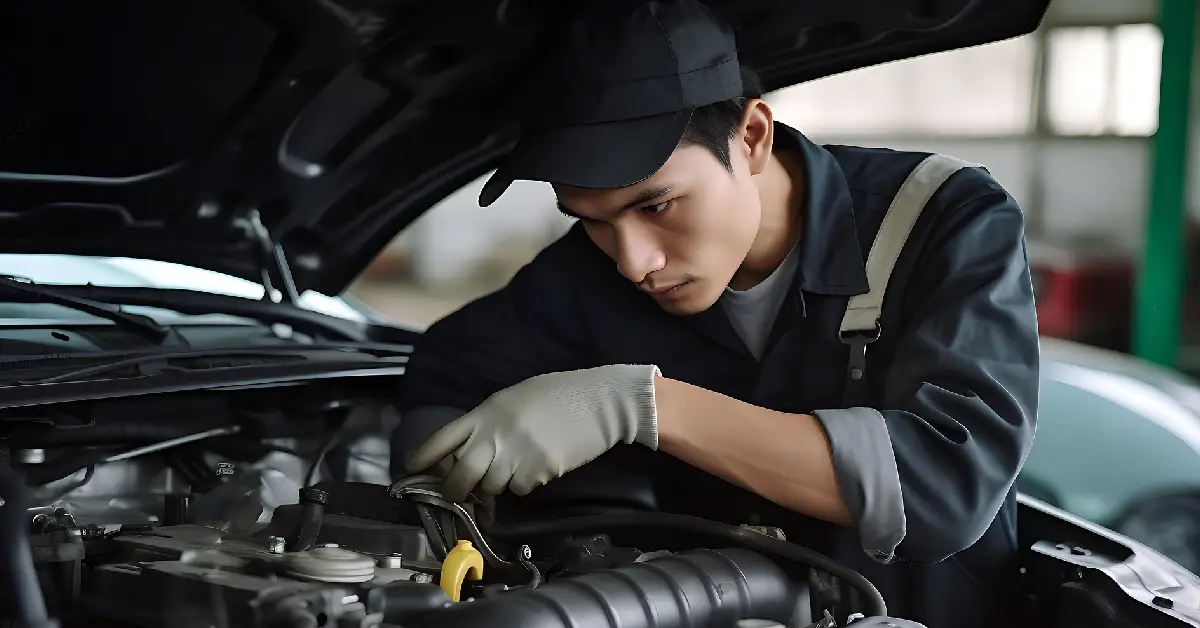
So, you’ve got a blue slip inspection coming up for your car in NSW. What exactly are they looking at under that bonnet and all over the chassis? They’re basically making sure your vehicle is safe to be back on the road and that it is actually the vehicle it claims to be.
Think of it as a thorough check-up, but instead of your doctor looking at your heart, they’re looking at your car’s vital signs. This includes a good, hard look at the safety-critical bits. We’re talking about things like:
- Tyres and Wheels: They’ll check the tread depth – no baldies allowed! – and make sure there’s no weird damage or cracks on the tyres or wheels themselves. They also check if the wheels are securely attached.
- Brakes: This is a big one. They’ll test both your foot brake and your park brake (handbrake) to make sure they’re up to scratch and can stop you safely. They’re looking for proper function and no signs of excessive wear.
- Steering and Suspension: They’ll check for any excessive play or wear in the steering system, and make sure the suspension components aren’t damaged or leaking fluid. You don’t want your car wandering all over the road, do you?
- Lights and Electrics: All your lights need to be working – headlights, tail lights, brake lights, indicators, even the little number plate light. The horn needs to be functional too. They’ll also check for any warning lights showing up on the dashboard.
- Glazing and Visibility: This covers your windscreen, windows, and mirrors. They’ll check for cracks or damage that could affect your view. The wipers and washers also need to be working properly to keep that windscreen clear.
- Structure and Restraints: They’ll look for any rust or damage that might compromise the car’s structural integrity. Seatbelts are also checked to ensure they’re securely mounted and in good condition.
On top of all that, a blue slip has a special focus on identity verification. This means they’ll be checking:
- VIN and Compliance Plates: Making sure the Vehicle Identification Number (VIN) and compliance plates are present, legible, securely attached, and match the vehicle’s documentation.
- Paperwork: They’ll verify your vehicle’s documentation, including any modification approvals if applicable.
It’s important to remember that a blue slip inspection isn’t a full mechanical diagnosis or a cosmetic appraisal. They’re not going to tell you if your engine is about to conk out from old age, or if your paint job has a few too many scratches. The focus is strictly on safety and identity, ensuring the vehicle meets the minimum legal standards for registration.
Basically, they want to make sure your car isn’t going to fall apart on the highway and that it’s not a stolen vehicle or something dodgy. It’s a pretty straightforward process if your car is in decent nick.
Common Reasons Cars Fail a Blue Slip
A few common issues pop up that can send you back to the mechanic. One of the big ones is tyres. They’re not just about looks; they’ve got to have decent tread depth and be in good condition. If they’re worn down, cracked, or have any nasty bulges, that’s an automatic fail. The same goes for the brakes – the main ones and the handbrake need to be working properly. Inspectors will check if the park brake can actually hold the car.
Then there are the lights. All of them. Headlights, tail lights, indicators, brake lights, and even the little one for your number plate. If any are out, flickering, or the wrong colour, it’s a fail. The horn needs to work too, and don’t forget your windscreen wipers and washers – they’ve got to clear the screen properly.
Here’s a quick rundown of other frequent fail points:
- Windscreen and Visibility: Cracks or chips that obstruct your view, or dodgy wipers/washers, will cause a fail.
- Exhaust System: Leaks, excessive noise, or missing parts like catalytic converters are no-gos. Emissions tests are also part of it.
- Fluid Leaks: Any significant oil, coolant, or brake fluid leaks under the car are a safety hazard and mean you won’t pass.
- Structural Damage: Serious rust or damage that compromises the car’s integrity, especially around key structural areas, will fail the inspection.
- Seatbelts: All seatbelts need to be present, in good condition, and securely mounted.
It’s also worth remembering that the inspection is about safety and identity. Things like cosmetic damage that doesn’t affect safety, or engine performance issues that aren’t causing emissions problems, usually won’t cause a fail. But if your car’s VIN or compliance plate is damaged or doesn’t match the paperwork, that’s a problem.
If your vehicle doesn’t pass the inspection, you’ll need to get the necessary repairs completed before it can be re-inspected. Just be sure to ask about any re-inspection fees upfront, as these can vary between inspection stations.
How to Prepare Your Car for a Blue Slip
Alright, so you’ve got your blue slip inspection booked, and you want to make sure you get through it without any dramas. It’s not rocket science, but a bit of prep work can save you a heap of hassle and, more importantly, cash. Nobody wants to pay for a re-inspection, right?
First things first, get your paperwork sorted. You’ll need proof of identity, like your driver’s licence, and documentation showing ownership or authority to present the vehicle. If you’ve made any modifications, make sure you’ve got the approval certificates for those too. It’s also a good idea to give the compliance plate and VIN sticker a quick wipe down – make sure they’re clean and easy to read. Inspectors need to be able to match them up easily.
Then, give your car a good once-over. Think about what they’re actually checking. It’s all about roadworthiness and safety. So, check:
- Lights and Horn: Make sure all your exterior lights are working – headlights, tail lights, brake lights, indicators, and even the little number plate light. Don’t forget the horn; it needs to be loud and clear. Also, check your dashboard warning lights; you don’t want any of those glowing.
- Tyres and Brakes: Look at your tyres. Do they have enough tread? Are they inflated correctly? Give the brakes a gentle test – do they feel okay? And check for any obvious fluid leaks under the car.
- Visibility and Safety Gear: Your windscreen needs to be clear, with no big cracks. Wipers and washers should be working properly. Check your seatbelts – are they all functioning correctly? Mirrors need to be in place and secure. Oh, and if you’ve got a wheel lock nut, make sure you’ve got the key handy!
- Fluids and General Condition: Top up your windscreen washer fluid. Make sure there’s enough fuel in the tank for them to run the engine. Remove any loose items from the cabin and boot that could roll around or get in the way.
By taking a bit of time to prepare, you’re setting yourself up for a smoother inspection and avoiding those annoying extra costs. Good luck!
How Long Does a Blue Slip Take?
So, you’re wondering how long you’ll be without your car while it gets its blue slip inspection done in NSW? It’s a fair question, and the answer isn’t a simple one-size-fits-all. Generally, the actual inspection itself is pretty quick. Most authorised mechanics or inspection stations can get it done in about 30 to 60 minutes. They’re not doing a deep dive into every single nut and bolt, but rather a thorough check of the essentials to make sure your vehicle is safe and its identity is correct.
However, that’s just the time spent at the inspection station. You’ve also got to factor in:
- Booking the appointment: Depending on how busy your local mechanic is, you might have to wait a day or two, or even longer if you’re in a really popular area.
- Travel time: Getting your car to and from the inspection station.
- Potential for re-inspection: If, by chance, your car doesn’t pass the first time (which we’ll cover more later), you’ll need to get the issues fixed and then book another inspection. This can add significant time, depending on how quickly you can get the repairs done and rebooked.
So, while the inspection itself might only take an hour, the whole process from booking to getting that all-important blue slip could stretch out over a few days, especially if you hit any snags.
It’s always a good idea to call ahead and get an idea of their current wait times for bookings and inspections. Some places might offer walk-in appointments, but it’s rare, and you could end up waiting around for ages.
Remember, the blue slip itself is only valid for 42 days from the date of inspection. So, once you’ve got it, make sure you get your registration sorted promptly before it expires!
Where to Get a Blue Slip in NSW
So, you need a blue slip in NSW? Finding out where to get one is pretty straightforward. Basically, you’ll be heading to an Authorised Inspection Station (AIS). These are licensed mechanics and workshops that the NSW government has approved to carry out these specific inspections.
Think of them as official inspection centres. You can usually find a list of these stations on the Service NSW website, or you can just do a quick online search for ‘Authorised Inspection Station NSW’ and your local area. It’s a good idea to call ahead and book an appointment, especially if you’re not in a major city. Some places might be really busy, and you don’t want to be hanging around waiting.
Here’s a quick rundown of what to expect:
- Authorised Inspection Stations (AIS): These are your go-to places. They’re private businesses that have met the government’s standards to perform blue slip inspections.
- Service NSW Centres: While most inspections are done at AIS, some Service NSW centres might offer limited inspection services or can point you in the right direction.
- Mobile Inspectors: In some areas, you might even find mobile inspectors who can come to you. This can be super convenient if you can’t easily get your vehicle to a workshop.
When you’re looking for a place, make sure they explicitly state they do ‘Blue Slips’ or ‘AUVIS’ (which is the official name for the blue slip inspection in NSW). It’s also worth checking their operating hours and if they have specific times for inspections. Some places might only do them on certain days or at certain times of the day.
Remember, the blue slip is a safety and identity check. It’s not a full mechanical overhaul, but it does confirm your vehicle meets the minimum standards to be registered. Make sure the station you choose is properly accredited.
It’s also a good idea to check the Service NSW website for the most up-to-date list of authorised stations and any specific requirements. Getting the right paperwork sorted before you go can save you a lot of hassle, so double-check what you need to bring along.
Blue slip inspections are performed at authorised stations approved by Transport for NSW and lodged through Service NSW.
Frequently Asked Questions
Can I drive my car to the blue slip inspection if it’s unregistered?
Generally, no. If your car isn’t registered, you can’t legally drive it on the road to get a blue slip. You’ll likely need to arrange for it to be towed or use a special permit if allowed in specific circumstances. It’s best to check with the inspection station beforehand.
How long is a blue slip valid for?
Once you get your blue slip, it’s valid for 42 days. This means you need to get your vehicle registered or sorted out within that time frame, or you’ll have to go through the inspection process all over again.
What happens if my car fails the blue slip inspection?
If your car doesn’t pass the blue slip inspection, the mechanic will give you a list of all the things that need fixing. You’ll then need to get those repairs done and take your car back for another inspection. Keep in mind that a re-inspection might cost extra, so it’s worth asking about that when you first book.
Where can I get a blue slip inspection done in NSW?
You can get a blue slip inspection at Authorised Inspection Stations (AIS) across NSW. These are usually mechanics or workshops that are licensed by the government to perform these checks. It’s a good idea to find one near you and maybe even book an appointment to avoid waiting around.