Why Is There A Shortage Of Eggs In Australia
So, why is there an egg shortage in Australia right now? It feels like everywhere you look, the egg cartons are empty, or there are limits on how many you can buy. It’s a bit of a head-scratcher, especially when eggs have always been such a reliable staple in our kitchens. The truth is, it’s not just one thing, but a whole bunch of issues piling up at once.
It’s a complex situation, and figuring out why egg shortage Australia is happening involves looking at disease, farming practices, and the general cost of doing business.
Globally, other countries are also grappling with similar issues, with factors like disease and rising costs impacting egg supplies worldwide. This means Australia isn’t alone in this challenge, and finding solutions might take time and coordinated effort. The Australian agriculture sector is a significant part of our economy, and understanding these pressures is key to its future. See the current state of Australian agriculture.
What Is Causing the Egg Shortage in Australia?
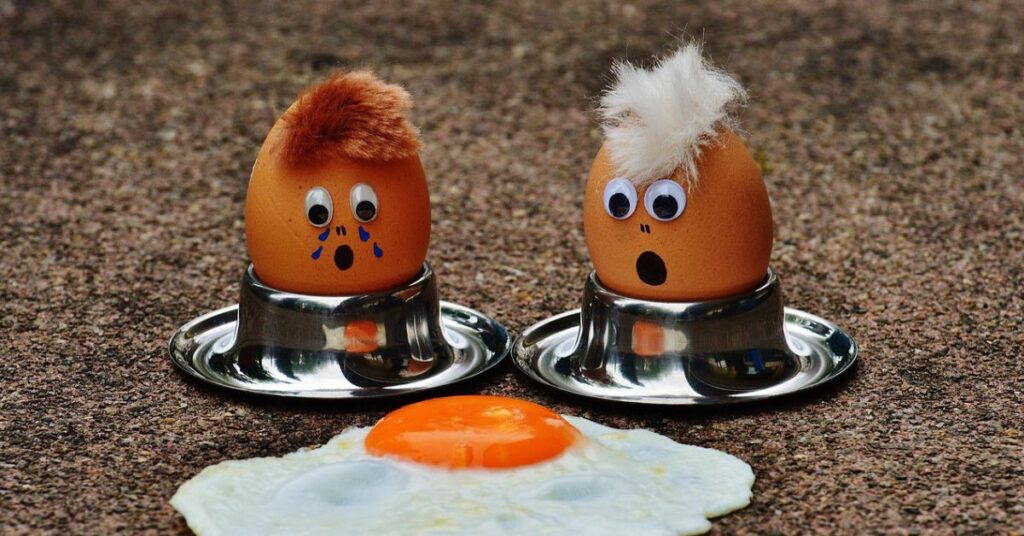
So, why are egg cartons looking a bit sad and empty at the shops lately? It’s not just one thing, really. It’s a bit of a perfect storm, and it’s affecting egg farmers and us consumers alike.
Impact of Cage-Free Egg Regulations
Australia’s egg industry is in the middle of a big change. We’re moving away from caged egg production, which is great for the hens, but it means farms need to change how they operate. This transition takes time and money. Building new barns or setting up free-range systems isn’t an overnight job. While this shift is happening, it can temporarily reduce the number of eggs being produced. It’s a bit like renovating your kitchen – you can’t cook as easily while the work is going on.
Avian Influenza and Biosecurity Issues
This has been a major blow. We’ve seen some pretty serious bird flu outbreaks, especially in New South Wales and Victoria. To stop the spread, sadly, a lot of birds have had to be culled. We’re talking millions of hens gone. This directly cuts down the number of laying hens, and it takes a good while to raise new birds to the point where they start laying eggs again. It’s a tough situation for the farmers and a big hit to the overall supply.
Rising Production Costs for Egg Farmers
It’s not just about the birds, though. The cost of actually producing eggs has gone up quite a bit. Think about the price of feed for the chickens – that’s gone up. Energy costs, transport, labour – it all adds up. When farmers are spending more to produce eggs, they have to charge more, and sometimes, if costs get too high, it can make it harder for them to keep going at full steam. This makes it tough to keep shelves stocked.
Supply Chain and Distribution Challenges
Even when eggs are laid, getting them to your local supermarket isn’t always straightforward. The whole process, from the farm to the grading centre, to packing and then delivery, is a complex chain. Any hiccup along the way – whether it’s transport issues, labour shortages, or just managing the flow of eggs from farms that are recovering from disease – can cause delays and make it harder to get eggs where they need to be. It’s a bit like a game of dominoes; if one piece falls, it can affect the rest.
Increased Demand for Eggs
Sometimes, it’s just a case of more people wanting eggs. During certain times of the year, like holidays or summer when people are baking more or having BBQs, demand for eggs naturally goes up. When you combine this higher demand with a reduced supply from things like bird flu or the transition to cage-free systems, the shortage becomes much more noticeable. It’s basic economics: when there’s more demand than supply, things get scarce.
It’s a bit of a juggling act for everyone involved. The industry is working hard to get back on its feet, but it’s going to take some time. We’re seeing some farms recover faster than expected, which can sometimes lead to an oversupply in certain regions as eggs move interstate, causing price instability. It’s a dynamic situation, and farmers are facing new market conditions.
How Long Will the Egg Shortage Last in Australia?
It’s the million-dollar question, isn’t it? When will we see those egg cartons back on the shelves in full force? Honestly, it’s not a simple ‘next week’ answer. The general consensus from folks in the industry is that we’re looking at a bit of a wait. We’re talking about a situation that’s been brewing for a while, thanks to a few different things hitting at once.

First off, the bird flu outbreaks earlier in 2024 really knocked the industry around. When you have to cull over a million birds to keep things safe, that’s a massive hit to the number of hens laying eggs. It takes a good chunk of time – months, really – to raise new flocks to the point where they start laying. So, that’s a big chunk of lost production that needs to be built back up.
Then there’s the whole shift away from caged eggs. Farmers are investing in new systems, which is great for the hens, but it takes time and money. During this transition, production can dip. Plus, the supply chain itself has had its hiccups, from getting feed to getting eggs to the shops. All these things add up.
So, how long exactly? Experts are suggesting that supply might stay a bit patchy right through to late 2025. It’s not like things will snap back overnight. We might see periods where things look better, followed by dips again. It’s a bit of a bumpy road ahead.
Here’s a rough idea of what to expect:
- Short-term (next few months): Expect continued limits and higher prices. Supermarkets will still be managing what little supply they get.
- Medium-term (late 2025): Production should start to pick up more steadily as new flocks mature and farms adapt. However, prices might not drop back to pre-shortage levels for a while.
- Long-term (2026 onwards): The industry is working hard to rebuild, but the landscape has changed. We might be looking at a ‘new normal’ where eggs are a bit more expensive and supply is less predictable than we’re used to. It’s a tough pill to swallow, but it seems like the era of super cheap, always-available eggs might be behind us.
It’s a complex situation, and while the industry is resilient, it’s going to take a while for everything to get back on an even keel. We’re seeing similar issues pop up in other countries too, like the US, which has also had to cull millions of birds. So, it’s not just an Australian problem, but it does mean we’ll be feeling the effects for some time.
How the Egg Shortage Affects Consumers and Businesses
It’s a bit of a headache, isn’t it? Walking into the supermarket and seeing those near-empty egg cartons, or worse, signs limiting how many you can buy. For us at home, it means rethinking breakfast plans or finding a new go-to for baking. Suddenly, that simple omelette or batch of cookies isn’t as straightforward.
Businesses are feeling the pinch too, and probably more so. Cafes and restaurants rely on eggs for so many dishes, from their famous brunch menus to desserts. When supply gets tight, they’re often at the back of the queue compared to big supermarkets, meaning they might struggle to get enough stock to keep their menus as they were. This can lead to menu changes, higher prices passed onto us, or even just plain disappointment for customers.
Here’s a bit of a breakdown of what’s happening:
- Higher Prices: This is the most obvious one. With fewer eggs around, the cost goes up. We’re seeing prices jump, making eggs a less budget-friendly option than they used to be.
- Limited Availability: Empty shelves are becoming a common sight. This means we might have to shop around or go without.
- Menu Adjustments for Businesses: Restaurants and cafes might have to remove egg dishes, charge more for them, or find substitutes, which isn’t always easy.
- Supply Chain Strain: Businesses that supply food services, like Padstow Food Service, are finding it tough to get consistent orders in, impacting their ability to serve their own clients.
The days of eggs being an incredibly cheap and always-available staple might be shifting. It’s not just about a temporary blip; it’s about a whole industry adjusting to new realities like disease control and changing farming practices. This means we might need to get used to a slightly different egg market for a while.
It’s not just here in Australia, either. Countries all over the world are dealing with similar issues, which shows how interconnected things are. For now, it seems we’ll have to be a bit more patient and perhaps a bit more appreciative of those eggs when we do find them on the shelves. You can keep up with general Australian financial news to see how broader economic factors might play a role.
What Families Can Do During the Egg Shortage
Right now, finding eggs in the supermarket can feel like a treasure hunt, can’t it? With shelves looking a bit bare and prices going up, it’s a bit of a pain for families trying to get their usual brekkie or bake on. But don’t despair! There are definitely ways to manage.
First off, let’s talk about being smart with what you’ve got. Eggs are pretty versatile, but maybe it’s time to explore some egg-free recipes. Think pancakes made with banana and oats, or frittatas using just veggies and cheese. You might be surprised at how many delicious meals don’t actually need eggs.
Here are a few ideas to get you started:
- Get creative with breakfast: Swap scrambled eggs for overnight oats, a fruit smoothie, or even some baked beans on toast. There are heaps of ways to start the day without reaching for the carton.
- Baking alternatives: For cakes and muffins, try using mashed banana, applesauce, or even a flax egg (one tablespoon of ground flaxseed mixed with three tablespoons of water, left to sit for a few minutes) as a binder. It might change the texture a little, but it often works a treat.
- Boost protein elsewhere: Eggs are a great protein source, but so are things like lentils, beans, chickpeas, tofu, and even nuts and seeds. Incorporating these into your meals can help keep everyone feeling full and satisfied.
It’s also worth thinking about where you’re buying your eggs from. While the big supermarkets are often the first place people look, sometimes smaller local grocers or even farmers’ markets might have better luck. It’s a bit of extra effort, but you might find a hidden stash! Plus, supporting local producers is always a good thing, especially when the agricultural sector is under pressure.
And if you’re really keen, maybe consider getting a few chooks yourself? If you’ve got a bit of backyard space, even a couple of hens can provide a steady supply of fresh eggs. It’s a bit of a commitment, sure, but imagine fresh eggs every morning! Some farms are even selling off older laying hens that are still perfectly good for backyard use, often at a good price.
Ultimately, this shortage is a reminder that our food supply isn’t always as stable as we think. While the industry works to recover, we can all do our bit by being mindful of our consumption, trying new recipes, and perhaps even looking at more sustainable ways to get our eggs. It might even lead to some new family favourites!
Remember, even though things are tight now, the situation is expected to improve. It just takes time for the flocks to recover and for supply chains to get back on track. In the meantime, let’s make the most of what we have and get a bit creative in the kitchen.
What is The Solution For The Egg Shortage in Australia?
So, what’s the go with fixing this whole egg shortage situation? It’s not exactly a quick fix, unfortunately. We’re talking about a few different things that need to happen, and some of them take a fair bit of time.
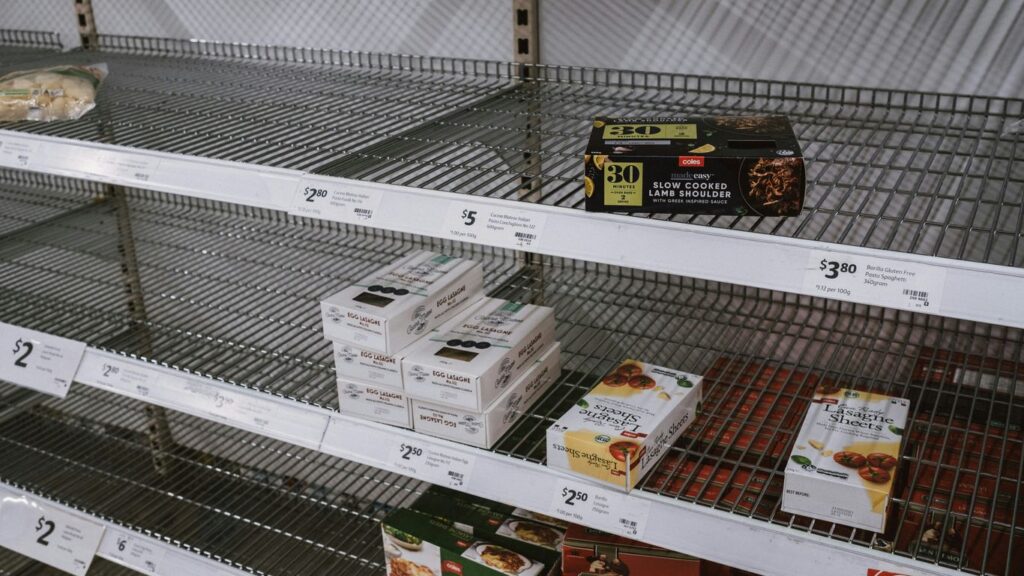
First off, getting the hen numbers back up is the big one. After the bird flu outbreaks meant culling millions of birds, it takes months to raise new layers to the point where they’re actually laying eggs. We’re looking at a slow rebuild of the flocks. Some farms are trying to get more birds on the ground, but it’s a process.
Then there’s the whole shift away from caged eggs. While it’s a good move for animal welfare, it means farms need to change their setups. This takes money and time, and during that transition, production can dip. It’s a bit of a balancing act for farmers trying to meet new standards while keeping eggs on the shelves.
Here’s a breakdown of what needs to happen:
- Repopulating Flocks: This is the most direct way to increase supply. It involves breeding and raising new generations of laying hens, which is a lengthy process.
- Biosecurity Upgrades: Farms need better measures to prevent future disease outbreaks. This means investing in infrastructure and practices to keep the birds safe.
- Infrastructure Adjustments: As farms move to barn-laid or free-range systems, they need to adapt their facilities. This can impact immediate production capacity.
- Supply Chain Support: Ensuring that the eggs produced can actually get to consumers efficiently is key. This involves looking at transport and distribution networks.
Some people are even looking at alternative ways to get eggs, like buying directly from farms or looking into in-ovo sexing technology to make the whole process more efficient down the line. It’s a tough time for everyone, but the industry is working on rebuilding. We might also see more imports considered as a short-term fix, like what’s being looked at for chicken supply. It’s all about getting more eggs available, one way or another.
Frequently Asked Questions
Are egg prices going up because of the shortage?
Definitely. When there aren’t enough eggs to go around and people still want them, prices tend to climb. We’ve seen egg prices increase quite a bit lately, making them a bit more expensive for shoppers.
Why do supermarkets have limits on how many eggs people can buy?
Supermarkets put limits on egg purchases, like ‘two cartons per customer’, to make sure that the limited number of eggs available are shared out as fairly as possible among all their shoppers. It helps prevent one person from buying up all the stock.
What can I do if I can’t find eggs?
You might need to get a bit creative! Some people are looking at smaller local farms or markets, or even considering getting a few chickens for their own backyard if they have the space. You could also try using egg substitutes in recipes or simply adjust your meals to use fewer eggs for a while.
Are eggs still a good value even though they’re more expensive?
Even with the price increases, eggs are still one of the most affordable ways to get good protein. Compared to other meats or seafood, eggs still offer a lot of nutrition for your money, making them a budget-friendly option for many families.
Where does Australia get its eggs from?
Australia gets almost all of its eggs from within Australia — it’s a largely self-sufficient egg market.