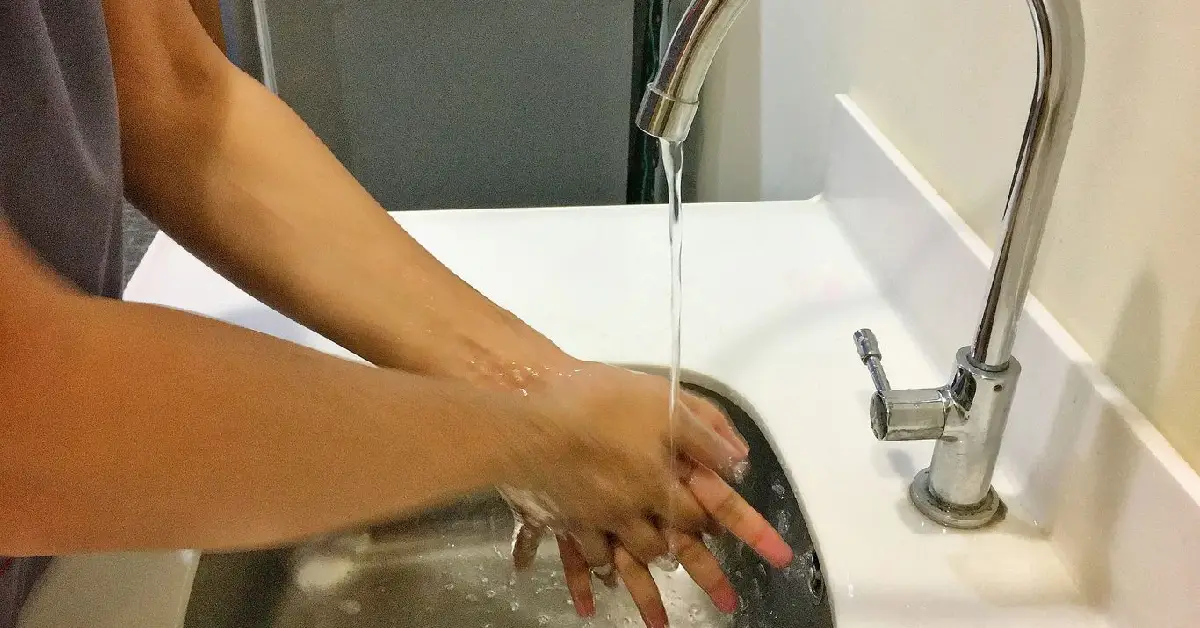
Ever gone to wash your hands only to realize the soap dispenser is empty? Before you panic, take a look at that bottle of body wash sitting in your shower. You might be wondering, Can You Use Body Wash as Hand Wash? The good news is – yes, you absolutely can. Both body wash and hand soap are made to do the same basic job: clean your skin. They contain ingredients called surfactants, which lift away dirt, oil, and germs so they can be rinsed off with water. So if you’re in a pinch, using body wash to wash your hands works perfectly fine — no stress needed.
When It’s a Good Idea
Look, we’ve all been there. You’re at a friend’s place, you wash your hands, and poof! No hand soap. In these moments, grabbing the nearest bottle of body wash is a perfectly sensible move. It’ll clean your hands just fine. It’s also a decent option if you’ve got particularly dry or sensitive skin on your hands and find regular hand soaps a bit too stripping. Body washes often have more moisturising ingredients, which can be a nice treat for your hands, especially if you’re washing them a lot.
When It’s Not Ideal
While it’s usually okay, there are times when swapping isn’t the best idea. Some hand soaps contain antibacterial ingredients, but research shows regular soap and proper handwashing are just as effective for everyday use. If you’re using one of those on your body regularly, especially on more sensitive areas, it could potentially cause some irritation or dryness. Also, if you’re dealing with a lot of heavy-duty grime on your hands – think gardening or working with grease – a dedicated hand cleaner might be more effective than your average body wash. It’s not that body wash won’t work, but it might take a bit more effort.
Generally, both products are designed for cleansing, but their specific formulations cater to different needs. Think of it like using a specialised tool versus a multi-purpose one – both can get the job done, but one might be a bit more suited for a particular task.
| Product Type | Primary Purpose | Typical Formulation Focus | Potential Hand Use Benefit | Potential Body Use Drawback |
| Body Wash | Cleansing and moisturising the body | Milder surfactants, added emollients/moisturisers | Gentle cleansing, added hydration | May not be as effective on heavy grime |
| Hand Soap | Cleansing hands, often with antibacterial properties | Stronger surfactants, potentially fewer moisturisers | Effective germ removal | Can be drying or irritating if used on the body regularly |
Can You Use Hand Wash as Body Wash?
So, you’ve found yourself staring at the hand soap dispenser, completely out of body wash. A common predicament, right? The big question is, can you use hand wash as body wash? The short answer is, generally, yes, you can. Both products are designed to clean your skin, removing dirt and germs. They both contain surfactants, which are the magic ingredients that lift away grime so water can wash it down the drain. Think of it as a backup plan for when your usual shower stuff is MIA.

Safe Situations
In a pinch, using your regular liquid hand soap or even a bar of hand soap as a body wash is usually fine. It’ll get you clean, and for an occasional swap, your skin will likely be okay. If you’re travelling and space is tight, or you’ve just forgotten to restock, reaching for the hand soap is a perfectly sensible option. It’s not going to cause any immediate harm, and it serves the primary purpose of cleansing. For those looking for affordable cleaning solutions, sometimes using what you have on hand is the most practical approach.
When to Avoid
However, it’s not always the ideal situation. Hand soaps, especially antibacterial ones, can sometimes be a bit harsher than body washes. This is because the skin on our hands is generally tougher and can handle more potent cleaning agents. Using a strong hand soap all over your body regularly might lead to dryness or irritation, particularly if you have sensitive skin. Body washes are typically formulated with more moisturising ingredients and are gentler for widespread use. While hand soap will clean you up, it might not leave your skin feeling as soft and pampered as a dedicated body wash would. For a more in-depth look at how these products differ, you might find it helpful to explore the differences between hand soap and shower gel.
While both hand soap and body wash aim to cleanse, their formulations can differ. Hand soaps might be more potent for germ-killing on hands, whereas body washes often include more emollients for overall skin softness and hydration. Occasional use of one for the other is usually fine, but for regular routines, sticking to products designed for their specific purpose is best for skin health and comfort.
So, while the answer to “can you use hand wash as body wash?” is yes, it’s worth considering the long-term effects on your skin, especially if you’re prone to dryness or irritation.
What’s the Difference Between Body Wash and Hand Wash?
Alright, so you’ve probably stood in front of the shower and wondered, “Can I just use this body wash as hand soap?” Or maybe the opposite happened, and you’re staring at your hand soap, thinking it’ll do the job for your whole body. It’s a fair question because, let’s be honest, they both make bubbles and smell nice, right? But there are actually some key differences in how they’re made and what they’re designed to do.
Think of hand soap as the specialist. Its main gig is to get rid of all the gunk, germs, and general nasties our hands pick up from touching everything all day. Because our hands are constantly exposed, hand soaps often have stronger cleaning agents, sometimes even antibacterial ones, to really tackle those microbes. They’re formulated to be effective at cutting through dirt and oils, but because we wash our hands so often, they might not have as many fancy moisturising ingredients. Some traditional bar soaps can be more alkaline, but most modern liquid hand soaps and body washes are pH-balanced for skin.
Body wash, on the other hand, is more like the all-rounder for your skin. It’s made to clean your entire body, and the focus is often on being a bit gentler and more nourishing. Body washes usually have milder surfactants – those are the things that create the lather – and they often pack in more moisturisers, like shea butter or special oils. This is because the skin on your body is generally a bit more sensitive and can dry out more easily, especially if you’re using hot water in the shower. They’re also usually closer to your skin’s natural pH level, which helps keep your skin barrier happy. So, while both are designed to clean, body wash is often a bit more about the pampering experience, leaving your skin feeling soft and hydrated.
The main takeaway is that hand soap is built to be tough on germs and dirt that hands encounter frequently, while body wash is formulated to cleanse the larger surface area of your body with a focus on hydration and gentleness.
So, while you can use body wash as a hand soap in a pinch, and hand soap as a body wash if you’re really stuck, they’re not quite interchangeable for everyday use if you want the best results for your skin. For instance, if you’re looking for ways to manage costs on household essentials, understanding these differences might help you decide if you really need separate products or if one can cover both bases for you, though it’s worth considering the potential impact on your skin. Options can sometimes feel complex, and so can choosing the right skincare products!
Health authorities such as the World Health Organization (WHO) confirm that proper handwashing with regular soap for at least 20 seconds is highly effective at removing most germs.
Do You Need Antibacterial Soap?
So, the big question: do you actually need those antibacterial soaps, or is regular soap good enough? Honestly, for most of us, most of the time, regular soap is perfectly fine. Public health authorities, including the CDC and WHO, state that regular soap and proper handwashing are effective for everyday use. The key thing is how you wash your hands – scrubbing with soap and water for a good amount of time is what really gets rid of germs.
Antibacterial soaps have specific ingredients designed to kill bacteria. Regular soap works because surfactants bind to oils and germs, allowing them to be rinsed away with water. That’s the fancy word for how fats and alkaline solutions mix to create soap in the first place. It’s this process that helps lift grime and microbes off your skin.
While some body washes might have ingredients that could be a bit much for your hands if used constantly, like strong surfactants, they’re generally formulated to be gentler overall than some harsher hand soaps. If you’ve got sensitive skin, you might find that a regular, non-antibacterial hand soap or a gentle body wash works best for you. It really comes down to what your skin likes and how well you wash.
The main goal is to physically remove germs and dirt. While antibacterial agents can help, proper washing technique with any kind of soap is the most effective way to keep your hands clean.
Which Is Better for Sensitive Skin?
When you’ve got skin that throws a bit of a tantrum with the wrong products, choosing between body wash and hand soap can feel like a minefield. Generally speaking, body washes are formulated with milder surfactants and more moisturisers. This is because the skin on your body is often a bit more delicate and prone to dryness than the skin on your hands, which are constantly being exposed to the elements and washed. So, if your skin is easily irritated, a good quality body wash might be your safer bet for your hands.

Hand soaps, on the other hand, sometimes pack a stronger punch with their cleaning agents. This is great for getting rid of all the gunk and germs that hands pick up, but it can sometimes strip the skin of its natural oils, leading to dryness or irritation for sensitive types. Some hand soaps also contain antibacterial ingredients that, while effective, can be a bit harsh.
For sensitive skin, it’s often about looking for products labelled ‘hypoallergenic’, ‘fragrance-free’, or ‘for sensitive skin’. These usually have fewer potential irritants. Always patch-test a new product on a small area of skin first to see how it reacts.
However, it’s not a hard and fast rule. Some hand washes are made with sensitive skin in mind, using gentle cleansers and added moisturisers. Likewise, some body washes might have ingredients that could still cause a reaction. It really comes down to the specific ingredients list. If you find a body wash you love that doesn’t dry out your hands, go for it! Conversely, if a specific hand wash works wonders without any drama, it’s probably fine for your hands. You might find that a gentle, fragrance-free hand wash is a good all-rounder for your hands, and you can always refer to hygiene and grooming guidance for more tips on making informed choices for your daily care.
Cost & Practicality — Should You Just Use One Product?
Look, we all want to save a few bucks and make life a bit simpler, right? When you’re standing there, staring at the sink, you might wonder if you really need a separate bottle of hand wash and body wash. Honestly, for most of us, the answer is probably no, you don’t need both. Think about it: your hands are part of your body, so a good body wash is generally going to do a decent job of cleaning your hands too. It might even feel a bit more luxurious with some of those fancy body washes. Plus, if you’re travelling or just trying to declutter your bathroom, consolidating to one product makes a lot of sense. You can often find body washes in larger, more economical sizes than hand washes, which can be a real win for your wallet over time.
However, there are times when sticking to separate products is a good idea. Hand washes are often formulated with stronger surfactants to tackle the grease and grime that hands pick up throughout the day. If you work with your hands a lot, or just want that extra bit of germ-fighting power, a dedicated hand wash might be your best bet. On the flip side, body washes usually have more moisturising ingredients because the skin on your body can be more sensitive and prone to dryness than the skin on your hands. Using a body wash as a hand wash every single day might not give your hands the same level of clean, especially if they’re really grubby. And if you have particularly sensitive skin on your hands, some body washes, especially those with lots of fragrance or harsh sulfates, could cause irritation. It really comes down to what your skin needs and what you’re using your hands for. For a quick rinse, body wash is usually fine, but for serious cleaning or if your hands get really dry, a specific hand wash is probably better. You can check out some great options for hand soaps that are designed for frequent use.
Ultimately, while you can often get away with using one product for both, having separate hand wash and body wash can offer tailored care for different parts of your skin. It’s a trade-off between convenience and potentially better results for specific needs.
Frequently Asked Questions
Can you use body wash as hand wash every day?
Yeah, you totally can use body wash as hand wash every day if you want to. Most body washes are pretty gentle, and they’re designed to clean your skin without stripping away all the natural oils. So, if you’ve run out of hand soap or just prefer the scent or feel of your body wash, go for it. Just keep an eye on your skin; if you notice it getting dry or irritated, maybe switch back to a dedicated hand soap or find a body wash that’s extra moisturising. It’s all about what your skin likes best.
Can you use hand wash as body wash in the shower?
Absolutely, you can use hand wash as body wash in the shower. Think of hand wash as a more basic cleanser. It’s designed to get rid of germs and grime effectively. While it might not lather up as luxuriously or have as many added moisturisers as a body wash, it will definitely get you clean. If you’re in a pinch or just want to simplify your shower routine, hand washing will do the job. Just be aware that some hand washes can be a bit more drying than body washes, especially if they have stronger cleaning agents. For a more pampering experience, a dedicated body wash is usually the go-to.
Is hand soap stronger than body wash?
Some hand soaps are formulated for heavy-duty cleaning, but overall strength depends on the specific product and ingredients. This is because hands often come into contact with more dirt and germs throughout the day, so hand soaps are formulated to be really effective at cleaning and removing bacteria. Body washes, on the other hand, are usually formulated with milder cleansing agents and more ingredients aimed at moisturising and softening the skin, as the skin on your body is often more sensitive and prone to dryness than the skin on your hands. It’s not a hard and fast rule, though, as formulations vary a lot between brands and product types.
Which is better for dry skin?
For dry skin, a good quality body wash is usually the better option. Body washes are typically packed with more moisturising ingredients like shea butter, various oils, and humectants. These help to replenish moisture while cleansing, leaving your skin feeling softer and less tight. Hand soaps, while effective at cleaning, can sometimes strip away natural oils, which can make dry skin feel even drier. If you have really dry skin, look for body washes specifically labelled as ‘hydrating’ or ‘for dry skin’.
Can I use body wash with bare hands?
Definitely! You can absolutely use body wash with bare hands. In fact, that’s how most people use it. Just squeeze a bit onto your palm, lather it up, and then apply it to your body. If you prefer a bit more exfoliation or a richer lather, you can always use a loofah, washcloth, or a shower puff. Using it with bare hands is perfectly fine and gets the job done just as well for everyday cleaning. It’s a simple and direct way to get clean without needing any extra tools.