You’ve probably seen them around, those unmarked cars or trailers with cameras, and wondered, ‘Do mobile speed cameras work in both directions NSW?’ It’s a question many drivers have, especially when you’re on a road, and you’re not sure if you’re going to get a ticket from the front or the back. Let’s clear up some of the confusion about how these cameras operate and what you need to know.
Do Mobile Speed Cameras Work in Both Directions NSW? Short Answer
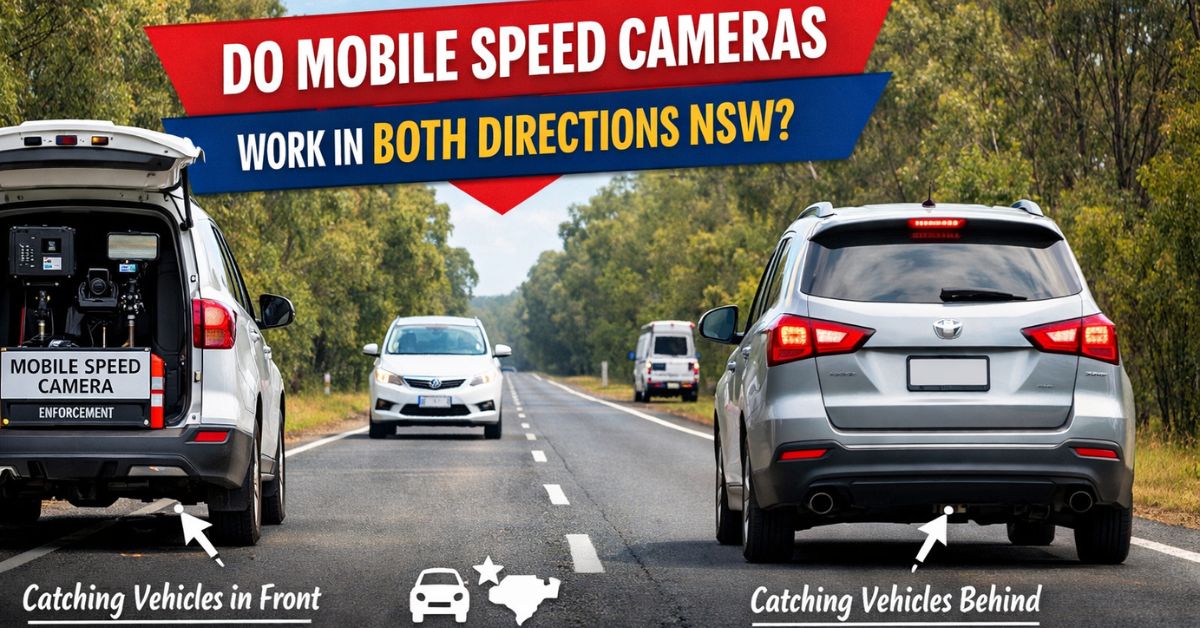
So, do mobile speed cameras work in both directions NSW? The short answer is generally no, not in the way you might think. While the technology exists for cameras to potentially capture vehicles from multiple angles, current regulations and operational practices in NSW mean that most mobile speed cameras are set up to detect speed in one direction only. This usually means they’re targeting the rear of your vehicle as you approach them.
It’s a bit of a common question, and honestly, it can be confusing. You see them tucked away, and you wonder if they’re watching everyone. But for the most part, you’re likely to be caught by a mobile speed camera in NSW if you’re speeding in the direction the camera is facing.
Here’s a quick rundown of what that means for drivers:
- Primary Direction: Most mobile speed cameras in NSW are set up to capture vehicles travelling towards them, usually photographing the rear of the car.
- Technology Limitations: While some advanced systems could theoretically detect speed from multiple directions, the current NSW setup focuses on a single lane and direction at a time.
- Operator Placement: The way the camera van or car is positioned is key. They’re typically set up to face oncoming traffic.
It’s important to remember that the rules and technology can change. Always drive within the speed limit to avoid any potential fines, regardless of camera direction.
So, while the idea of cameras catching you from any angle might seem a bit sci-fi, the reality in NSW for mobile speed cameras is usually more straightforward. They’re looking at the traffic coming towards them. This is why you’ll often see them placed strategically on the side of the road, facing the flow of traffic they intend to monitor. Understanding how mobile speed cameras operate in NSW can help you stay aware on the road.
How Mobile Speed Cameras Operate in NSW
Mobile speed cameras in NSW are pretty clever bits of kit, designed to catch drivers who are pushing it a bit too hard. They generally use radar or LIDAR technology to clock your speed. When the equipment inside the camera vehicle detects that your speed is over the limit, it takes a photo. This photo isn’t just a snapshot; it captures important details like the date, time, and location of the alleged offence, your speed, the speed limit at that spot, and even the lane you were in.
It’s worth noting that the technology is pretty advanced these days. Many cameras can operate without a visible flash, especially at night, using infrared instead. This means you might not even know you’ve been caught until that dreaded fine lands in your mailbox.
Here’s a quick rundown of what happens:
- Speed Detection: The camera uses radar or LIDAR to measure your vehicle’s speed.
- Comparison: This speed is compared against the posted speed limit for that road.
- Photo Capture: If you’re exceeding the limit, a digital image is taken.
- Data Recording: The image includes crucial details like time, date, location, speed, and lane.
While the technology is designed to be accurate, it’s always a good idea to keep an eye on your speedometer. The goal is to keep everyone safe on our roads, and these cameras are part of that effort.
Transport for NSW operators regularly check and certify these cameras to make sure they’re working correctly. They undergo rigorous testing and calibration, usually at least once a year, with further checks on the recording devices every 90 days. This ensures the data they collect is reliable.

Front-Facing vs Rear-Facing Mobile Speed Cameras in NSW
When you’re driving around NSW, you might wonder if those mobile speed cameras are watching you from every angle. It’s a fair question, especially when you see them tucked away. The main thing to know is that most mobile speed cameras in NSW are set up to catch vehicles travelling in one specific direction. This means they’re either front-facing or rear-facing, but not usually both at the same time.
Think of it like this:
- Front-Facing Cameras: These are pointed towards oncoming traffic. If you’re driving towards the camera car, it can potentially clock your speed. They’re designed to capture the front of your vehicle and your number plate.
- Rear-Facing Cameras: These are pointed away from the camera car, towards traffic that has already passed it. If you’ve just driven past the camera, and it’s rear-facing, it can catch your speed and your rear number plate.
The technology used means that a single mobile speed camera unit typically operates in one direction only. This is a key difference compared to some fixed speed cameras, which can sometimes monitor both directions of traffic simultaneously.
It’s worth noting that while the camera itself might only be set up for one direction, the vehicle it’s housed in could be positioned in a way that seems to cover a wider area. However, the actual speed detection and image capture are usually limited to the direction the camera is aimed.
The way these cameras are set up means you need to be aware of your speed in the direction you’re travelling. Just because you’ve passed the camera doesn’t mean you’re in the clear if it’s a rear-facing unit, and if it’s front-facing, you need to be mindful as you approach.
So, while they might seem like they’re everywhere, the actual detection zone for a mobile speed camera is quite specific to its orientation. Always keep an eye on your speed, no matter which way you’re heading.

Can Mobile Speed Cameras Detect Oncoming and Receding Vehicles?
It’s a question many drivers ponder when they see one of those unmarked cars parked up: can the camera catch you coming and going? The short answer is, it depends on the road.
On multi-lane roads, the technology used in NSW mobile speed cameras is generally capable of monitoring traffic in both directions simultaneously. This means whether you’re approaching the camera or moving away from it, you could be detected if you’re speeding. Think of it like a wide net being cast across the road.
However, on single-lane roads, the camera typically only targets one direction of travel. This is usually the direction the camera is facing, meaning it’s often capturing vehicles as they approach.
Here’s a quick breakdown:
- Multi-lane roads: Cameras can often detect vehicles in both oncoming and receding lanes.
- Single-lane roads: Detection is usually limited to one direction, typically the direction the camera is facing.
- Technology: Modern cameras use advanced laser or LIDAR technology, which can scan multiple lanes from a significant distance, sometimes hundreds of metres away.
It’s worth remembering that these cameras are designed to be discreet. Some use infra-red flashes that you won’t see, even at night, so you might not even know you’ve been caught until the fine arrives in the mail. This stealthy approach is a key part of their strategy, aiming to encourage drivers to be cautious everywhere, not just where they expect to see a camera. If you’re concerned about potential fines, keeping an eye on mobile phone detection cameras is also a good idea, as these are another type of enforcement you might encounter.
The effectiveness of mobile speed cameras in capturing both directions is a technical capability that varies based on road layout. While they can cover multiple lanes on wider roads, their reach is more restricted on narrower, single-lane routes. The primary goal is to enforce speed limits across various road types.
Signage and Warning Rules for Mobile Speed Cameras in NSW
Okay, so you’re driving along, minding your own business, and you see one of those mobile speed camera vans. It makes you wonder, do they have to tell you they’re there? In NSW, the rules around signage for mobile speed cameras are a bit of a mixed bag, and it’s definitely something worth knowing.
Generally, there’s a requirement for warning signs to be placed on the approach to mobile speed camera locations. These signs are meant to give you a heads-up that a camera might be in operation. Think of them as a courtesy, a little nudge to check your speed.
Here’s the breakdown of what you might see:
- Advance Warning Signs: You should typically see at least two portable warning signs placed before the camera site. These signs usually have graphics indicating a speed camera is ahead.
- Visibility: While the intention is for these signs to be noticeable, their size and placement can sometimes vary. Some drivers have noted they seem to have gotten smaller over time, or are placed in ways that might not be immediately obvious, especially on busy roads or in certain weather conditions.
- No Legal Obligation for All Signs: It’s important to note that while signs are policy, they aren’t always a strict legal requirement for every mobile speed camera deployment. This means you can’t automatically assume a ticket is invalid just because you didn’t see a sign.
The presence or absence of a warning sign doesn’t change the fact that the speed limit is the speed limit. Drivers are expected to be aware of the posted speed limits at all times, regardless of whether a camera is visible or a warning sign is present.
It’s also worth remembering that the mobile speed camera vehicles themselves are usually quite distinctive. They often have clear markings and graphics, making them stand out from regular traffic. So, keep an eye out not just for the signs, but for the vehicle too. Being aware of these signs and the general presence of mobile speed cameras in this area can help you stay on the right side of the law and avoid an unwelcome fine.
Day vs Night Detection: Do Mobile Speed Cameras Work Both Ways NSW?
You might be wondering if those mobile speed cameras are just as effective when it’s dark out, or if they suddenly become one-way streets for catching speeders. The good news is, they’re designed to work around the clock.
Mobile speed cameras in NSW use advanced technology that allows them to detect speeding vehicles regardless of the time of day. This means whether you’re driving at noon or midnight, the camera is still on duty.
Here’s a bit more on how they manage it:
- Infrared Technology: Many modern mobile cameras use infrared (IR) flashes instead of the bright, visible flashes of older models. This IR light is invisible to the human eye, so you won’t see it, even at night. It still illuminates the car enough for the camera to capture a clear image of the number plate and the driver.
- No Flash Doesn’t Mean No Detection: Even if you don’t see a flash, it doesn’t mean you haven’t been caught. The technology is sophisticated enough to record your speed and take a photo without a visible flash, especially during the day or in well-lit areas.
- Consistent Operation: The goal is consistent enforcement. The cameras are calibrated and tested to ensure they accurately measure speed and capture images in various lighting conditions, from bright sunshine to complete darkness.
So, while you might not always see the camera working, especially at night, it’s definitely still operational and capable of detecting speeding vehicles in both directions, just like during the day.
It’s a common misconception that speed cameras rely on a visible flash to work. While older models did, newer technology, particularly infrared, means detection can happen without you ever knowing until the fine arrives in the mail.
Types of Mobile Speed Cameras Used Across NSW
You might be wondering what kind of gear the authorities are using when they set up those mobile speed cameras around NSW. It’s not just one type of gadget, you know. They’ve got a few different systems they deploy, and they’re all designed to catch speeders.
Generally, you’ll see them in a few main forms:
- Dedicated Camera Vehicles: These are often standard-looking cars or vans, but with some special equipment inside. Think tinted windows so you can’t see what’s going on, and the camera unit itself is usually mounted discreetly. They can be parked up on the side of the road, sometimes a bit tucked away.
- Trailer-Mounted Cameras: Less common these days, but you might still come across them. These are basically a camera unit on a small trailer that can be towed and set up in a specific spot.
- Handheld Devices: While less frequent for general mobile speed enforcement, police officers can also use handheld speed detection devices. These are typically used for more targeted enforcement or in specific situations.
The technology inside these cameras is pretty advanced. They use radar or a laser to measure your speed. Modern ones are often equipped with infrared technology, meaning they can capture images at night without a visible flash, so you might not even know you’ve been caught until the fine shows up.
It’s worth remembering that the specific models and how they’re deployed can change, but the goal is always the same: to monitor vehicle speeds and enforce the limits. They’re tested regularly to make sure they’re accurate, so there’s not much room for argument on that front if you do get pinged.

Penalties and Fines If Caught by a Mobile Speed Camera in NSW
Getting pinged by a mobile speed camera in NSW means you’re looking at more than just a slap on the wrist. The penalties are pretty straightforward, but they can add up fast, especially if you’re really pushing it.
The main things that decide how much you’ll pay and how many demerit points you get are how much you were over the speed limit and if you were in a school zone. It’s not just about the fine, either; those demerit points can really mess with your licence.
Here’s a general idea of what you might be facing:
- Speeding Fines: These vary depending on how many kilometres per hour over the limit you were travelling. The further over you go, the bigger the fine.
- Demerit Points: Each speeding offence comes with a set number of demerit points. Accumulate too many, and you’ll be looking at a licence suspension.
- Licence Suspension: If you’re caught travelling significantly over the speed limit – think 30km/h or more over – you could face an immediate suspension of your licence for a few months. Go even faster, and that suspension period gets longer.
It’s worth remembering that during double demerit periods, like long weekends or holidays, those penalties get doubled. So, a simple speeding ticket can suddenly become a much bigger problem.
While the technology is designed to be accurate, if you genuinely believe you weren’t speeding, there are review processes you can go through. It’s not always a done deal once the photo is taken. You can request a review through Revenue NSW, or if you’re really set on it, you can take it to court, but that’s a whole other ballgame.
Don’t forget about school zones, too. Fines and demerit points are often higher in these areas to protect kids. So, always keep an eye on those signs and stick to the reduced limits when they’re active.
Common Myths About Do Mobile Speed Cameras Work in Both Directions NSW
There are a fair few whispers and theories going around about how those mobile speed cameras in NSW actually work, especially when it comes to direction. Let’s clear up some of the common myths you might have heard.
One big one is that they can catch you no matter which way you’re going. While the technology could potentially do this, the current setup in NSW means they’re generally set up to clock speeds in one direction only. This usually means they’re pointing towards the rear of your vehicle as you pass, or sometimes the front as you approach. It’s not like they’ve got eyes in the back of their heads for every car on the road simultaneously.
Another myth is that they always use a visible flash, like the old-school cameras. These days, many mobile units use infrared flashes, especially at night. This means you won’t see a bright flash, and you might not even know you’ve been caught until that dreaded envelope arrives in the mail. It’s all about being discreet, apparently.
Here’s a quick rundown of some common beliefs versus reality:
- Myth: Cameras can catch cars in both directions at once.
- Reality: NSW mobile cameras are typically set to monitor one direction of travel at a time.
- Myth: You’ll always see a flash if you’re caught.
- Reality: Many use infra-red or no flash at all, making them harder to detect.
- Myth: They’re always hidden behind trees and bushes.
- Reality: While they can be discreet, they are also often placed in clearly visible locations, and warning signs are usually required.
It’s worth remembering that the primary goal of these cameras is to enforce speed limits and improve road safety. While the methods might seem sneaky sometimes, the intention is to deter speeding across the board.
Some people think they can tell if a camera is working by looking at it, but that’s not always the case. The vehicles they use can look like regular SUVs, often with tinted windows, so you can’t always see what’s happening inside. Plus, the detection technology itself is pretty advanced, meaning they can often get a reading without you even noticing.
Ever wondered if those mobile speed cameras in NSW catch you from both directions? It’s a common question, and understanding how they work can save you a fine. Don’t get caught out by outdated info! For the latest details and to clear up any confusion, head over to our website.
Frequently Asked Questions
How do mobile speed cameras work in NSW?
Mobile speed cameras use special equipment, like radar or LIDAR, to measure how fast a car is going. If the car is going faster than the speed limit, the camera takes a photo. This photo includes details like the car’s speed, the time, date, and where it happened.
Are mobile speed cameras always visible in NSW?
Not always. While there are rules about putting up warning signs before a fixed camera, mobile cameras can be harder to spot. They are often hidden in plain-looking cars, sometimes behind trees or other things by the side of the road. Some use infra-red flashes at night, so you might not even see them.
What happens if I’m caught by a mobile speed camera in NSW?
If you’re caught speeding by a mobile camera in NSW, you’ll get a fine and lose demerit points. If you go too fast, like more than 30km/h over the limit, you could even have your licence suspended for a period.
Do mobile speed cameras use a flash?
Some do, especially older models or at night. However, many newer mobile speed cameras use infrared flashes. This means they can still take a clear photo without a bright flash that drivers would notice, making it even harder to know if you’ve been caught.
Where are mobile speed cameras used in NSW?
Mobile speed cameras can be used in many different places across NSW. Transport for NSW chooses locations based on crash data and speeding issues. They are also planning to increase the number of locations where these cameras can be used.
Can I dispute a speeding fine from a mobile camera in NSW?
Yes, you can. You can request a review of the fine through Revenue New South Wales. If that doesn’t work, you can also take the matter to court. You might be able to argue that you weren’t speeding or that there were special circumstances.
Are mobile speed cameras just for making money?
That’s a common question. While the fines do bring money to the government, the official reason for using speed cameras is to improve road safety and reduce accidents. They are placed in areas where speeding is a problem and has led to crashes.